
Haze Crisis: Has Southeast Asia Learned Its Lesson?
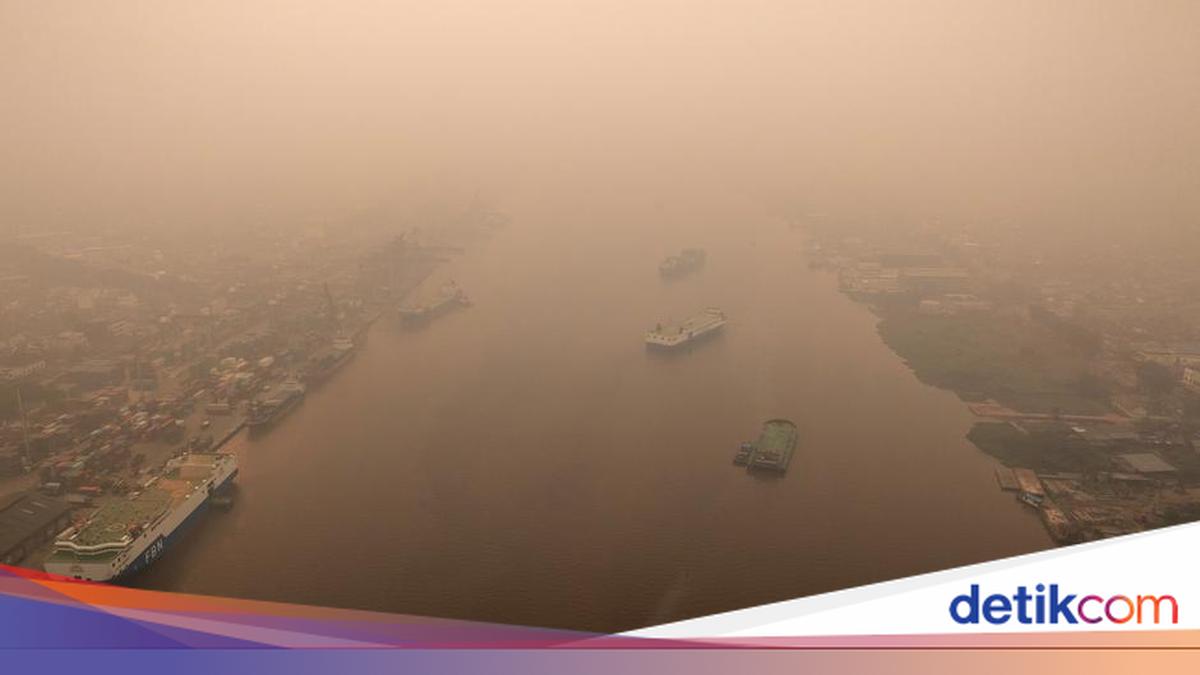
The worst forest fire season in Indonesia in more than a decade demonstrates how much Southeast Asian efforts to handle haze have evolved, while simultaneously highlighting various issues that have remained unresolved since 2015.
Forest and land fires have persisted for weeks across several regions in Sumatra, Kalimantan, and Papua. The resulting smoke has enveloped much of Indonesia and reached neighbouring countries, Malaysia and Singapore.
A prolonged dry season in Indonesia in 202 and this year’s El Niño phenomenon have exacerbated the crisis, which recurs almost every year. Millions of people are exposed to hazardous smoke containing microscopic particles that are detrimental to health.
According to the Indonesian Ministry of Health, more than 170,000 cases of acute respiratory infections were recorded in haze-affected areas between August and mid-September, with over 40,000 of these cases involving children. The haze also forced the closure of hundreds of schools in Malaysia and required more than 1.4 million Indonesian students to undergo remote learning. However, the total economic loss resulting from this crisis remains unknown.
Is severe haze likely to become more frequent? Extreme weather this year is only one cause. Burning has long been used as a cheap method to clear agricultural land in Southeast Asia. Meanwhile, the expansion of palm oil and pulpwood plantations has caused much peatland to dry out and suffer damage.
This year’s crisis serves as a reminder of the 2015 haze disaster. Fires that year scorched approximately 2.6 million hectares, causing severe haze for months across Southeast Asia and resulting in economic losses of around US$16 billion (approximately Rp280 trillion) for Indonesia, according to the World Bank.
The risk of increasingly frequent severe haze is rising as climate conditions worsen, said Paruedee Nguitragool, an associate professor at Chiang Mai University, Thailand, to DW. “Haze, which was previously primarily a problem in maritime Southeast Asia, including Indonesia, Malaysia, and Singapore, is now a concern for most countries in the region,” she added.
Governments of ASEAN member states
Source: jawawa.id (https://jawawa.id/newsitem/haze-crisis-has-southeast-asia-learned-its-lesson-1791374396)
Originally published by detikcom (https://news.detik.com/dw/d-8696827/krisis-kabut-asap-sudahkah-asia-tenggara-belajar), translated from Indonesian