
Hashim Warns MSCI Downgrade Could Dry Up Foreign Funds
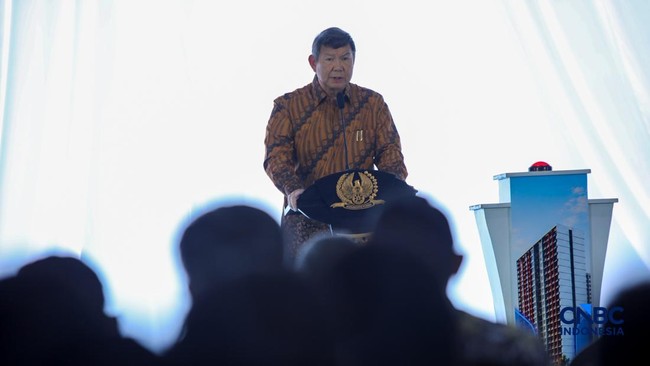
Jakarta, CNBC Indonesia — Hashim Sujono Djojohadikusumo, chairman of the Indonesian Chamber of Commerce and Industry (Kadin) Advisory Board, has highlighted MSCI’s assessment that Indonesia’s stock exchange could be downgraded from emerging-market to standalone-market status.
“If we do not mitigate the MSCI issue, the sources of funding for our capital market will eventually become increasingly scarce,” he said at the opening of Kadin’s 2026 National Leadership Meeting in Jakarta on Thursday (29 October 2026).
He said Indonesia was facing a major problem, with foreign investors seemingly losing confidence. If Indonesia’s status were downgraded to standalone market, he said, substantial funds would be forced to leave. He called for the issue to be addressed before it spiralled out of control.
“Many will eventually be forced to exit if we are downgraded to standalone-market status,” he added.
Hashim said one issue highlighted by MSCI was the apparent presence of unhealthy practices in Indonesia’s share market, including the manipulation of share prices. Although he did not identify any parties or specific shares, he said the issue had attracted the attention of foreign investors.
“This is what MSCI and foreign players are highlighting, scrutinising and questioning: when the free float is reduced, the price-to-earnings ratio becomes outrageous. It makes no sense. This is what they are questioning,” he said.
Hashim warned that foreign investment leaving the share market could weaken the rupiah. He estimated the currency could fall to Rp20,000–Rp21,000, while some people had suggested it could reach Rp22,000. Such a situation would make foreign borrowing more expensive and, he said, could become a disaster with highly negative political consequences.
“This is an extremely serious problem. If foreign investment leaves our listed companies, the rupiah could weaken further,” he concluded.