
Hashim: Indonesia Preparing Ambitious Nuclear Programme
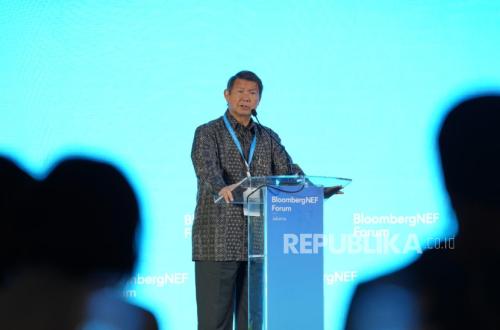
The Special Envoy for Climate and Energy, Hashim Djojohadikusumo, has revealed that the Indonesian government is preparing an ambitious nuclear programme as one of the pillars of national energy security. The government has even included a target nuclear power plant capacity of 7 gigawatts (GW) in the energy master plan.
Hashim stated that the nuclear programme is part of Indonesia’s sustainable energy agenda currently being prepared by the government. The development of nuclear energy will run alongside several other energy sources, such as solar, geothermal, and hydroelectric power.
“Another important pillar of our energy programme is nuclear. The Indonesian government will launch a very ambitious nuclear programme,” said the younger brother of President Prabowo Subianto at the International Indonesia Sustainability forum in Jakarta on Tuesday (6/10/2026).
Hashim mentioned that the information regarding the nuclear capacity target was obtained from the President Director of PLN, Darmawan Prasodjo. According to him, the 7 GW nuclear power target has been included in Indonesia’s energy master plan.
“The latest information I heard from Mr Darmawan, if I am not mistaken, is that the 7 gigawatt target has entered our energy master plan,” he said.
In addition to nuclear energy, Hashim stated that the government is preparing an installed solar capacity of 100 GW as part of its green energy strategy. Indonesia also possesses significant potential for other sustainable energy sources, including abundant geothermal, water, and solar resources.
The development of these energy sources is linked to Indonesia’s efforts to build energy resilience. The government intends to gradually reduce dependence on fossil fuels while ensuring that the public’s electricity needs are met.
According to Hashim, Indonesia does not wish to halt the coal industry abruptly because electricity remains essential for the community, including for home lighting, children’s education, and the needs of hospitals and clinics in rural areas.
Hashim also highlighted Indonesia’s vulnerability to global geopolitical conditions. He noted that the war in the Middle East increasingly demonstrates the risks of relying on energy sources from abroad, prompting the government to continue promoting the development of biofuels.
“All of this is part of the programme, including biofuels, which are receiving extra urgency due to the ongoing war in the Middle East,” Hashim explained.
He emphasised that Indonesia’s sustainable energy programme does not rely on a single energy source. The government is preparing a combination of solar, nuclear, geothermal, hydro, and biofuel to strengthen energy security while simultaneously meeting national electricity demands.