
Hashim: Indonesia developing biofuel to counter geopolitical instability
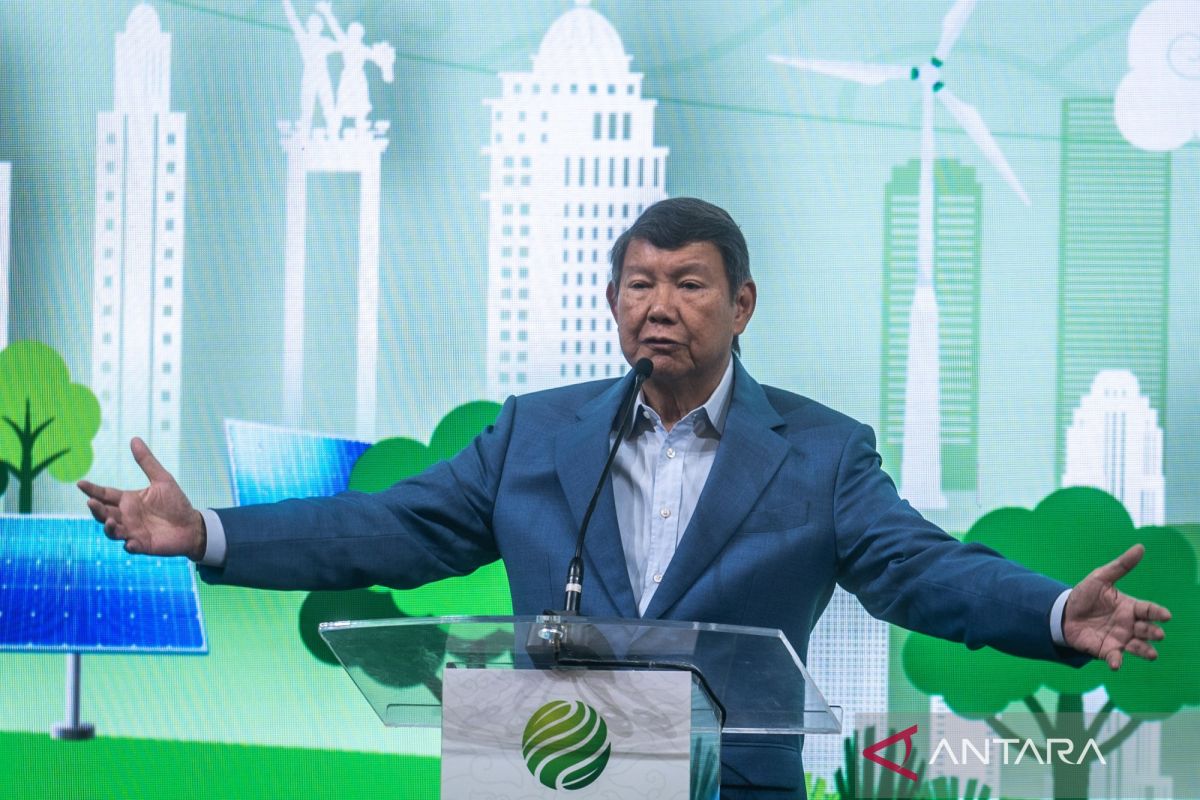
Jakarta (ANTARA) - The Presidential Special Envoy for Climate and Energy, Hashim Djojohadikusumo, has stated that Indonesia is developing biofuels to navigate ongoing geopolitical instability.
“The development of these programmes, including biofuels, is gaining momentum due to the conflicts currently occurring in the Middle East,” Hashim said during the Indonesia International Sustainability Forum held in Jakarta on Tuesday.
Hashim highlighted the fragility of energy supply chains caused by a heavy dependence on imports from Middle Eastern nations. He noted that this reliance on energy imports from the Middle East also creates economic vulnerabilities for Indonesia.
“We all realise how vulnerable a nation’s economy becomes when it is too dependent on foreign energy sources, especially from regions with unstable political situations,” Hashim remarked.
Based on this awareness, Hashim emphasised that Indonesia will continue to develop biofuels, including both B50 biodiesel and E20 bioethanol. “The government will continue to pursue biofuel programmes,” he added.
Currently, Indonesia is the first country to implement B50 biodiesel on a national scale. The Ministry of Energy and Mineral Resources (ESDM) aims for the distribution of B50 across all gas stations (SPBU) to reach 100 per cent by October 2026.
Following the success of B50, the government is encouraging the implementation of E20 bioethanol to strengthen national energy independence. The government plans to implement a 20 per cent ethanol blend, or E20, in fuel by 2029 as part of its efforts to bolster national energy resilience.
Nevertheless, the Ministry of Energy and Mineral Resources stated that the realisation of the E20 mandate depends heavily on the readiness of raw material supplies. In a scenario where E20 is used for non-PSO (Public Service Obligation) sectors, the bioethanol supply requirement is estimated to necessitate approximately 20 factories, each with a minimum capacity of 40,000 kilolitres per year.