
Hashim: Fossil Fuel and Renewable Energy Development Must Complement Each Other
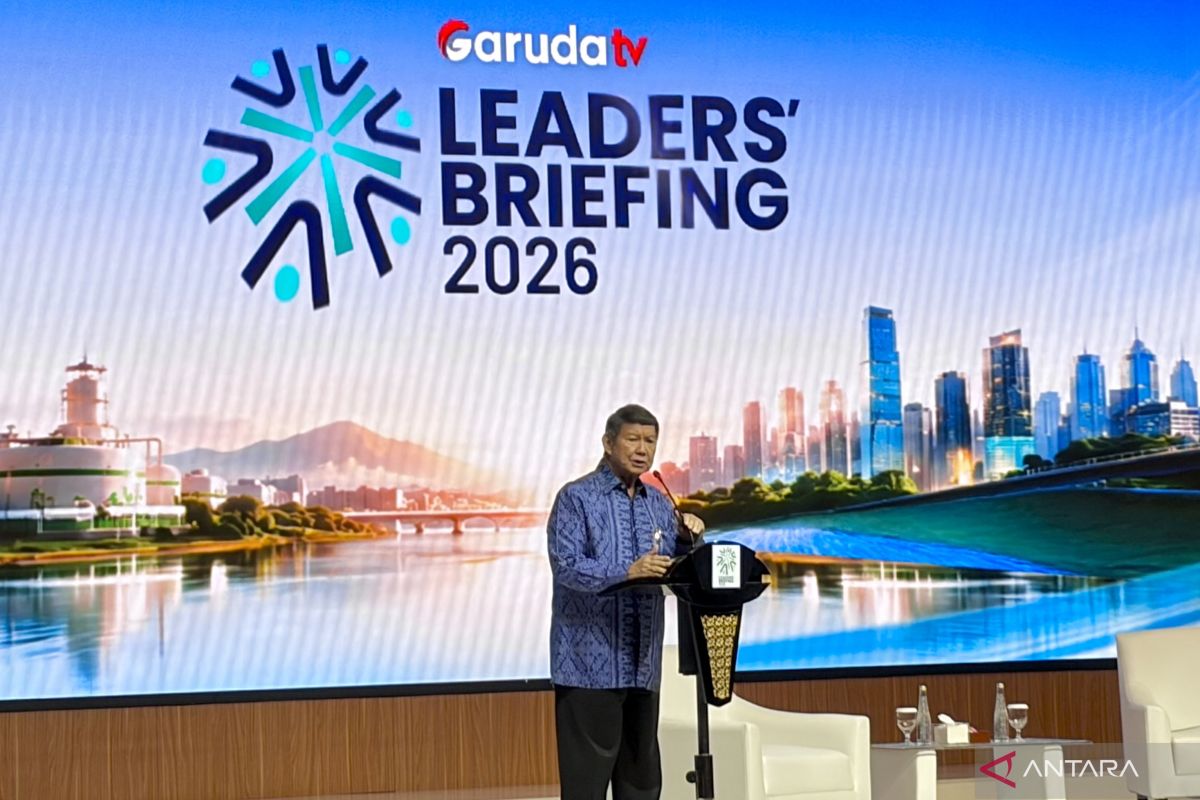
Jakarta (ANTARA) - Presidential Special Envoy for Energy and Climate Hashim Djojohadikusumo has assessed that the development of conventional energy production, such as fossil fuels, must continue and complement the development of new and renewable energy (EBT).
“I think both of them (conventional energy and EBT development) are still very much needed. We cannot be too complacent, too satisfied with what is happening; we must pursue both,” said Hashim at the 2026 Leaders Briefing event in Jakarta on Thursday.
He acknowledged that conventional energy derived from coal is indeed slowly fading or entering its sunset period. However, he estimated that the energy source would remain viable for exploration for another 20-30 years.
“Keep exploring, because I think energy from fossil fuels will still last a long time. It is a sunset, but perhaps for another 20-30 years,” he said.
Furthermore, Hashim said these efforts are still very much needed, given the vision of national energy resilience as well as global geopolitical dynamics that have made world oil prices increasingly volatile.
“We have already seen the consequences of the war between Israel, America and Iran, and how vulnerable the supply chain is, I think, around the world,” he said.
Nevertheless, he assured that the government is strongly encouraging EBT development through various alternative energy sources, such as solar and geothermal energy, which are abundant in Indonesia.
The development of solar power plants (PLTS), for example, has been included in PT PLN (Persero)’s Electricity Supply Business Plan (RUPTL) through to 2034, with a target of 17.1 gigawatts (GW).
This step aligns with President Prabowo Subianto’s directive to increase solar power capacity to 100 GW.
The construction of 100 GW-capacity PLTS is a strategic government step to reduce dependence on fossil fuels while supporting the ambitious target of 100 per cent renewable electricity within the next 10 years.
“I think for new energy, the government has already decided to add more PLTS and so on. But we also have to explore and produce,” said Hashim.