
Hashim: Carbon trading a crucial breakthrough for climate and green economy
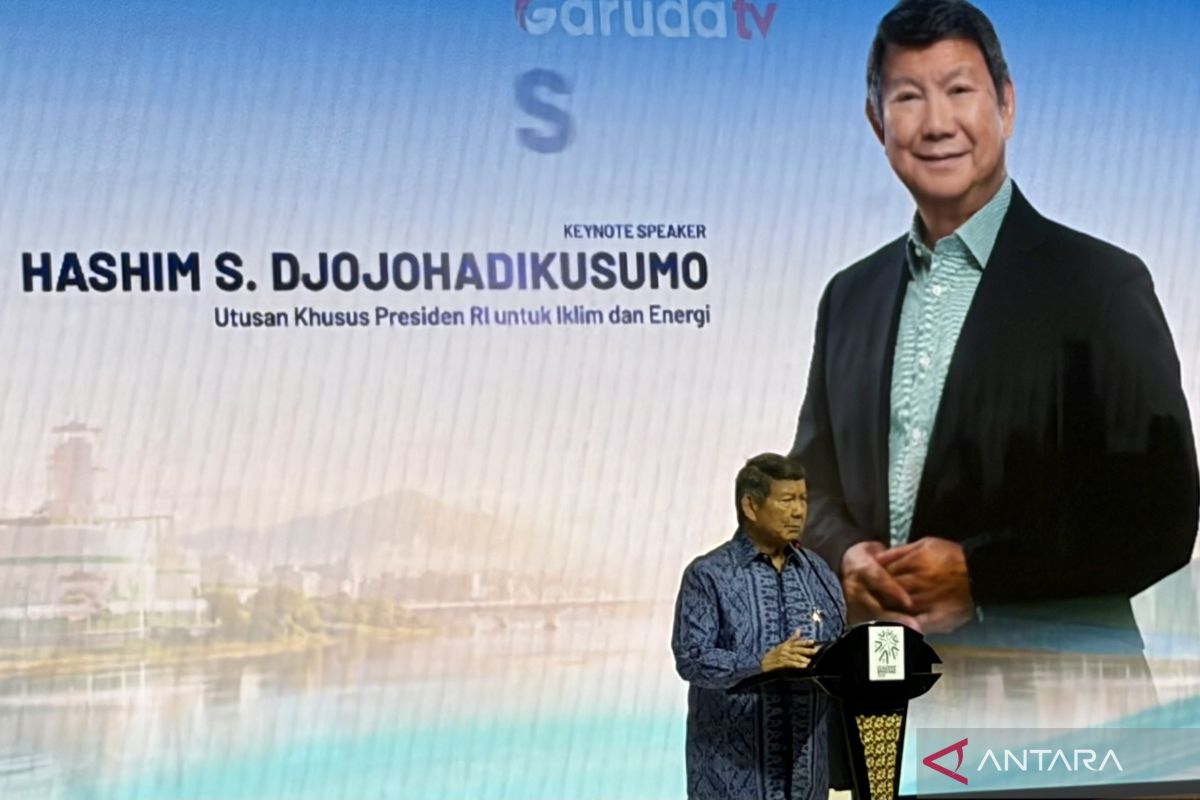
The Special Envoy of the President for Energy and Climate, Hashim Djojohadikusumo, has assessed that a credible carbon trading ecosystem in Indonesia represents a significant breakthrough in tackling climate issues whilst advancing the green economy. “This is a breakthrough, one that I have personally experienced and witnessed,” Hashim said in Jakarta on Thursday. He noted that national carbon trading is now supported by several strategic instruments, including the Carbon Unit Registration System (SRUK) and the Forestry Minister’s Approval regarding the issuance of carbon units through the Non-Greenhouse Gas Emission Reduction Certificate (Non SPE-GRK) scheme. According to Hashim, the regulatory and infrastructural readiness of the SRUK is an operational achievement that the international community has been anticipating since the agreement at the COP 21 climate conference in Paris a decade ago, in order to realise an accountable carbon trading ecosystem. “This is what has been awaited for 11 years since the birth of the Paris Agreement in 2015,” he said. He explained that this success was born from collaboration among various ministries, agencies, and stakeholders working within a single ecosystem. He added that the carbon trading programme is one of the government’s fastest-implemented policies and has been appreciated by various countries. “All parties, all actors, praise what our government has produced. I bring good news today, that we can now enter a new chapter of carbon trading,” he stated. Hashim further assessed that the implementation of a transparent and credible carbon trading ecosystem is expected to support other national energy resilience programmes, such as increasing solar power plant (PLTS) capacity to 100 GW. The development of 100 GW of solar power capacity is a strategic government step to reduce dependence on fossil fuels while supporting the ambitious target of 100 percent electricity from renewable energy within the next ten years. “I believe with this, we can enjoy the programmes that have been mentioned, such as the PLTS which will soon commence towards 100 GW, and will be followed by other programmes,” Hashim said.