
Harvests More Abundant, Pupuk Indonesia Doubles Rice Productivity in Dairi
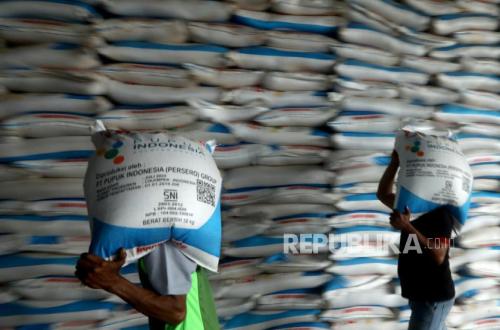
PT Pupuk Indonesia (Persero) has succeeded in increasing rice productivity in Lumban Toruan Village, Lae Parira District, Dairi Regency, North Sumatra, to 12.3 tonnes per hectare, or double the previous productivity of 6 tonnes per hectare. The productivity increase occurred on a Pupuk Indonesia demonstration plot in collaboration with the local government through the Dairi Regency Agriculture, Food Security, and Fisheries Office (DKPPP).
“The success of this demonstration plot is expected to restore farmers’ confidence to return to cultivating their fields after previously experiencing a slump due to a drastic decline in harvest yields,” said Hendra Sagita, Assistant Officer for Regional 1 Sales Support at Pupuk Indonesia.
Hendra said the rice productivity of 12.3 tonnes per hectare was obtained through transparent measurement by taking crop-cut samples jointly conducted by Pupuk Indonesia, agricultural extension officers, and local farmers, so that the harvest results could be determined objectively. He explained that the productivity increase was inseparable from proper land preparation, measured or balanced fertilisation patterns, and intensive assistance provided by Pupuk Indonesia throughout the planting season.
“The success of the demonstration plot is expected to be a trigger for farmers in Dairi Regency to optimise their rice fields. With increased productivity and the application of proper cultivation practices, efforts to restore Dairi as one of the food barns in North Sumatra are expected to be realised gradually,” said Hendra.
The success in increasing rice productivity received appreciation from the Head of the DKPP Division of Dairi Regency, Sukaedah Angkat. According to her, the demonstration plot achievement shows that proper land management and fertilisation can significantly increase productivity.
In addition, she said that improving soil condition is one of the important factors before farmers enter the planting season. Therefore, she encouraged farmers to use organic fertiliser and agricultural lime. “This step is important to improve soil pH so that nutrient absorption runs optimally. With the application of this method, we are optimistic that we can support sustainable food self-sufficiency,” said Sukaedah.