
Harita Nickel Builds Bridge and Pier to Boost Connectivity on Obi Island
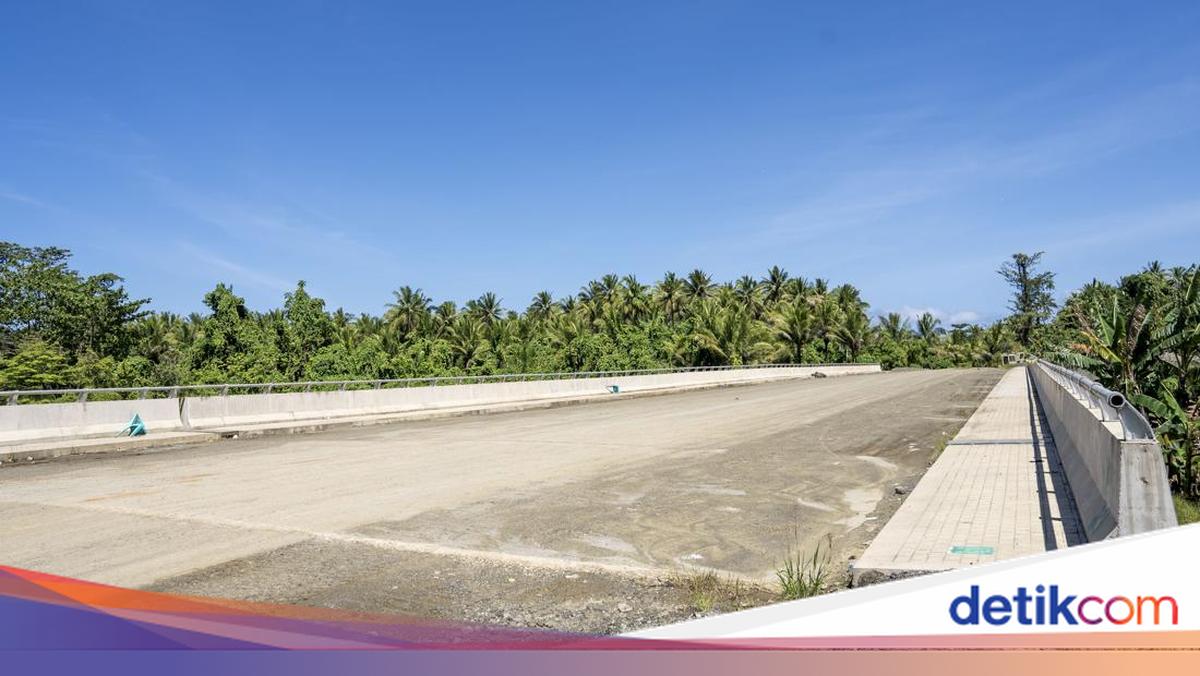
Improved connectivity is key to expanding public access to services and economic opportunities. On Obi Island, South Halmahera Regency, North Maluku, the construction of the Akelamo Bridge and Panji Baru Pier has facilitated community mobility, broadened access to basic services, and supported local economic activity. Executive Vice President External Relations of Harita Nickel, Latif Supriadi, stated that sustainable economic growth can be achieved when communities have better access to development opportunities. He noted that strengthening connectivity remains a priority pursued together with the government and local residents to support inclusive and sustainable development. In addition to the Akelamo Bridge, connectivity has been enhanced through the construction of the Panji Baru Pier in Kawasi, which has become an important transport hub for the community. The pier, stretching over 200 metres, serves resident mobility and goods distribution to several areas in North Maluku, including Laiwui, Labuha, and Ternate. Latif explained that infrastructure development is part of a long-term effort to ensure communities around the operational area have better access to various development opportunities. He said infrastructure connects opportunities, and when access improves, people can more easily reach education, healthcare, markets, and other economic activities, ultimately contributing to improved welfare. This effort aligns with President Prabowo Subianto’s development agenda, which positions infrastructure as an instrument to strengthen economic growth and promote equitable development across regions. On Obi Island, the benefits are already being felt. Infrastructure that was once a basic need has evolved into a foundation for increased mobility, economic activity, and quality of life for residents of the island region. Connectivity remains a major development challenge in many of Indonesia’s island regions. For years, access to public service centres was a critical factor affecting the social and economic activities of the Obi Island community. According to Soligi Village Head Madaisi La Siriali, residents previously had to adjust to currents and weather when crossing. The Akelamo River, the largest and longest river on Obi Island, was a major barrier separating land access between Soligi and Kawasi villages. Before the bridge, residents used a pontoon to cross, making daily activities heavily dependent on weather and river conditions. Madaisi noted that this often hindered mobility, including access to healthcare, education, and economic activities. Now, access is safer, faster, and more efficient, greatly facilitating residents’ ability to reach health and education services. The change has been felt since the Akelamo Bridge became operational in early 2025. The infrastructure connecting Kawasi and Soligi has not only cut travel time but also opened broader access for social and economic activities. Improved access supports the distribution of agricultural and fishery products, which are the main livelihoods of coastal communities on Obi Island. Mobility that was previously constrained is now smoother, enabling more dynamic economic interaction between areas. Kawasi Village Head Arifin Saroa said that residents can now better organise joint trading activities, with women from Soligi and Kawasi able to cooperate because land access is now open.