
Haris Rusly: Social Movements Opposing State Budget Allocation for the People Are an Anomaly
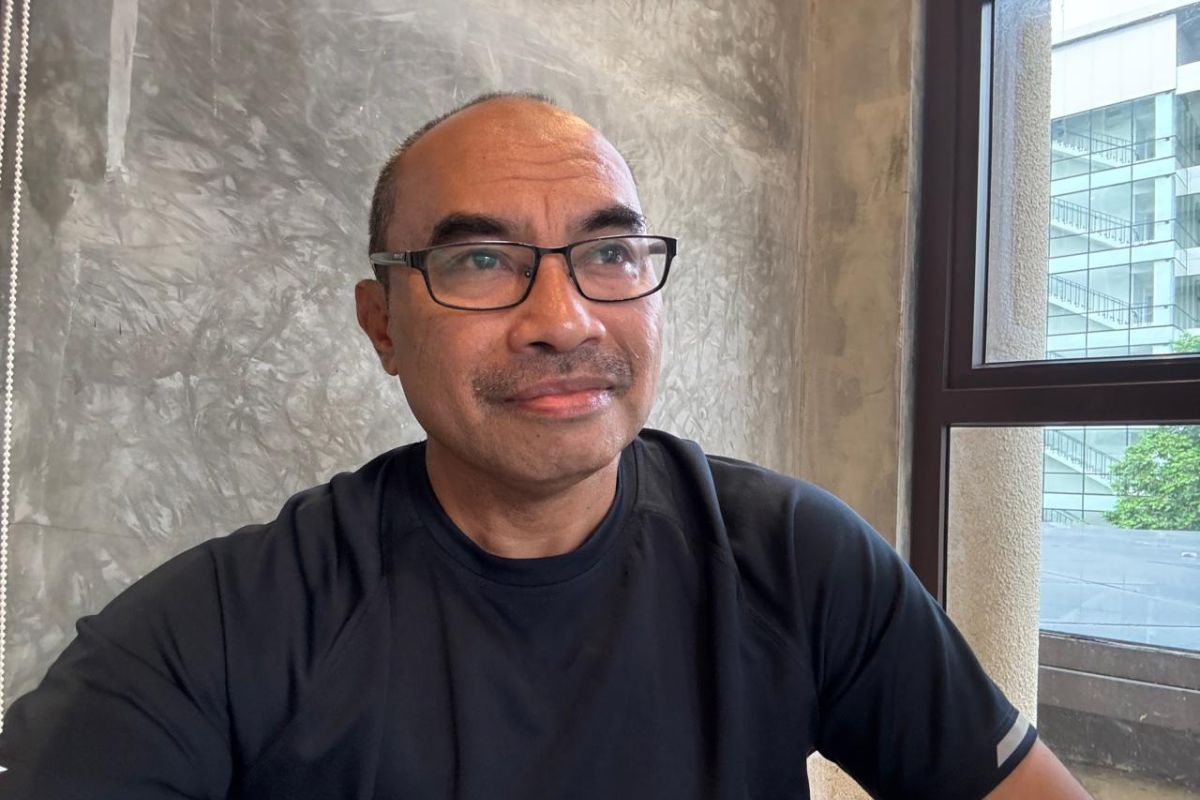
Jakarta (ANTARA) - Haris Rusly Moti, a pioneer of the 98 Resolution Network community, has described the emergence of social movements that reject the allocation of the State Budget (APBN) for the people as a form of anomaly. “In our view, social movements that are anti-APBN allocation for the people, rejecting MBG (Free Nutritious Meals), fishing villages, People’s Schools, and so on, are the most extreme anomaly in the tradition of social movements. I am convinced that such movements will never gain broad sympathy and support from the people,” Haris said in a written statement received by Antara in Jakarta on Sunday. Haris stated that if there are corrupt officials involved in these policies, it is the corruption itself that should be eradicated, not the programmes that should be halted. “In fact, a number of long-standing government social assistance programmes are still being corrupted. Let alone the MBG programme, which is newly pioneered and represents our country’s first experience in managing free nutritious meals for students,” he said. Furthermore, Haris urged critics of government policy to present their alternative viewpoints that differ from the views and policies of President Prabowo. “We are concerned because the student group movements and critics are actually opposed to pro-people policies. Their views instead adopt neoliberal perspectives, which consider APBN allocation for the people as wasteful and budget burning,” Haris remarked. Haris compared this narrative with the finest narratives of Indonesia’s independence revolution era. At that time, in 1928, Bung Hatta read a plea before the colonial court in The Hague, Netherlands, building the narrative of ‘Indonesia Merdeka’ (Free Indonesia). Two years later, in 1930, Bung Karno appeared before the colonial court in Bandung to read his plea ‘Indonesia Menggugat’ (Indonesia Accuses). Both Bung Karno and Bung Hatta, according to Haris, presented views and narratives that were an antithesis to colonialism, namely a free and sovereign Indonesia. He expressed concern that after Indonesia achieved independence, anti-self-reliance narratives such as ‘Indonesia Bangkrut’ (Indonesia Bankrupt) and ‘Sale Indonesia’ have instead emerged. Haris said it is President Prabowo Subianto who is reviving the narratives of the independence revolution era. In his various speeches, President Prabowo always emphasises that Indonesia must be sovereign and self-reliant. A number of policies crafted by President Prabowo, Haris said, are aimed at building a self-sufficient national economy, as envisioned by the nation’s founders. “When critics demand the eradication of corruption, President Prabowo has already taken a more fundamental step by eradicating state revenue leakages, under-invoicing, and transfer pricing. Previously, the KPK only touched on state expenditure corruption, which involved small amounts,” he stated. “They hope that the insults and intrigues they direct at President Prabowo personally will be met with a repressive response. That way, they can find further justification to frame the narrative of an authoritarian, anti-democratic regime,” Haris said. He noted that the tradition of social movements is to offer alternative views as an antithesis to a situation deemed deviant. Haris cited the example of previous social movement eras that built the narrative of the ‘Indonesia Bersih’ (Clean Indonesia) movement as an antithesis to a state situation considered dirty because it was controlled by corruptors and greedy oligarchs.