
Haris Azhar Outlines Three Measures Against Repression of Journalists
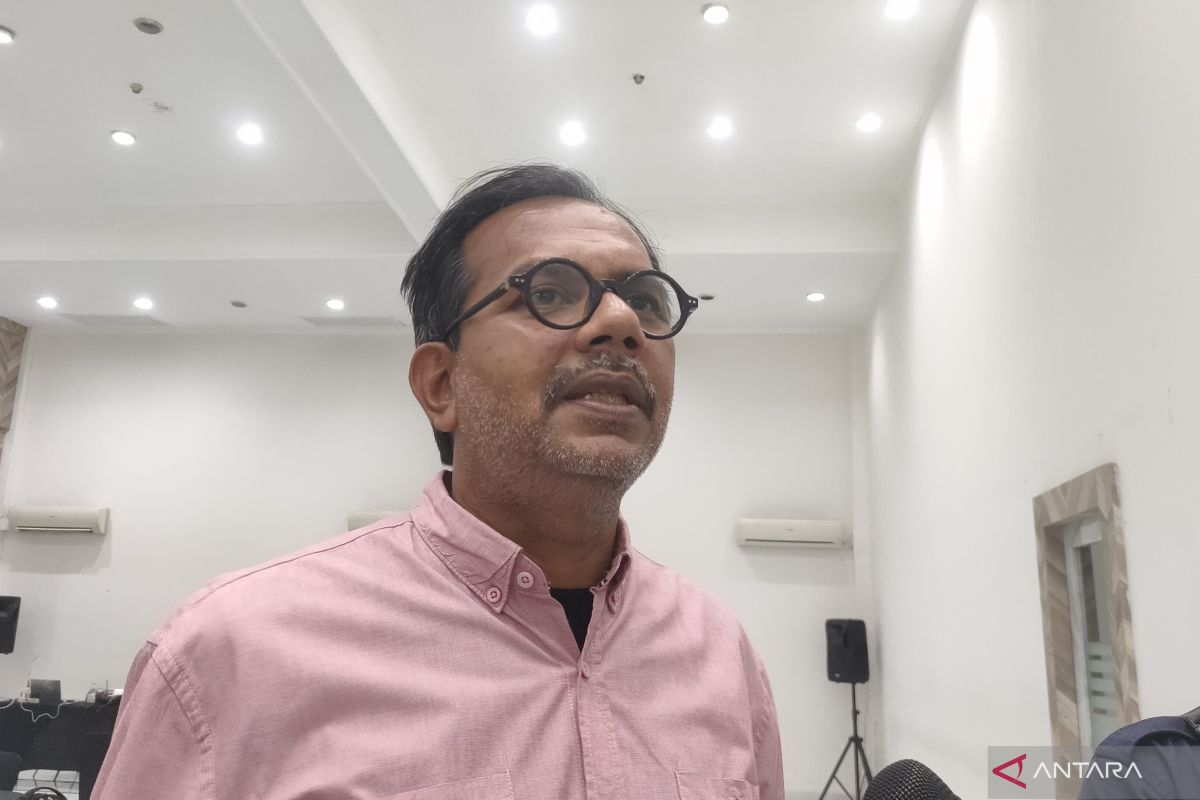
Human rights activist Haris Azhar, speaking at a thematic journalism training session organised by the Press Council in Jakarta on Thursday, outlined three levels of advocacy in response to acts of repression against journalists.
According to him, the three advocacy efforts are each carried out according to the impact caused by the repressive action against journalists.
“Things (acts of repression) that can be prevented should be addressed more fundamentally. So, first, from the side of awareness and ethics of officials not to use their power and wealth to attack, yes, that must be controlled,” said Haris.
Furthermore, he said, if repression has already occurred and resulted in damage to journalistic work tools, including cameras, mobile phones and so on, then the perpetrator must be held accountable for material compensation.
“If there is material loss, then material accountability must be demanded. For example, if the attack is not on the profession but on the equipment, then the facts should be revealed and the material loss must be compensated,” said Haris.
“If the attack is on very fundamental rights, such as bodily integrity and life, and also those related to the profession, then it must go through to a final process. In other words, the facts must be established, who the perpetrator is, who the victim is, and what the judgment is,” explained Haris.
Furthermore, he also stressed that the response to attacks or repression against journalists must not obscure the issue being raised.
“If the attack on our journalist colleagues requires legal action, for example if it contains criminal elements, there is already cooperation between the Press Council and the National Police Headquarters. If, for example, it is not criminal but related to the profession or its product, then we bring it to the Press Council,” said Haris.
On the other hand, he also did not condone journalistic products being challenged in court or reported to the police.
“Attacks on journalists must be fought by continuing to report on the issue that caused you to be attacked. So, fellow journalists, journalist organisations, and the Press Council must protect the continuity of that reporting. The reporting must not be allowed to stop,” concluded Haris.