
Haris Azhar: '1998 Redux' Narrative Orchestrated by Oligarchs to Plunder Indonesia
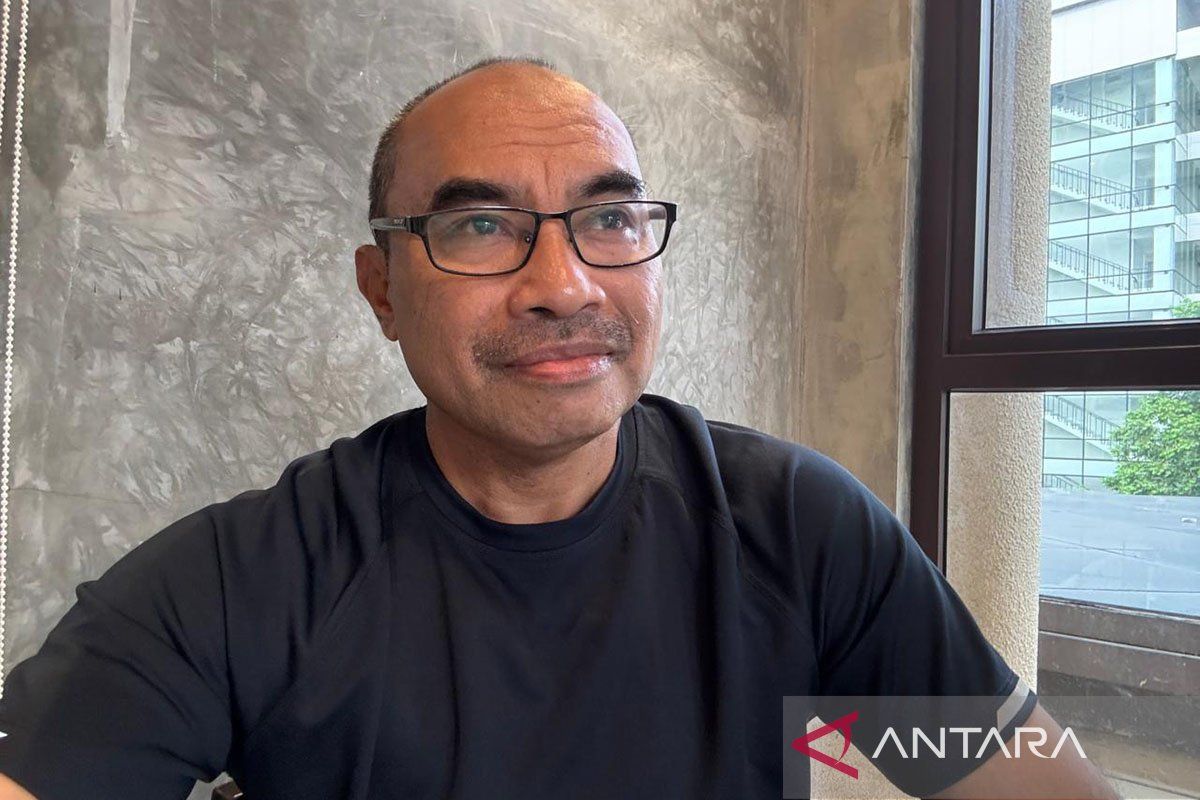
Human rights activist and Lokataru founder Haris Azhar assessed that the narrative or hashtag ‘1998 Redux’ is being orchestrated by oligarchic groups aiming to create a crisis similar to what occurred in 1998. “The narrative or hashtag ‘1998 Redux’, repeating 1998, did not emerge bottom-up from social movements and student movements. If we observe, the ‘1998 Redux’ narrative is being orchestrated top-down by ‘serakahnomics’ oligarchs through social media proxy accounts,” Haris said in a statement in Jakarta on Tuesday. Haris believes the parties spreading ‘1998 Redux’ intend to repeat the events of 1998 to reap financial profits by exploiting the chaos, as happened during that period. “They, the ‘serakahnomics’ oligarchs, are obsessed with repeating the mega-plunder they previously committed by riding on the monetary crisis and student movement of 1998,” he stated. Haris recalled the Bank Indonesia Liquidity Support (BLBI) and Bank Indonesia Liquidity Credit (KLBI) scandals as the largest mega-corruption in Indonesia’s history. The BLBI and KLBI mega-plunder occurred by exploiting the monetary crisis and student movement of 1998. “State losses from that plunder reached hundreds of trillions of rupiah due to the misuse of emergency bailout funds from Bank Indonesia. Our neighbouring country, Singapore, was awash with fresh BLBI money parked there by the plunderers,” Haris said. He stressed that the motivation behind the ‘1998 Redux’ and ‘sale Indonesia’ narratives is not to bring about change that benefits the state and the people. These ‘serakahnomics’ oligarchs, according to Haris, are instead obsessed with recreating a situation of destabilisation and multidimensional crisis like 1998 to plunder Indonesia’s wealth. Haris noted that according to foreign intelligence analysis, Indonesia during the 1998 era and the reform period was considered an empty space between China and Australia. The Indonesian state was likened to an empty space or no-man’s-land between China and Australia. Indonesia during the reform era was precisely a country without a system and without a master. “When the economic and political situation is chaotic, and the law and constitution are not upheld, that situation is like an empty space or no-man’s-land that gives them the freedom to plunder as they please,” Haris said. Therefore, he stated that genuine social and student movements would not promote narratives such as ‘Indonesia gelap’ (Dark Indonesia), ‘Indonesia bangkrut’ (Indonesia bankrupt), ‘sale Indonesia’, ‘Kabur dari Indonesia’ (Flee from Indonesia), ‘buang rupiah’ (dump the rupiah), ‘1998 Redux’, and ‘Indonesia hancur total’ (Indonesia totally destroyed). According to Haris, narratives or hashtags that disparage the Indonesian state do not originate from the deep feelings of the student movement and the Indonesian people. “I actually see these hashtags and narratives as a reflection of the threatened situation currently faced by national and multinational ‘serakahnomics’ oligarchs,” he said. “I say this because what is actually facing a dark and bankrupt fate is not the Indonesian state, but the ‘serakahnomics’ oligarchs. Their opportunities to accumulate wealth sourced from plundering state finances and Indonesia’s natural resources are being locked down,” Haris continued. Haris stated that these ‘serakahnomics’ oligarchs are greatly disadvantaged by President Prabowo Subianto’s steps to re-implement Article 33 of the 1945 Constitution, accompanied by preventing sources of state wealth leakage, eradicating corruption, and confiscating money and assets resulting from corruption. “In my view, those who have the capability to carry out ‘sale Indonesia’, ‘dump rupiah’, and ‘flee from Indonesia’ are the ‘serakahnomics’ oligarchs who possess abundant wealth obtained from plundering Indonesia’s natural resources and riches,” Haris concluded.