
Hardiknas 2026: Revitalising Ki Hajar Dewantara's Panca Dharma
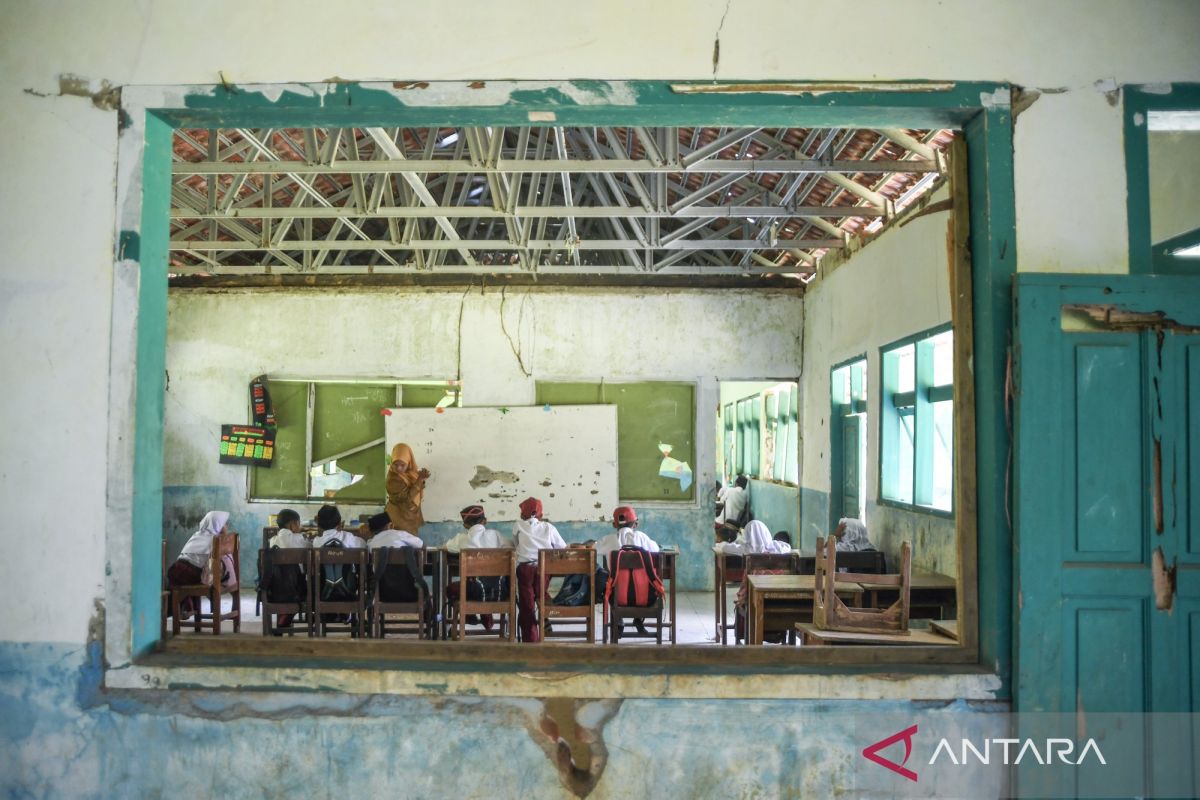
Panca Dharma should be reflected upon and interpreted in line with the context of our education in Indonesia. Jakarta (ANTARA) - Every 2 May, we commemorate National Education Day with ceremonies, speeches, and recurring slogans. However, behind that ceremony, the fundamental question becomes increasingly important and urgent: is our education still faithful to the ideals of humanising humanity, or has it shifted to merely becoming a machine for producing numbers, diplomas, and labour? Amid the bustle of policies and programmes, Ki Hajar Dewantara’s (1889-1952) ideas on Taman Siswa’s Panca Dharma—natural disposition, independence, culture, nationalism, and humanity—serve as a critical mirror. These five foundations of Taman Siswa are outlined in Articles 7 and 12 of the Basic Regulations of the Taman Siswa Union based on the decision of the 10th Congress from 5-10 December 1968. Panca Dharma is an original-creative, valuable, and strong formulation by Ki Hajar Dewantara. In Panca Dharma, Ki Hajar Dewantara provides a path for global thinking while remaining rooted locally. However, this idea is not merely a historical legacy, but a moral compass that feels increasingly relevant in this era of uncertainty and fluidity. Interpreting Panca Dharma