
Hanura Hopes for Improved Election Quality in 2029, Proposes This Scheme
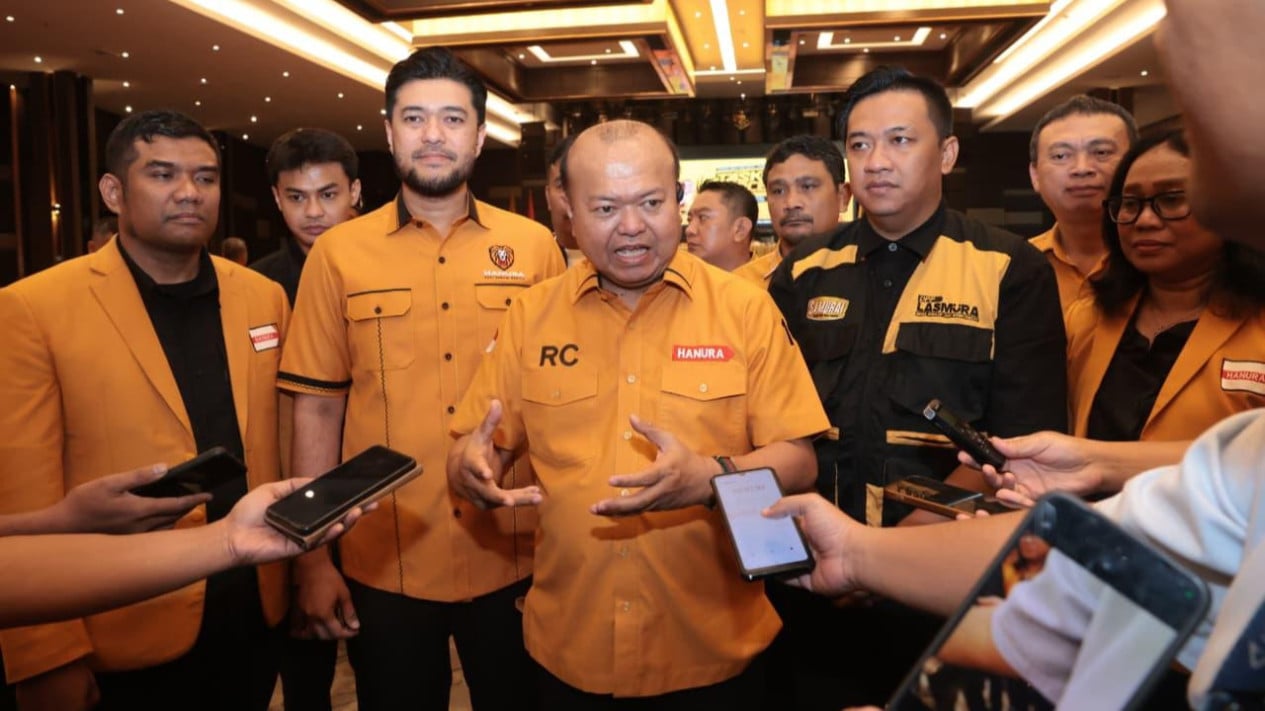
The Chairman of the Task Force of the Hanura Party Central Board, Patrice Rio Capella, stated that his party is proposing a change to the legislative election system to a combination of closed and open proportional representation.
Rio said that the open proportional system has so far had the potential to cause cadres who work diligently to build the party to be displaced by candidates with greater financial strength.
“Elections should improve the quality of their content with each cycle. We hope that in the 2029 elections, the quality of the DPR, and the provincial and regency/city DPRDs will also begin to improve,” said Rio during a Hanura Party consolidation event in Batam, Riau Islands, as quoted on Tuesday, 11 August 2026.
Rio said that the open proportional system has so far tended to make election contests resemble a free market.
“A good person, number one, an activist in the party, perhaps with capable subordinates, only loses on capital. So they are displaced and defeated by people who have not followed the party process or developed their party at all,” said Rio.
Therefore, Rio believes there needs to be a role for political parties in determining legislative candidates deemed to be of high quality. However, he does not want the mechanism to completely close the space for candidates to obtain seats based on vote counts.
Hanura, Rio continued, supports a combination or semi-open system. Under this scheme, the party has the authority to place superior cadres in certain list positions. Meanwhile, vote counts would still be considered for obtaining subsequent seats.
“If, for example, a party obtains two seats, then the first seat is given to the number one on the list, and the next seat is determined by the highest number of votes,” he explained.
According to Rio, this mechanism would give recognition to the party while still providing an opportunity for candidates to compete for votes.
“If a party only gets one seat, then it is given to the person proposed by the party in the number one position. So, there is recognition and it cultivates a culture of becoming a legislative candidate by first building up the party,” added the Deputy Chairman of Hanura.
He also assessed that the combination mechanism could encourage cadres to consistently build the party, rather than moving from one party to another simply because they have large capital.