
Hantavirus, a Mirror of Civilisation and Humanity's Ecological Wounds
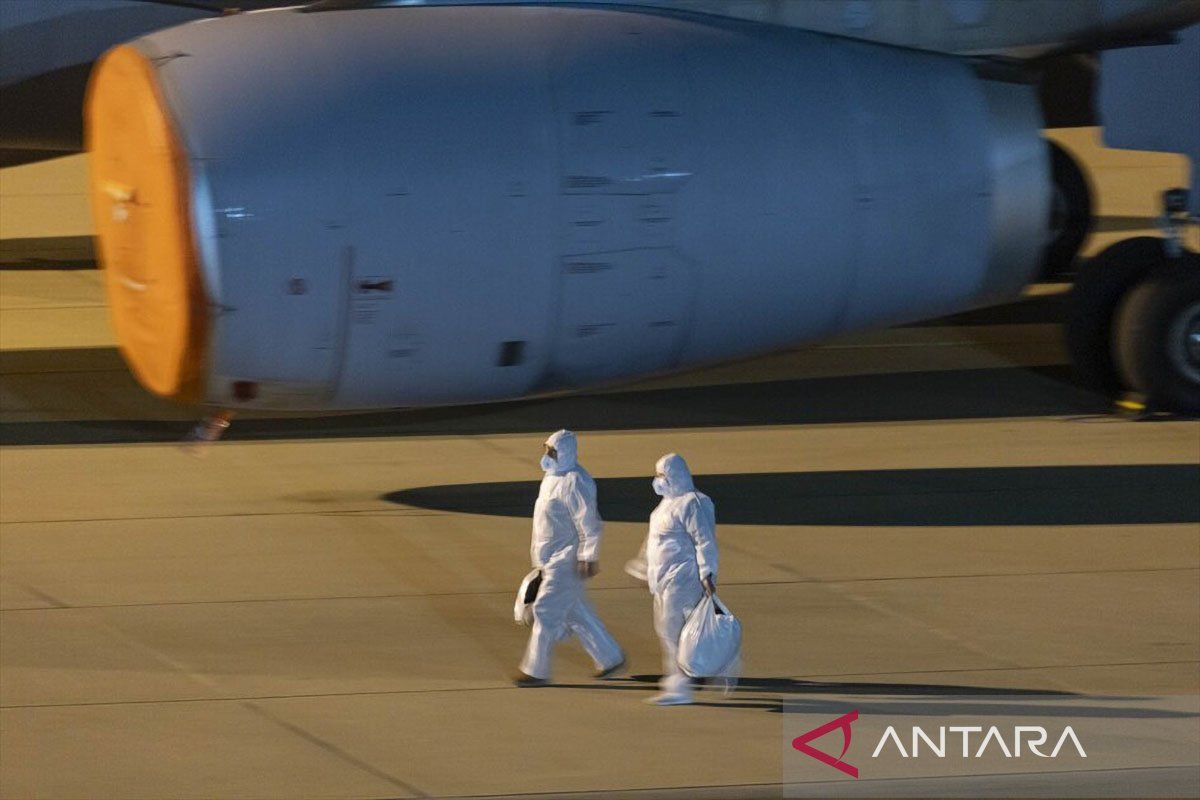
Jakarta (ANTARA) - Hantavirus teaches that diseases do not always originate in hospitals. They can begin in damp warehouses, crowded markets, rice fields near settlements, long-abandoned empty houses, ships crossing oceans, or dust stirred up when sweeping dry floors. There, human health, rodents, waste, food, air, behaviour, and the economy exist in a single network. Medically, hantavirus is a group of viruses primarily transmitted by rodents. The disease can cause hantavirus pulmonary syndrome or HPS (severe hantavirus lung syndrome) and haemorrhagic fever with renal syndrome or HFRS (haemorrhagic fever with kidney impairment). The Centers for Disease Control and Prevention (CDC) explains that hantavirus is spread mainly through rodents, can cause severe illness and death, and most types are not transmissible between humans. In public health, hantavirus is not just a matter of diagnosis. It is a test of sanitation, surveillance, spatial planning, risk literacy, and the readiness of health service facilities. The disease often starts from exposure to urine, faeces, saliva, or dust contaminated with rodent excretions. The Indonesian Ministry of Health explains that transmission can occur through direct contact with reservoirs, excretions contacting broken skin or mucous membranes, and aerosols (fine contaminated particles in the air). Indonesia needs to approach hantavirus proportionately. The Ministry of Health reports that HPS has never been reported in Indonesia, but vigilance against imported cases must be increased due to high international travel traffic. From 2024 to epidemiological week 18 of 2026, Indonesia reported 23 confirmed HFRS cases in nine provinces. This means hantavirus should not be exaggerated to cause panic, but nor should it be downplayed to the point of escaping clinical radar. In a tropical country, acute fevers are often immediately directed towards dengue, typhoid, leptospirosis, malaria, influenza, or respiratory infections. Hantavirus needs to be included in differential diagnoses if fever is accompanied by a history of rodent exposure, kidney impairment, low platelets, shortness of breath, or risky environmental exposure. Rodent Ecology and the City Hantavirus shows that ecology is not a distant theory in lecture halls. Ecology is present in kitchens, sewers, warehouses, markets, ports, dense settlements, rice fields, and flood-prone areas. Rodents are not merely pests. They can be indicators of environmental quality. If food is left open, waste accumulates, house gaps are unsealed, warehouses are dark, and drainage is poor, humans are building bridges between reservoirs and their own bodies. Therefore, the One Health approach (an integrated approach between human, animal, and environmental health) becomes very important. Doctors cannot work alone. Health departments, sanitation workers, market and port managers, the agricultural sector, laboratories, schools, places of worship, media, and communities need to read the same risks. Preventing hantavirus means improving humanity’s relationship with its living spaces. In early May 2026, global attention increased after the WHO reported a cluster of hantavirus-related illness linked to the MV Hondius cruise ship. The initial WHO report mentioned seven cases, including three deaths, while the Indonesian Ministry of Health update as of 9 May 2026 recorded eight cases, six confirmed HPS from the Andes virus strain, two probable, and three deaths. This incident is significant because the Andes virus has unique characteristics. The CDC explains that the Andes virus can spread through contact with rodents, contaminated objects, or rarely through close contact with infected persons. The CDC also states that the Andes virus is the only known hantavirus that can be transmitted between humans, usually through close contact. In health economics, rare diseases can still be costly. The burden of hantavirus consists of direct costs, such as laboratory tests, hospitalisation, referrals, isolation, ICU, oxygen, ventilators, and dialysis; indirect costs, such as lost workdays, reduced productivity, and transportation costs; and social costs in the form of family anxiety, community activity disruptions, psychological stress, and diminished environmental security. Prevention is far cheaper than emergencies. Sealing house gaps, storing food in closed containers, managing waste, wearing masks and gloves when cleaning risky areas, wetting rodent droppings with disinfectant before cleaning, and strengthening primary health centre surveillance are micro-investments that can prevent macro-costs. The Ministry of Health also emphasises reservoir control in settlements and agriculture/plantations as part of an integrated response. In health economics terms, hantavirus illustrates the value of cost avoidance (costs successfully avoided). One safely cleaned warehouse can prevent a family from entering the referral chain. One market with good sanitation can reduce risks to traders, buyers, sanitation workers, and the food logistics chain.
Source: jawawa.id (https://jawawa.id/newsitem/hantavirus-a-mirror-of-civilisation-and-humanitys-ecological-wounds-1778656134)
Originally published by Antara (Indonesian) (https://www.antaranews.com/berita/5566033/hantavirus-cermin-peradaban-dan-luka-ekologi-manusia), translated from Indonesian