
Halal Mandate Effective 17 October 2026: Important Details for Consumers to Verify
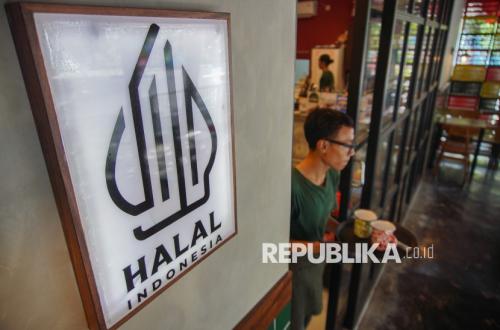
The deadline for the mandatory halal implementation in October 2026, specifically 17 October, is drawing closer. The Halal Product, Medicine, and Cosmetics Research Institute of the Indonesian Ulema Council (LPPOM MUI) has highlighted the halal certification mechanism for restaurants, particularly for business owners managing multiple outlets.
LPPOM President Director Muti Arintawati stated that while the variety of products subject to mandatory halal certification is currently greater than in 2024, the number of businesses requiring service remains relatively low compared to the total number of existing entrepreneurs.
“We are ready (to welcome the October 2026 halal mandate) because we have human resources across 34 provinces,” Muti said during an Influencer and Media Gathering and Talkshow organised by LPPOM in Jakarta on Wednesday (2/9/2026).
She explained that for restaurants with large business networks, the regulations allow for a certification approach based on individual outlets. In implementation, business owners must still ensure halal certification is obtained for all outlets subject to the mandate.
Given that the level of readiness varies between outlets, the certification process can be carried out in stages. Outlets that are ready can be processed first without waiting for the entire restaurant chain to be prepared simultaneously.
“The regulation does provide an opportunity for restaurants to undergo the halal certification process first for outlets that are ready. This will certainly assist the restaurant certification process, but one must not simply obtain a certificate and then make claims for the entire network of outlets,” Muti noted.
Muti added that having certificates for some outlets is not the final goal, as all networks subject to the mandate must still meet halal certification requirements. Transparency regarding the scope of certification is also vital so that the public can identify which outlets are certified and which are still in the process.
She stated that the enforcement of sanctions against restaurants that misuse halal certificates or fail to meet the mandatory halal implementation deadline must be carried out firmly.
With the approach of 17 October 2026, Muti believes a collective commitment is necessary to ensure the gradual halal certification process for restaurants remains effective.
“The public must receive clear information and have access to information regarding restaurant outlets being processed in stages. The challenge is the approaching deadline, both for the 17 October limit and the inspection deadline. Therefore, there must be a mutual commitment,” she said.
Amidst the process of fulfilling halal obligations, LPPOM revealed that consumers also play a crucial role. A brand’s large name or popularity does not automatically mean all its outlets are halal certified, as certification status can differ from one outlet to another.
Therefore, Muti stated that consumers need to ensure the halal logo and certification information are present at the outlets they visit and check their status through available official channels.
“Be a smart consumer and understand your rights, especially as a Muslim. Ensure the products or restaurants you choose are halal certified and make halal a top priority before purchasing,” Muti urged.
LPPOM considers that the phased certification process provides space for restaurants with many outlets to meet their obligations gradually. However, this process must still be followed by fulfilling halal requirements until all mandatory outlets are certified.
Muti emphasised that the implementation of the October 2026 Halal Mandate requires the involvement of the government, MUI, halal inspection agencies, business owners, media, influencers, and the public. Business owners can process ready outlets while preparing others, while consumers can verify the halal status of outlets before choosing their food.