
Halal Industry Urged to Become Indonesia’s New Economic Engine
Garuda TV held its Halal Edition of Economic Briefing 2026, titled “Halal as the New Growth Engine: Strengthening the Ecosystem, Product Certainty and Indonesia’s Competitiveness”, on Thursday (15 October 2026) at Yudistira Ballroom, Patra Jasa Office Tower, South Jakarta. The event was organised to strengthen cross-sector collaboration in developing the national halal industry.
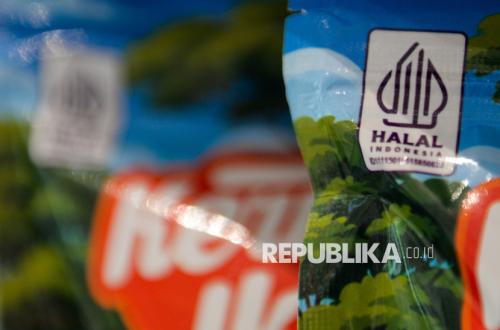
The forum discussed Indonesia’s halal industry as the implementation of mandatory halal certification approaches, coming into force on 18 October 2026. The policy covers various product categories, including food and beverages, cosmetics, natural medicines, health supplements and several other products.
Garuda TV president director Fahmi M Anwari said the halal industry should be viewed as more than certification and compliance. It should be positioned as part of an ecosystem capable of creating value and driving economic growth, he said.
“Halal is not only about how a product meets standards. It is also about how an ecosystem builds trust, creates value and ultimately generates growth. Therefore, the implementation of mandatory halal certification in 2026 should not be seen merely as a regulatory milestone, but also as an opportunity for economic transformation,” Fahmi told Republika on Thursday (15 October 2026).
Economic Briefing 2026’s Halal Edition examined the readiness of the government and businesses for the implementation of mandatory halal certification. Discussions covered strengthening the Halal Value Chain and the importance of harmonising halal assurance with product safety and quality.
The forum’s keynote speakers were Haikal Hassan, head of the Halal Product Assurance Agency (BPJPH), and Taruna Ikrar, head of the National Agency of Drug and Food Control (BPOM). They shared perspectives on policy and the implementation of halal product assurance in Indonesia.
The panel featured Fithra Faisal Hastiadi of the Government Communications Agency (Bakom), Rinaldi Agusyana, a Board of Expert member at ESQ Halal Hub, and Tito Maulana, chair of the Sharia Finance, Corporate and Halal Industry Committee at the Jakarta Chamber of Commerce and Industry (Kadin). Clara Antawidjaja moderated the discussion.
The discussion also covered strengthening the halal ecosystem from upstream to downstream, business readiness—including that of micro, small and medium-sized enterprises (MSMEs)—supply-chain integration, and regulatory and supervisory support. The development of the halal industry is expected to go beyond certification compliance and form part of a strategy to improve competitiveness, innovation and investment, and expand markets for Indonesian products.
Through its Economic Briefing 2026 Halal Series, Garuda TV is seeking to foster dialogue and cross-sector collaboration to build a more integrated and competitive national halal ecosystem. The initiative also offers Indonesia an opportunity to take a greater role in the global halal supply chain.
Source: jawawa.id (https://jawawa.id/newsitem/halal-industry-urged-to-become-indonesias-new-economic-engine-1792068695)
Originally published by Republika (https://halalhub.republika.co.id/berita/tmy756423/industri-halal-didorong-jadi-mesin-baru-ekonomi-indonesia), translated from Indonesian