
Halal Ecosystem Shows Positive Trend, Tegal City Government Pushes for Faster Certification
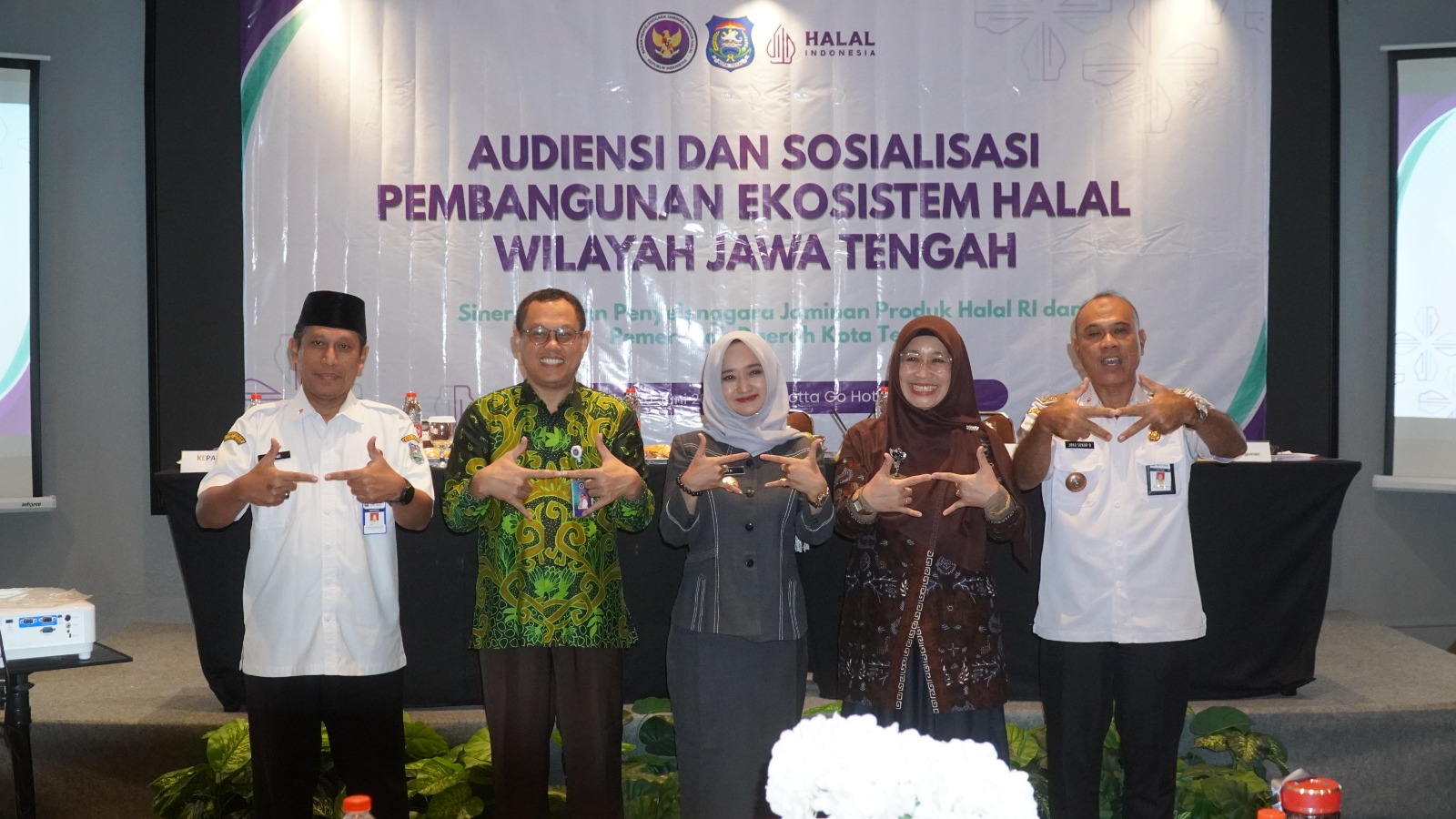
The halal ecosystem in Tegal City, Central Java, is showing a positive development trend. The Tegal City Government is pushing to accelerate the halal ecosystem through the Simoncer Berkah application developed by the City’s Regional Development Planning, Research and Innovation Agency (Bapperida). Based on data received, the development of the halal ecosystem in Tegal City shows encouraging trends, Deputy Mayor Tazkiyyatul Muthmainnah stated during the Central Java Halal Ecosystem formation socialisation event at Kotta Go Hotel Tegal on Wednesday morning. Tazkiyyatul noted that in 2021 only 26 halal certifications were recorded, but by 2 June 2026, that figure had surged to 5,210 certificates. However, out of a total of 12,082 business operators subject to mandatory halal requirements, only 43.12 percent have been certified. This means approximately 6,873 business operators remain uncertified. Tazkiyyatul stressed that the halal ecosystem is not merely a need for Muslims; it has evolved into a crucial element for enhancing product competitiveness at both national and global levels. Halal now encompasses sectors ranging from food, beverages, services, and tourism to finance, fashion, cosmetics, and industrial supply chains. The Tegal City Government is committed to providing tangible support through socialisation and facilitation of halal certification for MSMEs, strengthening halal literacy and education, and developing partnership networks among stakeholders. Head of the General Bureau of BPJPH RI, Sukismanto Aji, expressed appreciation for the support from stakeholders, including banking institutions, Baznas, and the Ministry of Religious Affairs, which have aided in halal certification mentoring. He asserted that the ultimate goal of halal ecosystem collaboration is to establish synergy between central and regional authorities. According to Sukismanto, the global halal market potential is enormous as it has become a global lifestyle. Indonesia currently ranks eighth, while countries such as China, the United States, Brazil, Singapore, and Thailand are at the top. This extraordinary potential must be seized immediately by building a robust halal ecosystem. The target is for Indonesia to become number four in the world by 2029.