
Halal Certification Shifts from Compliance to Competitiveness for Indonesian MSMEs
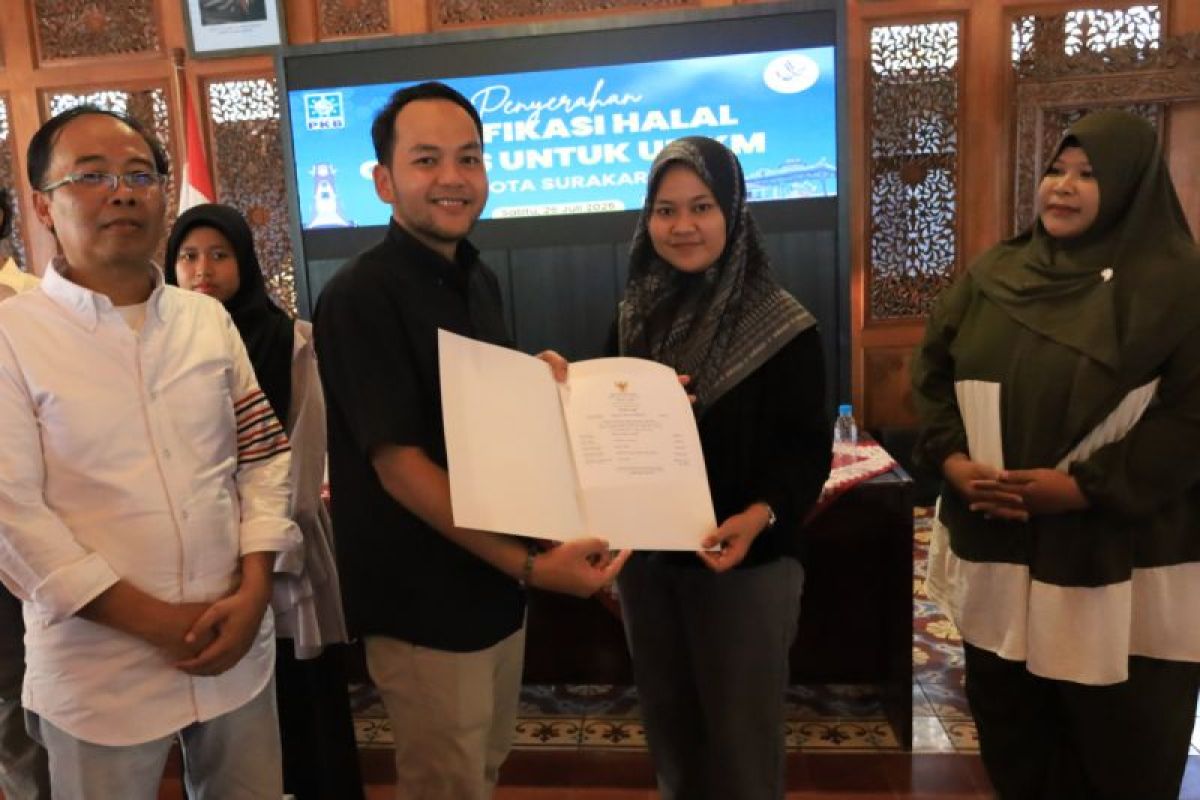
Jakarta (ANTARA) - The Deputy for Entrepreneurship at the Ministry of MSMEs, Riza Damanik, stated that the production of halal certificates is currently shifting from being merely a label of compliance to an effort to increase the competitiveness of business products to enter wider markets.
“This means there is a positive shift; from the context of compliance and the fear of sudden inspections, it is now seen as a necessary stage to encourage more competitive, more productive, and better sales performance in the future,” said Riza during the Islamic Financial Dialogue in Jakarta on Wednesday.
He noted that the trend of halal certification among micro, small, and medium enterprise (MSME) owners has increased over the last two years. This is driven by a paradigm shift at national, regional, and global levels, where halal certification is viewed as a way to enhance competitiveness to enter modern retail markets and reach the middle-class market, which is increasingly concerned with halal and healthy products.
Riza stated that in 2024, 733,000 business actors had registered for halal certification, and by 2025, this rose to 1.2 million issued halal certificates.
Data from the first quarter of 2026 shows that more than 2.9 million MSME entrepreneurs have been involved in registering their businesses for halal certification, with a total of 3.72 million halal certificates issued. As of the first quarter of 2026, more than 10.1 million products have obtained halal certification.
“The figures today are much larger than this, and looking at this data, we want to say that our achievement this year is expected to be higher than in 2025,” said Riza.
This growth indicates that MSME entrepreneurs are increasingly realising that halal certification can be used as a profitable business investment.
He emphasised the need for aggressive efforts in literacy, procedural ease, and digital integration for the issuance of halal certificates to ensure real economic growth through a more inclusive Sharia scheme. With halal certification, MSMEs gain legitimacy and credibility in the eyes of consumers, banks, and large industrial partners, which will ultimately drive more inclusive and sustainable national economic growth.