
Halal certification serves as an effort to foster Muslim tourist confidence
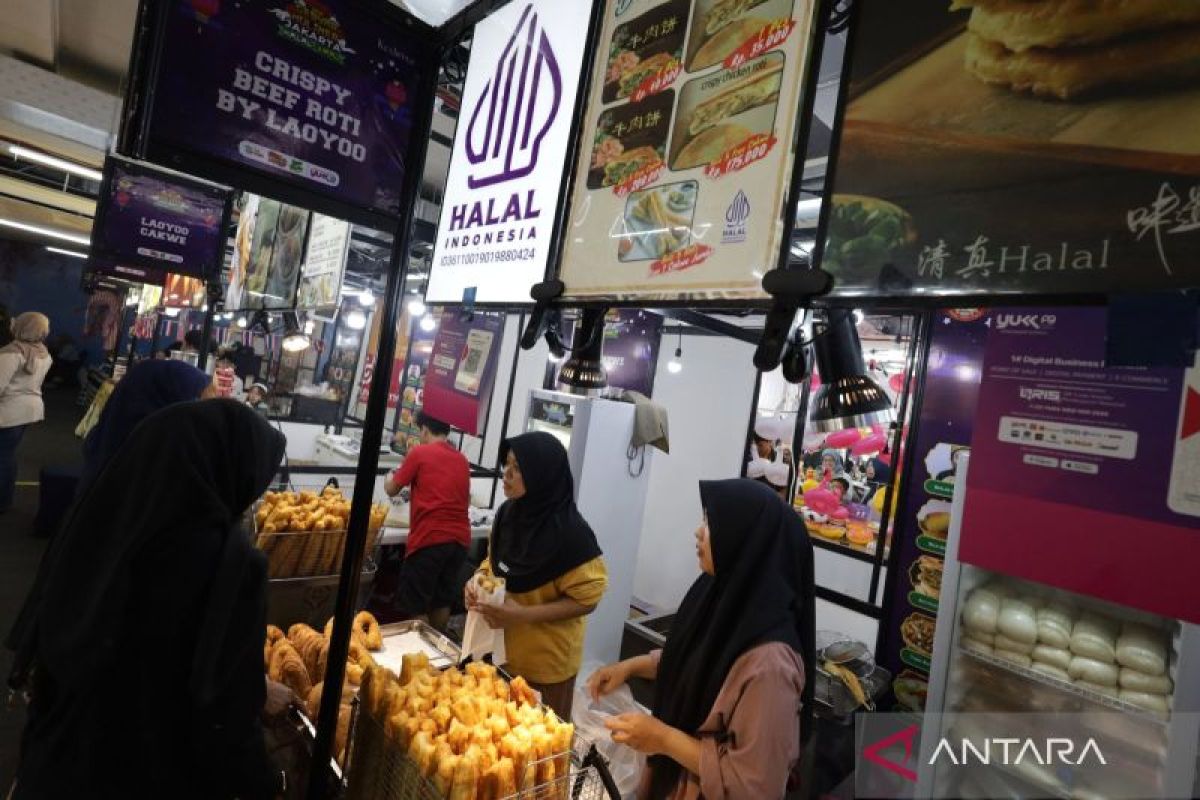
Jakarta (ANTARA) - Tourism expert from Andalas University, Sari Lenggogeni, believes that halal certification can serve as a signal of trust for Muslim tourists while strengthening the development of Muslim-friendly tourism in Indonesia.
“Tourists no longer have to face the uncertainty of whether a product is halal or not, which can reduce perception risks at destinations,” Sari stated when contacted by ANTARA in Jakarta on Wednesday.
In this regard, the need for Muslim-friendly services does not only encompass halal food, but also prayer facilities, cleanliness, information, and easily accessible services. This can support the development of inclusive Muslim-friendly tourism.
Sari assesses that Indonesia’s potential to develop Muslim-friendly tourism is quite strong because it possesses a combination of nature, culture, gastronomy, Islamic heritage, creative economy, and a Muslim tourism service ecosystem that has naturally developed within society.
However, she emphasised that halal tourism is not the same as religious tourism. Its development does not mean transforming destinations into religious sites, but rather providing additional services and certainty for Muslim tourists.
“The essence is how we provide extended service and assurance to Muslim tourists,” she said.
On this occasion, she also highlighted that the mandatory halal policy could act as a driver or stimulus for companies to enter the halal certification stage.
This policy covers food and beverages, slaughter products and services, as well as several other product categories.
Consequently, Sari believes the government needs to provide incentive support to MSMEs in the development of Muslim-friendly tourism. This is because not all MSMEs yet possess sufficient capacity to obtain halal certification. She cited West Sumatra as an example, which previously had regulations regarding halal tourism and subsequently developed them into halal destinations.
Furthermore, she stated that the Ministry of Tourism could play a role in orchestrating the ecosystem so that halal certification does not stop at meeting requirements, but can provide economic value and strengthen destination competitiveness.
Such development needs to integrate certification, capacity building, product development, digitalisation, and marketing. Training is also required for hotels, restaurants, tour guides, as well as travel agents and tour operators regarding Muslim-friendly hospitality.
Sari also encouraged the Ministry of Tourism to strengthen engagement with stakeholders through field visits and dialogues with various associations.
According to her, broad involvement is necessary because tourism is closely related to relationships between stakeholders, including collaboration with promotion bodies and local governments.
Additionally, the development of Muslim-friendly destinations needs to have measurable indicators so that it does not stop at merely designating destinations. These indicators include length of stay, spending levels, and repeat visits.
She added that destinations designated as Muslim-friendly also need ongoing support, including marketing to halal tourism markets such as Malaysia.
Source: jawawa.id (https://jawawa.id/newsitem/halal-certification-serves-as-an-effort-to-foster-muslim-tourist-confidence-1791345537)
Originally published by Antara (Indonesian) (https://www.antaranews.com/berita/5774616/sertifikasi-halal-jadi-upaya-tumbuhkan-kepercayaan-wisatawan-muslim), translated from Indonesian