
Halal Certification Requirement Delayed Again
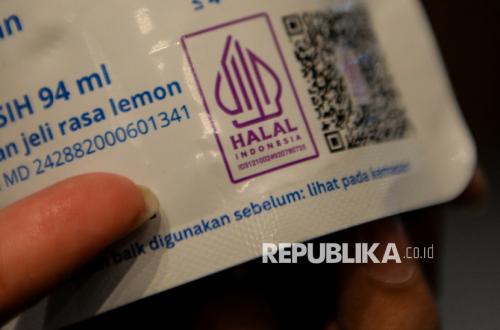
The government has postponed mandatory halal certification for food and drink products. The previous deadline for obtaining halal certification was today, 17 October 2026.
Susiwijono Moegiarso, Secretary of the Coordinating Ministry for Economic Affairs, said the policy was established through a Government Regulation amending Government Regulation No. 42 of 2024 on the Implementation of Halal Product Assurance (JPH).
Susiwijono said the postponement is set out in the main provisions of the amendment to Government Regulation No. 42/2024. He said several clauses in Articles 160 and 161 had been amended, principally to extend the phased introduction of mandatory halal certification for certain products and services.
“What was previously in force ‘until, or no later than, 17 October 2026’ will now be ‘until, or no later than, 17 October 2028, or starting from 18 October 2028’,” Susiwijono said at an online briefing on policies concerning mandatory halal certification on Friday (16 October 2026).
The second main provision requires all implementing regulations under Government Regulation No. 42/2024 to be aligned with the new regulation. The third states that provisions on ensuring the compliance of foreign halal products entering Indonesia, as set out in legislation, are revoked and no longer apply.
Susiwijono said mandatory halal certification would be introduced in stages. He added that the government had held comprehensive discussions with all relevant parties and considered input from business associations, chambers of commerce, representatives of other countries and relevant institutions.
“We have explained this to all business associations and relevant ministries and agencies at the briefing on policies concerning mandatory halal certification at the Coordinating Ministry for Economic Affairs,” Susiwijono said.
He said the government’s outreach on mandatory halal certification was intended to ensure its effective implementation while taking account of the readiness of the national halal ecosystem. The government, he added, recognises that the requirement has a broad scope, involving millions of businesses and various industrial sectors.
The requirement is based on Law No. 33 of 2014 on Halal Product Assurance, as amended by Law No. 6 of 2023. Its implementing provisions include Government Regulation No. 42 of 2024 on the Implementation of Halal Product Assurance.
Under Government Regulation No. 42/2024, several halal certification requirements were scheduled to take effect on 18 October 2026. However, following an evaluation and feedback from business and industry associations, the government considers it necessary to adjust the transition period, allowing adequate time to strengthen the ecosystem and prepare all parties involved.
“Taking the readiness of the halal ecosystem into account, the government is extending the phased introduction of mandatory halal certification through a Government Regulation amending Government Regulation No. 42 of 2024,” Susiwijono said.