
Halal Certification Mandatory from 18 October: Kadin Develops Halal Trainer to Prepare MSMEs
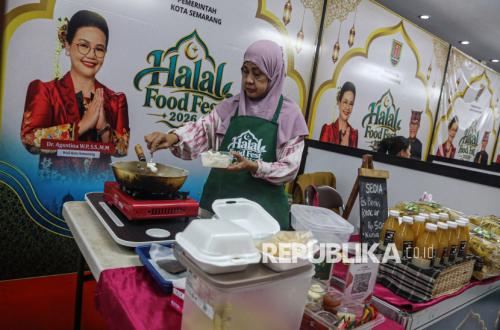
The implementation of mandatory halal certification, which is entering a critical phase on 18 October 2026, has become a primary concern for micro, small, and medium enterprises (MSMEs). This is particularly significant as Indonesia possesses approximately 64 million MSMEs, with women comprising about 60 per cent of these business owners.
The Head of the Sharia Economic and Financial Development Agency of Kadin Indonesia, Dr Titi Khoiriah, stated that MSME readiness is a major focus as the scope of mandatory halal certification expands.
“Indonesia has around 64 million MSMEs, and approximately 60 per cent of the participants are women,” Titi said during the National Mudzakarah and IAEI Expert Council Discussion Forum in Jakarta on Tuesday (29/9/2026).
To support MSME owners, Kadin is developing the Kadin Halal Trainer programme. This programme is designed not only to assist business owners in obtaining halal certification but also to increase business capacity to enable them to penetrate export markets.
According to Titi, halal certification must go hand-in-hand with the strengthening of business capacity. This is because halal obligations are also part of the effort to bolster the competitiveness of Indonesia’s halal industry.
In addition to certification, access to financing remains a crucial factor. Titi believes that Sharia financing needs to be more directed towards productive sectors to help MSMEs increase production capacity, meet standards, strengthen quality, and expand their markets.
Titi noted that Indonesia’s challenge is not merely to increase the consumption of halal products, but also to transform the economic structure so that Indonesia can derive greater added value from the halal ecosystem.
“Our growth in the Sharia economy and finance is already evident. However, growth alone is not enough. We need to ensure that Indonesia’s halal industry is capable of producing competitive products that can penetrate further into export markets,” she added.