
Halal Certification Deadline Delayed Until October 2028, 87% of MSMEs Still Uncertified
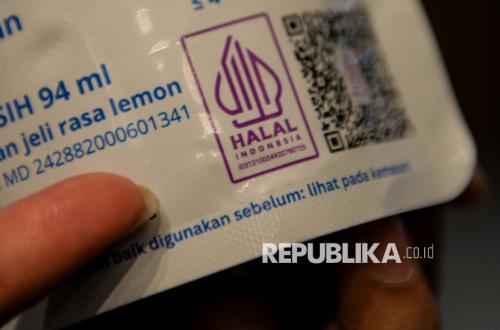
DEPOK — About 87% of micro, small and medium-sized enterprises (MSMEs) required to hold halal certificates have yet to obtain them. This poses a challenge ahead of the implementation of mandatory halal certification for micro and small enterprises (MSEs), which has again been postponed, until October 2028.
The Indonesia Sharia Economic Outlook (ISEO) 2027 notes that the delayed certification deadline leaves the government with the task of ensuring businesses are ready. There are concerns that compliance could weaken unless the revised deadline is accompanied by adequate assistance and public outreach.
In terms of budgetary support, the indicative allocation for the Halal Product Assurance Agency (BPJPH) in 2027 stands at Rp 327 billion. This remains far below the additional Rp 1.38 trillion requested to support the issuance of 3.3 million halal certificates.
ISEO says limited budgetary support and businesses’ lack of readiness could hinder certification targets. Assistance for MSMEs therefore needs to be strengthened so that the deadline extension does not further slow the certification process.
BPJPH head Putu Rahwidhiyasa said the development of the halal industry should extend beyond simply meeting certification requirements.
“Halal industry development must move beyond certification. We need to strengthen connections between production, financing, business development, research and market access. With an ecosystem-based approach, businesses will not only meet halal standards but also be able to increase their capacity and competitiveness,” Putu said at the launch of ISEO 2027 at the Soeria Atmadja Auditorium, Faculty of Economics and Business, University of Indonesia, in Depok, West Java, on Wednesday (25 November 2026).
Indonesia’s halal industry also has significant market potential. The country’s halal product exports reached US$63.4 billion in 2025, generating a trade surplus of US$51.2 billion. However, exports remain concentrated in food and beverages, which account for around 80% of total halal exports.
ISEO 2027 says efforts to strengthen the halal industry should focus on boosting production capacity and business competitiveness. Links between certification, financing and market access are crucial to ensuring that MSMEs go beyond meeting standards and can also enter halal industry supply chains.
Source: jawawa.id (https://jawawa.id/newsitem/halal-certification-deadline-delayed-until-october-2028-87-of-msmes-still-uncertified-1795614679)
Originally published by Republika (https://halalhub.republika.co.id/berita/tp2632423/tenggat-sertifikasi-halal-mundur-ke-oktober-2028-87-persen-umkm-belum-bersertifikat), translated from Indonesian