
Halal begins with the consumer, not just the logo
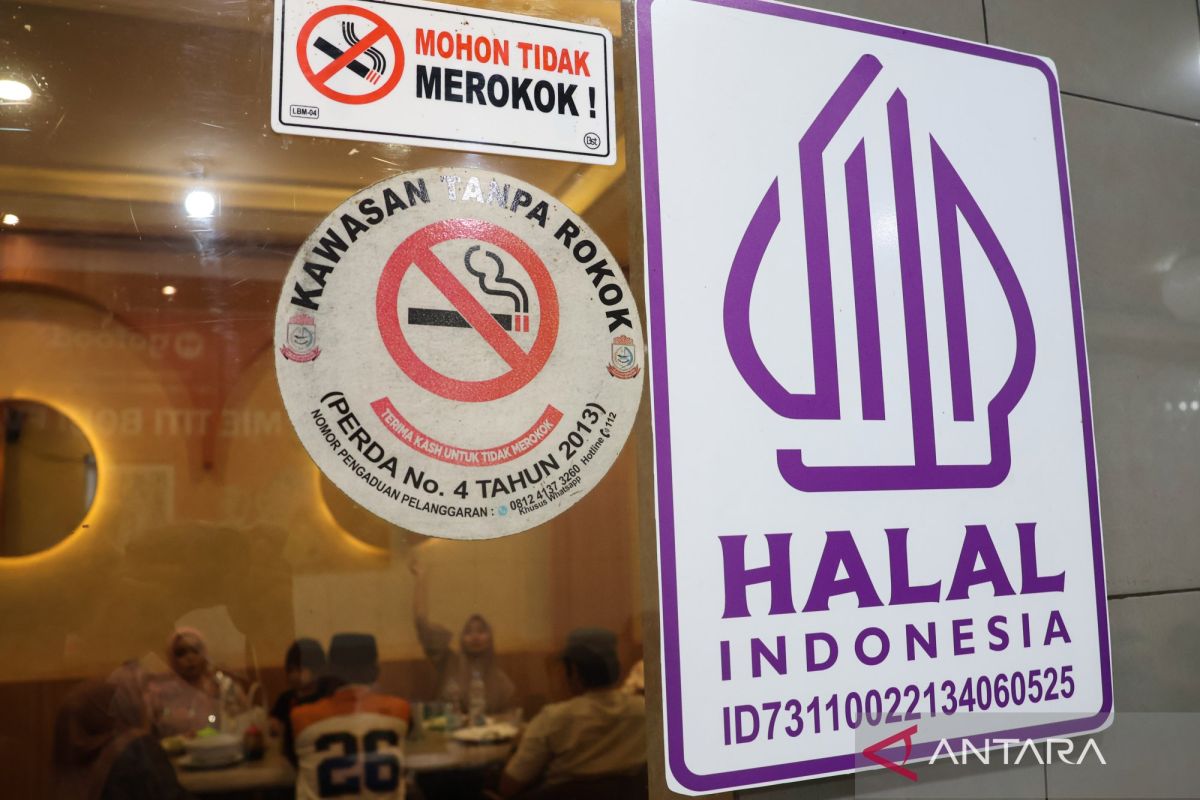
More than that, the halal logo will become a representation of integrity, consumer protection, and the nation’s competitiveness.
Jakarta (ANTARA) - A young mother stands for quite a while in front of a supermarket shelf, comparing two nearly identical products. Their prices are not far apart and both packages are equally eye-catching, but this time she is not in a hurry to choose. She turns the package over, checks for the halal logo, then reads the product information carefully.
Afterwards, she opens her mobile phone to verify the status of the halal certificate through the official service. Only once she has obtained certainty does she make her choice and put the product in her shopping basket.
This simple scene could become the new face of Indonesian shopping behaviour after 18 October 2026. That date does not merely mark the start of the halal certification obligation for various product categories, but also the starting point of a shift in consumers’ mindset: from simply buying to choosing consciously, critically, and responsibly.
The government has built the legal foundation through Law Number 33 of 2014 on Halal Product Assurance, which was subsequently refined through Law Number 6 of 2023 and further regulated in Government Regulation Number 42 of 2024.
This series of regulations affirms the obligation of halal certification for certain products in accordance with the prevailing laws and regulations circulating in Indonesia.
Over recent months, public attention has mostly been focused on the readiness of businesses. Various outreach activities have been carried out by the Halal Product Assurance Organising Agency (BPJPH), ministries, regional governments, universities, professional organisations, and business associations. All are working to ensure the halal obligation runs smoothly.
These steps certainly deserve appreciation. However, there is one link in the chain that often escapes discussion: consumers as the holders of rights, and at the same time the party that benefits most from the existence of the halal product assurance system.
Yet the history of consumer protection in various countries shows that good regulation is never enough if society remains passive. Halal-certified products do provide legal certainty, but public trust is not born merely from a certificate or a logo on the packaging.
Trust grows when consumers understand the meaning of certification, are able to read product information, know how to verify the validity of a certificate, and are willing to report suspected violations. In other words, halal certification must be accompanied by a transformation of consumer culture.