
Hajj's transformation: Saudi Vision 2030 and the future of the Muslim economic ecosystem
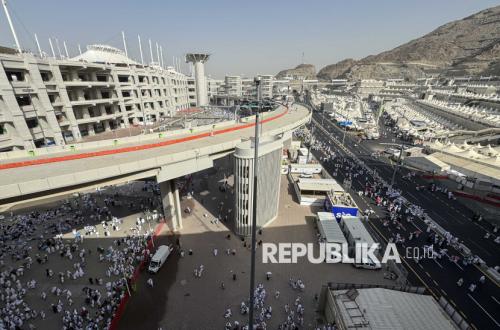
Amidst the evolving Islamic world, Hajj is no longer viewed solely as an annual spiritual ritual. Saudi Arabia now integrates the Hajj and Umrah ecosystem into its national economic transformation under Vision 2030. This shift transcends infrastructure development and service modernisation for pilgrims, instead reconfiguring global perceptions of the intersection between spirituality, technology, and economics.
Projects such as the expansion of Masjidil Haram, the Haramain high-speed rail, visa digitalisation, smart Hajj services, and artificial intelligence integration form part of Saudi Arabia’s broader strategy to reduce oil dependency and strengthen service-based and religious tourism economies. The kingdom aims to accommodate 30 million Umrah pilgrims annually by 2030.
Interestingly, despite this modernisation, the 2025 Hajj participation figure stood at approximately 1.67 million from 171 countries, lower than the previous year’s 1.83 million. This decline reflects stricter regulations, visa scrutiny, extreme weather, and rising global travel costs. The data demonstrates that Hajj’s transformation does not necessarily equate to increased numbers but also encompasses safety, governance, and sustainable service delivery.
When Hajj becomes an economic engine
From Pine and Gilmore’s experience economy theory, modern economic value now stems from emotional and spiritual experiences, not just goods and services. Hajj has evolved into a global religious experience economy, encompassing hotels, transport, logistics, healthcare, fintech, halal cuisine, and data-driven digital economies.
This means the Hajj sector is no longer a seasonal religious activity. It has become a new economic engine connecting finance, technology, tourism, and global trade.
This transformation also highlights how spirituality in the modern era contributes to global economic value competition. Saudi Arabia has responded swiftly, not only building physical infrastructure but also developing highly integrated, technology-driven religious service ecosystems.
Saudi Arabia’s non-oil sectors continue contributing more to GDP, with religious tourism emerging as a key pillar. In economic geopolitics, Hajj now serves not only as a service for the faithful but as a soft power tool and a means to strengthen Saudi Arabia’s position in the global Muslim economy.
Source: jawawa.id (https://jawawa.id/newsitem/hajjs-transformation-saudi-vision-2030-and-the-future-of-the-muslim-economic-ecosystem-1780050424)
Originally published by Republika (https://analisis.republika.co.id/berita/tfsdqc475/saat-haji-bertransformasi-saudi-vision-2030-dan-masa-depan-ekosistem-ekonomi-umat), translated from Indonesian