
Hajj Organisers: Be Alert to Seven Disease Symptoms After Returning to Indonesia
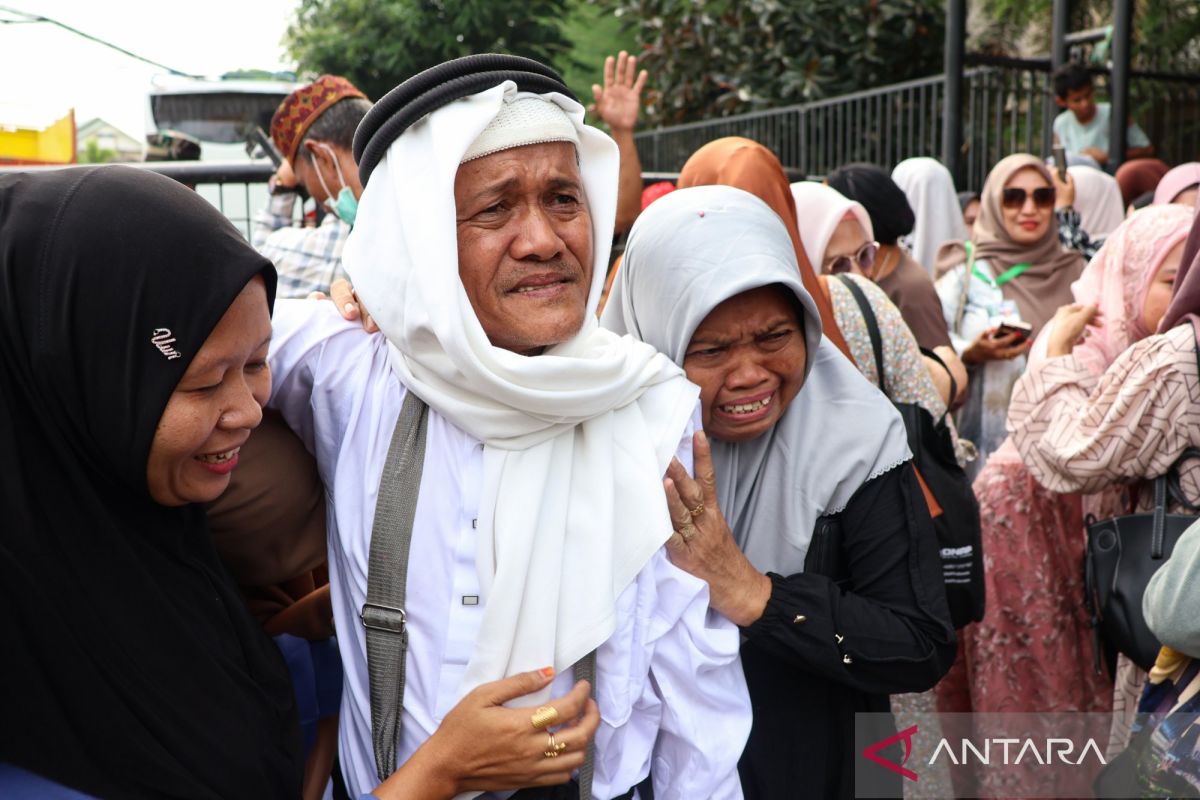
The Hajj Organising Committee (PPIH) of the Makassar embarkation, South Sulawesi, has urged pilgrims to remain vigilant regarding seven specific disease symptoms upon their return to Indonesia. Muhammad Haskar Hasan, an official from the Makassar Large Health Quarantine Centre (BBKK), stated on Sunday that brief health briefings are essential for the early detection of infectious diseases that may have been brought from abroad.
Every Hajj pilgrim is required to monitor their health condition for 21 days after arriving in the country, as this period serves as the incubation period for several communicable diseases. During the briefing, pilgrims were instructed to seek immediate medical attention at the nearest community health centre (puskesmas) or healthcare facility if they experience certain symptoms.
The seven primary symptoms to watch for include fever, cough, runny nose, shortness of breath, sore throat, nausea and vomiting, and diarrhoea. Furthermore, officials warned of more serious symptoms, such as neck stiffness (nuchal rigidity) and the appearance of skin lesions or rashes. These conditions could indicate dangerous infections, such as meningitis or other communicable diseases.
“Neck stiffness is not merely ordinary muscle aches. If accompanied by high fever, severe headache, vomiting, decreased consciousness, or red skin rashes, pilgrims must seek immediate medical assistance,” said Haskar.
Pilgrims are also encouraged to maintain healthy living habits, such as wearing masks when coughing, maintaining social distancing, and practising frequent handwashing, as well as seeking treatment promptly if health complaints arise. This health briefing is a vital part of the reception process for the Makassar embarkation to ensure that the health of pilgrims remains monitored after they reunite with their families and the community.