
Hajj Officers 2027: Setting Aside Ego and Putting Duty First
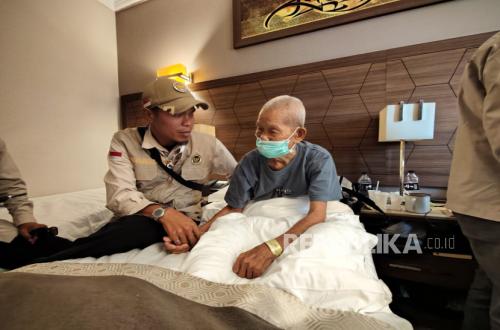
The training programme for Indonesian Hajj Organising Committee (PPIH) officers in Saudi Arabia for 2027, which is now under way, is an important opportunity to reaffirm the purpose of serving Hajj pilgrims. Being a Hajj officer is not merely a matter of carrying out a state duty, gaining the chance to travel to the Holy Land or wearing an official uniform. Above all, officers bear a great responsibility: to serve and protect pilgrims, and ensure they can perform their rites safely, comfortably and with due devotion.
In the presence of millions of pilgrims, Hajj officers are the embodiment of the state. They are the face of Indonesia’s services in the Holy Land. The quality of the Hajj operation is therefore determined not only by policy, facilities, transport, accommodation and catering, but also by the character, integrity and commitment of those on the front line.
The training must be a setting in which a spirit of service is cultivated, rather than a mere formality for obtaining a certificate or meeting a departure requirement. Officers need to understand that serving Hajj pilgrims demands physical and mental readiness, competence, discipline and a willingness to work in conditions that are not always comfortable.
Setting aside ego and putting duty first
One issue deserves serious attention: the tendency to bring social status, official rank and position into the work of serving pilgrims.
No officer should consider themselves too important to carry a pilgrim’s belongings, help an elderly person walk, push a wheelchair, manage queues or stand guard under the scorching sun. Nor should anyone regard field duties as work better suited to others simply because they are an official, community figure, academic, ustaz or kiai.
In the Holy Land, all worldly status should be set aside. Rank is not a measure of a person’s worth in service. Those with position and influence should instead set an example of devotion. A kiai who sincerely helps pilgrims, or an official who promptly assists an elderly person, offers a far stronger moral lesson than words of advice alone.
Another issue that warrants attention is the conduct of some officers who put their personal worship ahead of their service responsibilities. Some become too focused on opportunities to perform umrah repeatedly, make tawaf, spend long periods in the mosque or carry out additional acts of worship, while neglecting the pilgrims in their care.
There is, of course, nothing wrong with increasing one’s worship in the Holy Land. The problem arises when personal worship comes at the expense of a duty entrusted to an officer. Leaving service without a valid reason, neglecting pilgrims who need help or failing to carry out one’s duties for the sake of personal worship is not a sign of piety.
The Qur’an offers a forceful criticism of religiosity that does not lead to social concern. In verses 1–7 of Surah Al-Ma’un, God warns of those who deny the faith, including those who rebuke orphans, do not encourage feeding the poor, and are heedless in their prayers and act ostentatiously. The message is clear: religious rites must not be separated from concern for and responsibility towards others.
Imam Ibn Rajab al-Hanbali, in Jāmi‘ al-’Ulūm wa al-Ḥikam, offers a relevant warning. He said that many people believe piety means fulfilling the rights of God alone, without considering the rights of His servants.
Ibn Rajab also cautioned that those preoccupied with fulfilling the rights of God may sometimes neglect or fall short in fulfilling the rights of other people. In his view, combining the fulfilment of God’s rights with those of other people is of great importance.
For Hajj officers, helping pilgrims who have become lost, accompanying older people, caring for sick pilgrims and ensuring their needs are met are therefore acts of service with spiritual value.
Source: jawawa.id (https://jawawa.id/newsitem/hajj-officers-2027-setting-aside-ego-and-putting-duty-first-1795679584)
Originally published by Republika (https://opini.republika.co.id/berita/tp3kbw483/petugas-haji-2027-menanggalkan-ego-mengutamakan-amanah), translated from Indonesian