
Hajj Ministry Urges Transformation of Hajj and Umrah Industry Towards Service, Not Just Profit
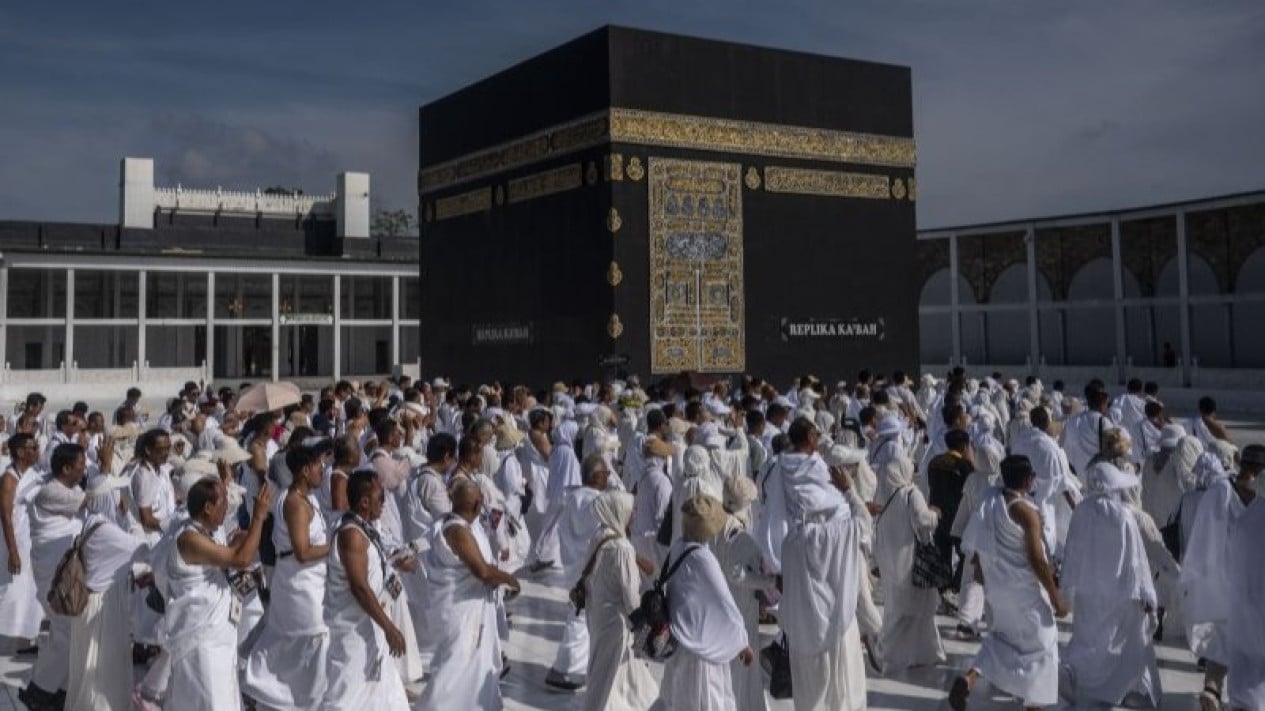
Jakarta, VIVA – The hajj and umrah industry in Indonesia needs to enter a new chapter that is no longer oriented solely towards business profit. Amid rising numbers of pilgrims each year, the transformation of pilgrimage management is being driven to place greater emphasis on service quality, integrity, and the religious value received by pilgrims.
This new paradigm is known through the concept of Travel Beyond Profit, an approach that measures the success of pilgrimage travel operators not only by business growth, but also by their ability to uphold the trust placed in them, deliver the best possible service, and build pilgrims’ confidence.
This transformation also requires operators to strengthen healthy, transparent and accountable corporate governance. In addition, the digitalisation of services, more comprehensive pilgrim guidance, and improvements in human resource competence form an important part of strengthening the national hajj and umrah industry ecosystem.
On the other hand, the industry is also being encouraged to generate wider economic impact through cross-sector collaboration, the use of local products, and the development of international cooperation capable of creating added value for society.
In line with this direction, the Ministry of Hajj and Umrah reaffirmed its commitment to driving a paradigm shift in the organisation of hajj and umrah pilgrimages through collaboration with business actors, so that the industry becomes increasingly professional, competitive, and oriented towards serving pilgrims.
Ministry of Hajj Introduces the Travel Beyond Profit Spirit
This commitment was conveyed by the Deputy Minister of Hajj and Umrah of the Republic of Indonesia, Dahnil Anzar Simanjuntak, while attending the third National Working Meeting (Mukernas) of the Alliance of Haramain Entrepreneurs Throughout Indonesia (ASPHIRASI) at the Golden Tulip Hotel in Batu on Wednesday, 15 July 2026.
In his address, Dahnil affirmed that organisers of hajj and umrah travel must not pursue financial gain alone. According to him, pilgrims’ trust is an amanah that must be upheld through professional, transparent and responsible service.
He also stressed the importance of implementing good corporate governance as the foundation for building a healthy and sustainable hajj and umrah industry.
Beyond governance, operators are also expected to strengthen guidance for pilgrims through high-quality manasik (pilgrimage rituals training) and education, so that the performance of worship proceeds more comfortably and in accordance with religious guidance.