
Hajj Ministry Strengthens Hajj Economic Ecosystem, Optimises Rp80 Trillion Potential
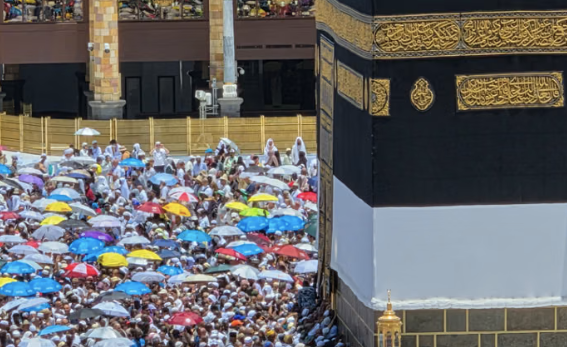
The Directorate General of Hajj and Umrah Economic Ecosystem Development (PE2HU) at the Ministry of Hajj and Umrah is continuing to strengthen strategic programmes to develop the hajj economic ecosystem. This move aims to optimise the economic benefits of organising the hajj and umrah pilgrimages for the national economy. Director General of PE2HU, Jaenal Effendi, stated that Indonesia has a significant opportunity to develop a hajj and umrah-based economy. He noted that the potential economic value from both sectors is estimated to reach around Rp80 trillion annually, necessitating management through an integrated ecosystem. “The development of the hajj economic ecosystem is an effort to ensure that the organisation of the hajj not only provides benefits in terms of worship services but also delivers added value to the national economy through increased involvement of domestic products, services, and business actors,” Jaenal said in a statement on Monday (6/7). One of the main focuses being pushed by the government is expanding the use of domestic products to meet the needs of hajj and umrah operations. This effort has been realised through the export of 28 types of Nusantara spices with a total volume of more than 300 tonnes, as well as the provision of approximately 3.1 million ready-to-eat meal packages for pilgrims. In the transport and tourism sector, the Directorate General is also developing the utilisation of empty flight capacity as a means to attract tourists from the Middle East to Indonesia. To date, the programme has served 1,723 passengers and will be further expanded through collaboration with various stakeholders. Furthermore, the strengthening of the hajj economic ecosystem is carried out through the development of upstream-to-downstream investment, including the refinement of procurement and distribution systems for Indonesian products intended for pilgrims. This step is expected to increase the involvement of national business actors in the hajj and umrah economic value chain, which is estimated to have a potential share of 30 to 40 percent. The development of a Hajj Economic Platform is also ongoing to support the digital integration of the ecosystem. Jaenal affirmed that the successful development of the hajj economic ecosystem requires close collaboration between the government, business actors, and all stakeholders. “The hajj economic ecosystem cannot be built by one party alone. Synergy among all stakeholders is key to strengthening the national supply chain, opening investment opportunities, enhancing the competitiveness of domestic products, and delivering sustainable economic benefits to the community,” Jaenal said. The Directorate General of PE2HU reiterated its commitment to accelerating the implementation of various strategic programmes for the development of the hajj economic ecosystem.