
Hajj Ihram Etiquette
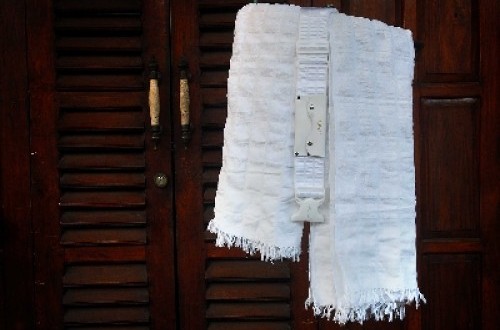
Ihram refers to being in a state of purity when performing Hajj or Umrah in the Holy Land of Makkah (Saudi Arabia). The visible sign is the attire worn by pilgrims upon entering the Haram area. The specific locations for donning ihram, known as miqat makani, were established during the time of Prophet Muhammad (PBUH).
The ihram attire itself is unremarkable. For male pilgrims, it consists of two white cloth pieces: one covering from the waist to the ankles (izar), and another for the upper body.
Al-Ghazali, known as Hujjatul Islam Abu Hamid Muhammad bin Muhammad bin Muhammad al-Ghazali ath-Thusi, explained in Ihya Ulum ad-Din that white is a colour favoured by Allah.
Although simple, performing ihram is better accompanied by certain acts. Before entering ihram, pilgrims are advised to take a bath with the intention of wearing ihram once they reach the miqat makani.
While cleansing, pilgrims should tidy facial hair, trim nails, and groom hair. After bathing, they may don the ihram garments, which must not be stitched.
During ihram, pilgrims must not wear perfume or scents. However, residual scent on the body is permissible. A hadith narrates that before entering ihram, traces of musk remained in the Prophet Muhammad’s (PBUH) hair, and he did not remove it (Bukhari and Muslim, from Aisha).