
Hajj Financial Management Bill Must Address Sustainability and Fairness of Hajj Funds
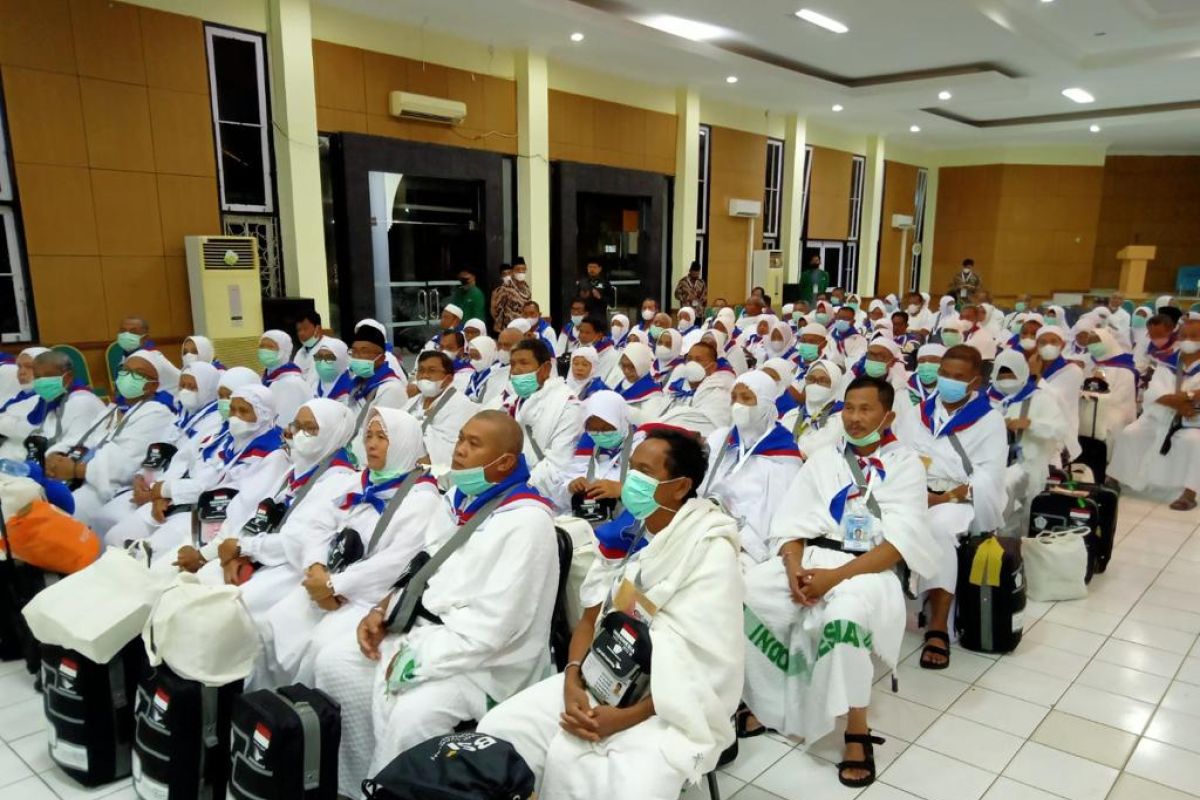
Jakarta (ANTARA) — The National Hajj Commission (Komnas Haji) has stressed that returns from the management of hajj funds must be distributed sustainably and fairly, safeguarding the fund’s long-term health while protecting the interests of both pilgrims due to depart and those on the waiting list.
Komnas Haji chairman Mustolih Siradj said the revision of the Hajj Financial Management Law offered an opportunity to review how returns managed by the Hajj Financial Management Agency (BPKH) are distributed, ensuring their use does not undermine the long-term sustainability of hajj finances.
“These returns must be managed sustainably. Their distribution should also be fairer and more proportionate between pilgrims departing in a given year and those still waiting to depart,” Mustolih Siradj said in a telephone interview from Jakarta on Monday.
He said the returns managed by BPKH amounted to around Rp12 trillion in 2025, up from about Rp11 trillion the previous year and around Rp10 trillion in the period before that.
However, he said, the returns have largely been used to help finance pilgrims departing in the current year, while those still on the waiting list receive a much smaller share.
Mustolih said departing pilgrims receive an average subsidy of around Rp33 million to Rp35 million each. By contrast, around 5.7 million prospective pilgrims still waiting to depart receive average returns of about Rp500,000 per person per year.
He warned that an disproportionate subsidy mechanism could create unfairness, particularly when funds managed for the benefit of all pilgrims are used mostly to finance those who depart earlier.
“Today’s subsidy policy must not end up undermining the sustainability of hajj finances and reducing the fund’s ability to benefit pilgrims in the future,” he said.
Mustolih therefore urged the revised law to set out a more proportionate distribution of returns, taking into account the interests of both departing pilgrims and those still waiting.
In addition to waiting time, he proposed that subsidies be tiered according to pilgrims’ financial capacity.
Pilgrims with greater financial means could receive more limited subsidies, while those on middle incomes would receive subsidies commensurate with their means.
Mustolih said this approach would be more appropriate than granting uniform subsidies without considering each pilgrim’s economic circumstances.
He hoped the revision of the Hajj Financial Management Law would strengthen the principles of prudence, fairness and sustainability in managing hajj funds.
That would ensure the returns are used not only to reduce the cost of departure for current pilgrims, but also preserved so they can benefit those who are still waiting.
In agreement with Mustolih, Jeje Zaenudin, chairman of the central board of the Islamic Union (PP PERSIS), said strengthening BPKH’s institutional capacity and governance was important to improve hajj financial management and deliver greater benefits to the Muslim community.
He called for BPKH’s authority to be expanded so it could optimise hajj financial management by taking in a wider range of funds, including payments made to settle hajj costs.
“Going forward, PERSIS urges BPKH to manage not only pilgrims’ initial deposits, but all hajj funds belonging to Indonesian pilgrims, including savings for the final hajj payment. This would enable the potential returns from managing hajj funds to be maximised,” he said.
Source: jawawa.id (https://jawawa.id/newsitem/hajj-financial-management-bill-must-address-sustainability-and-fairness-of-hajj-funds-1793015755)
Originally published by Antara (Indonesian) (https://www.antaranews.com/berita/5812715/ruu-pengelolaan-keuangan-haji-harus-jawab-keberlanjutan-dan-keadilan-dana-haji), translated from Indonesian