
Hajj Finance Bill opens wider scope for optimising value benefits
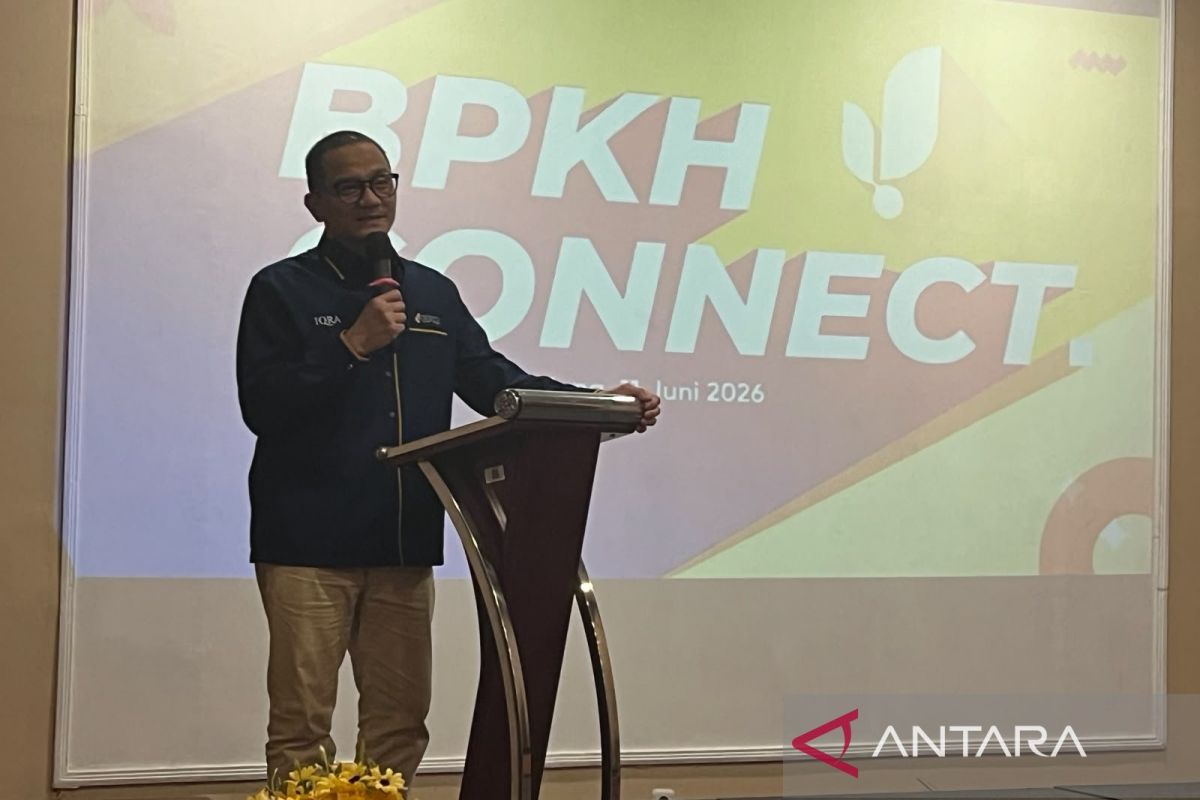
The Draft Law (RUU) on the Amendment to Law Number 34 of 2014 concerning Hajj Financial Management opens wider scope for optimising value benefits for millions of prospective hajj pilgrims.
Head of the BPKH Executing Agency, Fadlul Imansyah, stressed that regulatory changes are necessary so that hajj fund management can be more adaptive in facing economic developments, the service needs of pilgrims, and the increasingly complex challenges of organising the hajj pilgrimage.
“Hajj funds are a trust from the people that must be managed professionally, transparently, and sustainably. The revision of the Hajj Financial Management Law is an important step to strengthen the BPKH institution while optimising the benefits that can be felt directly by pilgrims,” Fadlul said in Bandung on Friday.
According to him, strengthening the regulation will provide a more solid foundation for BPKH in developing productive hajj fund management while still prioritising the principle of prudence and protection of pilgrims’ funds.
The revision of the Hajj Financial Management Law contains a number of strategic changes that have the potential to increase the effectiveness of national hajj fund management. One of these is the expansion of the investment space, allowing BPKH to invest more flexibly in sectors related to the hajj ecosystem and other productive instruments.
This step is expected to increase the value of benefits from the hajj funds, thereby providing a greater impact on the sustainability of hajj pilgrimage operations and the quality of services for pilgrims.
In addition, the revision also regulates the strengthening of risk mitigation through the establishment of capital reserves, reinforces supervisory and transparency aspects, and opens up opportunities for the creation of a more flexible Hajj Travel Cost (Bipih) payment scheme for prospective pilgrims.
Fadlul assessed that these various changes are an effort to ensure that hajj fund management becomes more modern, accountable, and oriented towards the long-term interests of pilgrims.
“We hope that this revision of the Law can become a new foundation for hajj fund management that is stronger, more adaptive, and capable of generating more optimal value benefits to support the quality of Indonesia’s hajj services,” he said.
Previously, Deputy Chairman of Commission VIII of the Indonesian House of Representatives and Chairman of the Hajj Finance Bill Working Committee, Abidin Fikri, stated that the regulatory revision is expected to strengthen the governance of hajj funds to be more transparent, accountable, and fair for pilgrims. Currently, the hajj funds managed by BPKH amount to Rp180 trillion. Therefore, regulatory strengthening is considered important to ensure management sustainability, maintain public trust, and increase the economic benefits that can be returned to Indonesian pilgrims.