
Hajj Costs for 2027: Balancing Affordability, Fairness for Pilgrims and the Sustainability of Hajj Funds
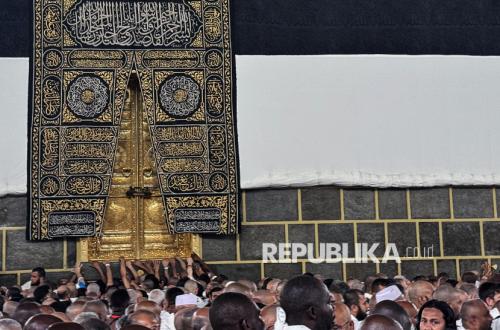
By Ade Marpudin, academic and chairman of the Indonesian Association of Islamic Economics Lecturers (IDESy)
REPUBLIKA.CO.ID — The setting of the Cost of Organising the Hajj (BPIH) for 1448 AH/2027 has once again prompted an important debate about the structure and sources of Hajj financing, fairness between generations of pilgrims, and the sustainability of Hajj fund management. The government and the House of Representatives (DPR RI) have set the average BPIH for 2027 at Rp98,466,351 per pilgrim.
Of this amount, the Hajj Travel Cost (Bipih), paid directly by pilgrims, is Rp54,648,825. Around Rp43,817,526 per pilgrim, or 44.50%, comes from the returns on Hajj funds managed by the Hajj Financial Management Agency (BPKH). The total returns allocated to organising the 2027 Hajj amount to approximately Rp8.83 trillion.
The fundamental issue to examine is not simply the size of the BPIH or the amount pilgrims must pay, but where these returns come from and their legal status in terms of ownership, benefit and intergenerational fairness.
In law, the returns do not come from a government subsidy in the sense of financing sourced from the state budget (APBN). They are generated by developing and optimising Hajj funds through placements and investments made by BPKH in accordance with the principles of sharia, prudence, benefit, non-profit operation, transparency and accountability. Law No. 34/2014 provides the legal basis for managing the accumulated Hajj funds, which have grown because of long waiting periods and the large sums deposited.
The term “Hajj subsidy” should therefore be used with care. In fiscal terms, these returns are not a government subsidy funded by taxes or the state budget. BPKH itself says that Hajj funds are not subsidised by the government, but are managed and optimised through investments and placements consistent with sharia principles. However, if “subsidy” is used in the economic sense—where pilgrims pay less than the actual cost of organising the Hajj—the returns do function economically as a cross-subsidy or as financial support that reduces the costs paid by departing pilgrims.
This raises a more fundamental issue. The principal used to generate the returns originally comes from accumulated Hajj funds, including pilgrims’ initial deposits of Rp25 million, which BPKH manages to generate returns. BPKH explains that pilgrims’ initial deposits are managed under a wakalah (agency) contract, while the returns generated can subsequently be used to support Hajj costs.
This issue is particularly important because Indonesia has a very large number of people on the Hajj waiting list and long waiting periods. Conceptually, the longer the wait, the greater the accumulation of funds under BPKH’s management. These funds are not simply idle money; they are financial resources with the potential to generate returns sustainably.
Source: jawawa.id (https://jawawa.id/newsitem/hajj-costs-for-2027-balancing-affordability-fairness-for-pilgrims-and-the-sustainability-of-hajj-funds-1791514321)
Originally published by Republika (https://analisis.republika.co.id/berita/tmll7d366/bpih-2027-antara-keterjangkauan-biaya-keadilan-jamaah-dan-keberlanjutan-dana-haji), translated from Indonesian