
Hajj 2026 Strategy: Appreciating Stakeholder Synergy and Preparing 10 Service Recommendations
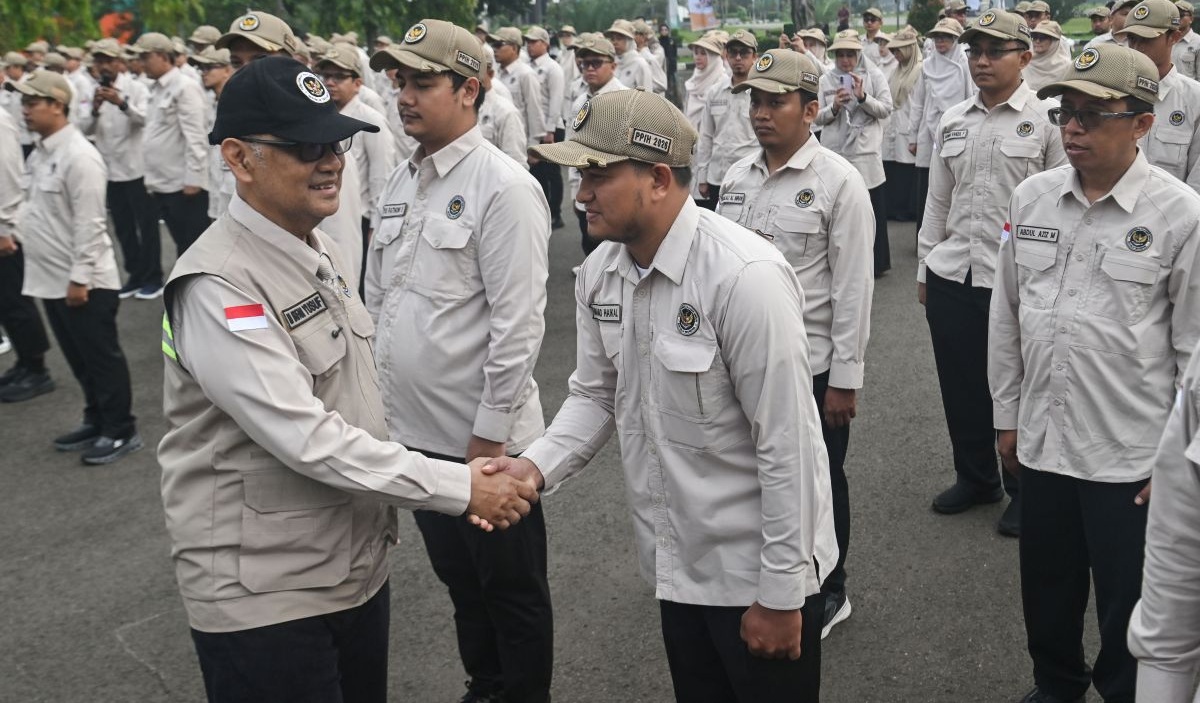
The Minister of Hajj and Umrah (Menhaj), Mochamad Irfan Yusuf, led the Exit Meeting for the 2026 Amirul Hajj, serving as a comprehensive evaluation of this year’s Hajj administration. During the meeting, the Minister expressed high appreciation for all stakeholders and formulated strategic steps for the upcoming Hajj season.
The Ministry assessed that the 2026 Hajj implementation showed a significant improvement trend compared to previous years. This success, according to the Minister, is the result of solid cross-sectoral synergy in serving pilgrims from diverse backgrounds. “Organising the Hajj this year was not easy. Our pilgrims come from all over Indonesia with various backgrounds and diversities. Alhamdulillah, with the cooperation of all parties, the process was carried out well,” stated the Minister in Jakarta.
He emphasised that the Ministry of Hajj and Umrah cannot work in isolation without the support of partners. Appreciation was extended to all parties involved, from the preparation and departure stages to the repatriation of pilgrims to the homeland.
The Chairman of the Indonesian Hajj Organising Committee (PPIH) in Saudi Arabia, Ian Heriyante, presented operational data showing positive performance. The absorption rate of Indonesia’s Hajj quota for 2026 reached 99.6 per cent, with only approximately 600 unfilled slots from the total allocation available.
Regarding the repatriation phase, Ian reported that 78 groups, or approximately 30,500 pilgrims, have returned to Indonesia. However, he noted critical areas for next year’s evaluation, particularly regarding the strengthening of coordination with ‘syarikah’ (service providers in Saudi Arabia). “We must focus on how the cooperation between Hajj officers and syarikah will function, including mitigation against Saudi policies regarding the appointment of syarikah as service partners,” Ian asserted.
In the forum, the Secretary of Amirul Hajj, Ilfi Nurdiana, formulated ten primary recommendations to improve service quality for the coming year. Overall, pilgrim satisfaction in 2026 was deemed to have improved, with a decrease in the number of complaints. Internal and external audits also indicated increased transparency and accountability in the financial and operational management of the Hajj.