
H5 Bird Flu Emerges in Australia, Expert Warns Indonesia to Strengthen Biosecurity
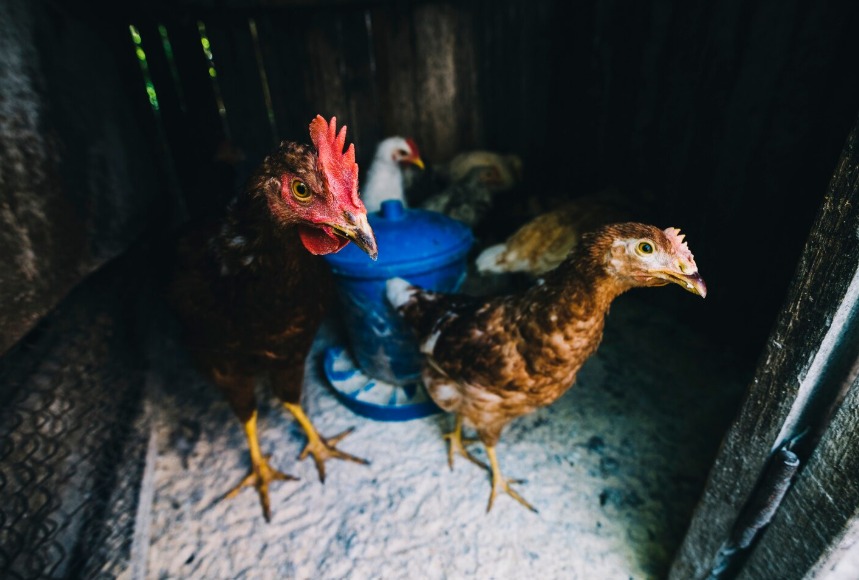
The first case of the deadly H5 avian influenza variant in wild birds has been discovered in Esperance, Western Australia. The emergence of the virus is a concern as it has the potential to disrupt Australia’s poultry industry, whilst also serving as a reminder for countries in the region, including Indonesia, to strengthen surveillance and biosecurity.
Ecological Genetics expert from IPB University, Prof Ronny Rachman Noor, explained that Australia’s concerns are well-founded because the poultry industry plays a major role in the economy and the community’s food needs. "Australia produces 1.3 million tonnes of chicken meat and 6 billion eggs annually, which is a major source of income worth AUD 7 billion and involves thousands of farmers. Chicken is the main source of protein in Australia, with consumption of 45 kg per person per year," said Prof Ronny in a statement on Wednesday (24/6).
Prior to the H5 finding in wild birds in 2026, Australia had faced outbreaks of other bird flu variants such as H7 on poultry farms. The government took swift action by culling millions of chickens to prevent the spread, although this step resulted in economic losses and disruption to the egg supply. "Bird flu in Australia affects exports, even though the country is not the largest poultry exporter. Disease-free status is important for maintaining international trust. Outbreaks cause partners to restrict exports, so the government and industry must invest in surveillance, quarantine, and outbreak simulation exercises," he explained.
Prof Ronny explained that H5 bird flu is a concern because it has a high mortality rate in poultry. The virus can cause 90–100 percent mortality in poultry within days, whilst also impacting egg production, broiler chickens, and increasing handling costs. "Vaccines for H5 are indeed available, but their use is limited because it is difficult to distinguish infected poultry from vaccinated poultry. The cost of mass vaccination is also high and there is a risk of the virus mutating and escaping vaccination. Therefore, the main strategy remains strict biosecurity and culling of infected poultry," said Prof Ronny.
Besides impacting the livestock sector, bird flu also poses a risk to human health. Symptoms in humans can start with fever, cough, sore throat, and conjunctivitis. In severe cases, the infection can develop into pneumonia, respiratory failure, and sepsis. Approximately 50% of H5N1 cases are fatal.
According to Prof Ronny, Indonesia needs to increase its vigilance because it is located on the migratory bird route from Australia and has previously experienced an H5N1 outbreak that caused losses in the poultry sector. "This caution is reasonable, considering Indonesia is on the migratory bird route from Australia and has experienced an H5N1 outbreak that caused losses in the poultry sector. This is an important concern," Prof Ronny clarified.
He stated that preventive measures need to be taken through strengthening wild bird surveillance, improving farm biosecurity, educating farmers about bird flu symptoms and rapid reporting, as well as regional coordination so that cross-border virus spread can be prevented. "Indonesia must strengthen surveillance of wild birds on migratory routes and improve biosecurity on poultry farms, including maintaining sanitation, controlling poultry traffic, and preparing emergency funds for compensation and culling of poultry if an outbreak occurs," he concluded.