
H+5 Return Flow: Health Post at Skouw Border Crossing Remains on Alert Until End of March
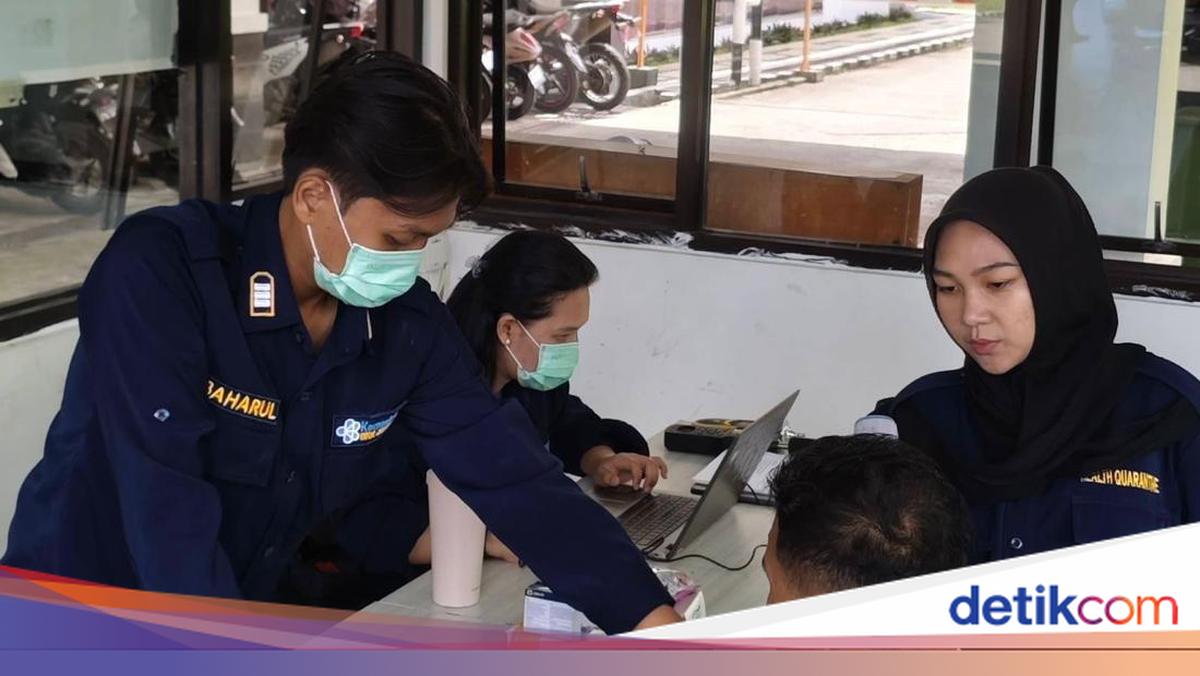
Entering the H+5 return flow of Eid al-Fitr 1447 Hijriah, the activity of people crossing at the Pos Lintas Batas Negara (PLBN) Skouw under the Indonesian National Border Management Agency (BNPP RI) is beginning to show a downward trend.
Nevertheless, the health service post that has been on standby since 14 March 2026 remains fully operational to ensure the safety and health of crossers in the Indonesia-Papua New Guinea border area until 30 March 2026. Based on observations by officers, the peak surge of crossers at PLBN Skouw occurred on 19 to 20 March 2026.
Meanwhile, entering the Eid return period, public mobility at PLBN Skouw is gradually returning to normal, but the health service post’s readiness is maintained as a precautionary measure. During the post’s operational period, all health services have run smoothly without any emergency cases requiring referral to further medical facilities.
The Head of PLBN Skouw, Ni Luh Puspa Jayaningsih, emphasised that the health post plays a strategic role in safeguarding health security in the border region, especially during the Eid homecoming and return momentum. According to her, the health post’s presence not only serves as basic medical care but also as the frontline in the cross-border health surveillance system.
“This health post not only serves the public but also acts as an early detection system for potential disease risks entering from outside the area. We have observed changes in disease patterns in the border community, so in the future, a more comprehensive and sustainable health approach is needed,” said Ni Luh in her statement on Sunday (29/3/2026).
She also added that the high public mobility during Eid must be balanced with health maintenance awareness. Based on field examination data, 62.5 percent of crossers utilising the post’s services were recorded as active smokers. This condition is deemed capable of worsening respiratory issues, especially amid the dominance of ISPA cases and the potential spread of droplet-based diseases.
Therefore, the public is urged to begin reducing smoking habits, using masks in crowded areas, maintaining immune strength, and not ignoring early disease symptoms. Utilisation of the health post’s services is also continuously encouraged as a preventive step through regular health checks and consultations.
Since its opening, the number of visits to the health post has increased gradually, peaking on H-2 Eid and rising again on H+2 Eid. Up to 26 March 2026, there were 48 visits recorded to the health post, with an average of four patients per day over 13 days of operation.
In terms of complaint types, Acute Respiratory Tract Infection (ISPA) was the most dominant case. This condition is estimated to be influenced by humid weather and the high mobility of crossers.
In addition to ISPA, officers have handled complaints of headaches due to fatigue and dehydration, fevers requiring observation, and non-communicable diseases such as hypertension and hypercholesterolaemia.
As part of early detection efforts, health officers have screened 7,480 crossers using thermal scanners. The examination results show that all crossers had body temperatures below the fever threshold.
With conditions remaining controlled up to H+5 Eid, health services at PLBN Skouw demonstrate optimal preparedness in supporting the smooth flow of Eid homecoming and return for 1447 Hijriah.
More than just temporary services, the presence of this health post affirms PLBN Skouw’s commitment, managed by the Indonesian National Border Management Agency (BNPP) RI, as the nation’s frontline in ensuring security, comfort, and public health in the Indonesia-Papua New Guinea border area.