
Gus Syaffak: Management of Free Nutritious Meal Kitchens Must Be Based on Beneficiaries
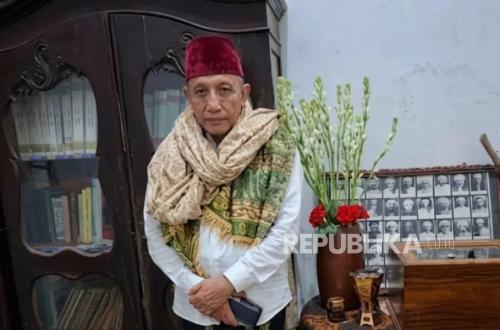
The caretaker of the Mojosari Islamic Boarding School in Nganjuk, KH Muhammad Musyaffak Fauzi, or Gus Syaffak, has highlighted the management of the Free Nutritious Meal (MBG) programme, specifically regarding the determination of kitchen locations for the Nutrition Fulfilment Service Units (SPPG). He believes that the development of MBG kitchens should be based on data and the needs of beneficiaries to ensure the programme truly reaches its target population.
Gus Syaffak stated that the MBG programme provides significant benefits to the community, including students (santri) from families with limited economic means. Therefore, the sustainability of the programme must be supported by management that ensures every beneficiary receives optimal service.
“Particularly for students from low-income backgrounds, a meal worth Rp10,000 is highly beneficial,” said Gus S_yaffak.
He cited the situation of students at the Mojosari Islamic Boarding School, who he believes are greatly assisted by the programme. Given that education and boarding costs are relatively affordable, the provision of nutritious meals has become a vital component for the students.
Consequently, Gus Syaffak argues that a beneficiary-based approach should be the foundation for determining both the number and location of MBG kitchens. Thus, the presence of kitchens should not be measured merely by the number of available sites, but by the ability of those kitchens to reach the people in need.
In addition to determining kitchen locations, Gus Syaffak highlighted the operational funding mechanism for the kitchens. He believes the funding scheme should consider the number of beneficiaries or the number of food portions served.
Based on his understanding, there is an operational allocation of approximately Rp6 million per day per kitchen, while the number of recipients served by each kitchen can vary.
“Regardless of how many are served, they still receive Rp6 million per day, whether it serves 500, 1,000, or 3,000 meal boxes,” he said.
According to Gus Syaffak, a portion-based approach would make budget usage more measurable and encourage kitchens to focus on the actual number of beneficiaries served. He noted that in the current scheme he understands, out of the Rp15,000 per meal box, approximately Rp10,000 is for the menu, Rp2,000 for kitchen rental, and Rp3,000 for operations.
“If the approach is based on the number of meal boxes, it provides better service to beneficiaries, and the number of kitchens becomes less of an issue,” he added.
Gus Syaffak also raised administrative issues that he believes are impacting the operation of MBG kitchens within the Mojosari Islamic Boarding School environment. He stated that the kitchen under his management had ceased operations after the Head of the SPPG resigned from their position as a government employee with work agreements (PPPK). Although the management has proposed a replacement, the process is time-consuming.
“To be honest, the bureaucracy within the National Nutrition Agency (BGN) is very complicated. My kitchen has been out of operation for two months. The issue is simply that the head of the kitchen has left,” he revealed.
To prevent service interruptions due to vacancies, Gus Syaffak proposed a temporary mechanism. For instance, a Head of SPPG from a nearby kitchen or a regional coordinator could be appointed as an interim officer until a permanent replacement is available.
“If the Head of SPPG leaves, I suggest that if there is no one available here, the Head of SPPG from the neighbouring kitchen could serve as the temporary head, or a sub-district coordinator could be appointed while waiting for a replacement,” he suggested.
He noted that such a transition mechanism is essential to ensure that administrative issues do not result in the cessation of nutritious meal services for beneficiaries.
Furthermore, Gus Syaffak addressed the plans for increasing the number of MBG kitchen sites. He assessed that the addition of kitchens should be based on real field requirements, particularly for the number of beneficiaries who are currently unserved. He mentioned that Nganjuk Regency should ideally have a number of kitchens adjusted to the distribution of beneficiaries. According to his calculations, the requirement would be around 90 kitchens, covering approximately two to three thousand beneficiaries per kitchen.
Source: jawawa.id (https://jawawa.id/newsitem/gus-syaffak-management-of-free-nutritious-meal-kitchens-must-be-based-on-beneficiaries-1790139489)
Originally published by Republika (https://khazanah.republika.co.id/berita/tlsv88430/gus-syaffak-tata-kelola-dapur-mbg-harus-berbasis-penerima-manfaat), translated from Indonesian