
Gus Salam Reveals Reason for Running for PBNU Chairmanship, Ordered by Esteemed Elder
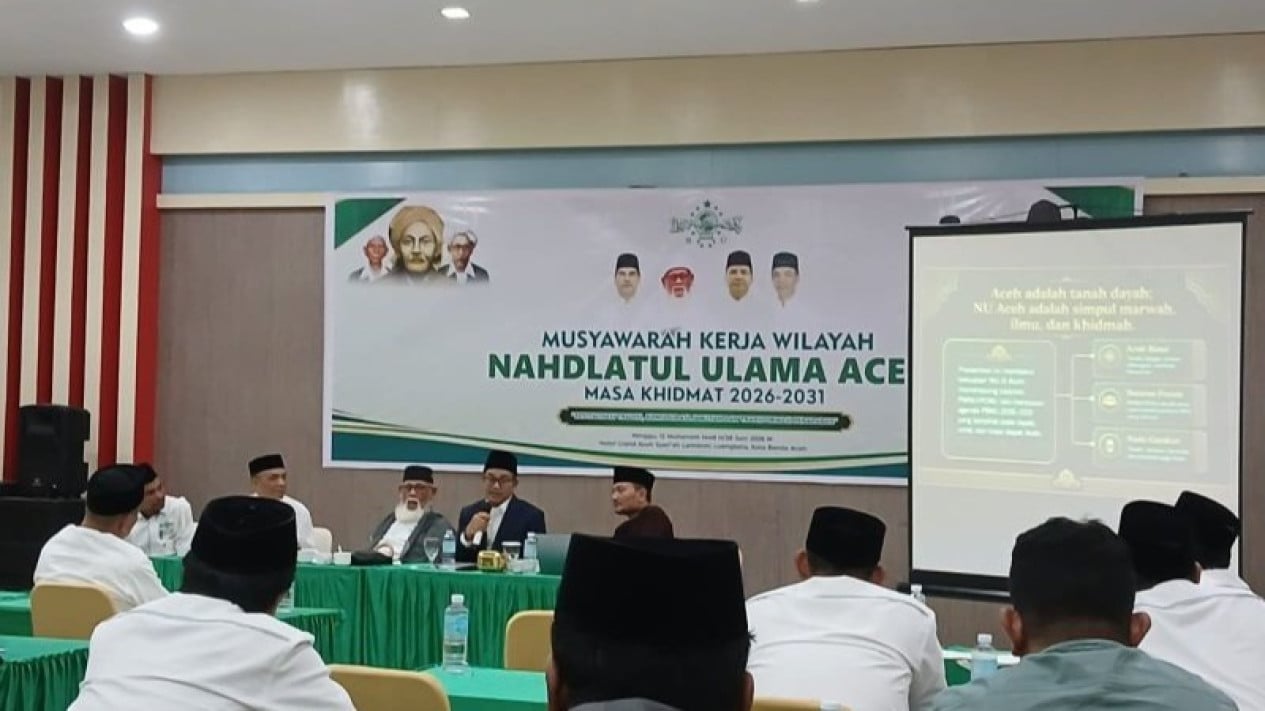
Jakarta – KH Abdussalam Shohib, familiarly known as Gus Salam, has revealed that his intention to run as a candidate for the chairmanship of the Nahdlatul Ulama Executive Board (PBNU) stems from a direct order from a senior figure. He stated that the elder in question is KH Nurul Huda Djazuli, along with other prominent NU figures. “The background to our endeavour to serve in PBNU at the upcoming Muktamar is primarily at the behest of KH Nurul Huda Djazuli,” Gus Salam said in Banda Aceh on Sunday. The statement was made during a gathering with PWNU Aceh administrators and branch representatives on the sidelines of the NU Aceh Regional Work Meeting in Banda Aceh. The National Conference of Alim Ulama and the Nahdlatul Ulama Grand Conference 2026 have agreed to hold the 35th NU Muktamar from 1 to 5 August 2026, although the location has yet to be determined. Gus Salam conveyed that KH Nurul Huda Djazuli desires the PBNU leadership to remain united, harmonious, and cohesive, noting that the organisation is a gathering place for ulama who serve as role models for the community. “He was deeply saddened and concerned seeing open conflict within the PBNU leadership,” he said. Consequently, during a recent meeting in Malang, KH Nurul Huda Djazuli directly instructed him to seek leadership within Nahdlatul Ulama. “You are a santri. You also serve in NU now. You must strive to become a leader at the upcoming Muktamar,” Gus Salam recounted the words of the ulama affectionately known as Kiai Da. Gus Salam explained that Kiai Da entrusted him with two crucial tasks: first, to make PBNU more harmonious, united, and capable of comprehensive reconciliation; and second, to ensure that NU’s governance truly upholds pesantren values, as these are the most visible characteristics of an organisation filled with ulama. “Those were the two main messages he conveyed to us, and it was not just once,” he said. Following the directive, Gus Salam admitted he reflected deeply on whether he was worthy of seeking the PBNU leadership, even doubting the command at first because he felt unworthy.