
Gus Lilur: Society Must Not Be Mere Spectators in the LPG to CNG Conversion
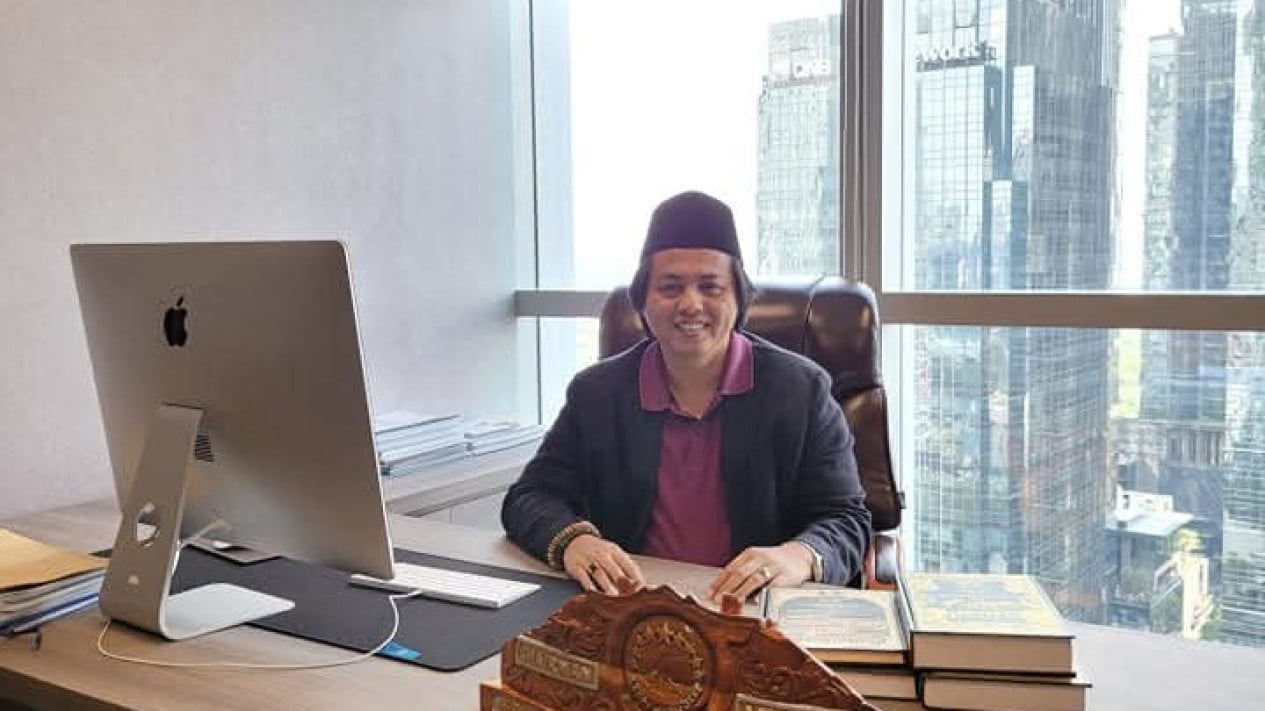
Jakarta, VIVA – Founder and Owner of Bandar Gas Madura (Bagasmara) HRM. Khalilur R Abdullah Sahlawiy, or Gus Lilur, has highlighted Indonesia’s second energy conversion, from Liquefied Petroleum Gas (LPG) to Compressed Natural Gas (CNG).
According to Gus Lilur, the national conversion from LPG to CNG, which will have positive impacts on Indonesia, carries even deeper meaning for Madura, a region rich in natural gas but where many residents still grapple with poverty.
“For Indonesia, this is a strategic agenda. But for Madura, this grand plan has far deeper significance. It is not just about energy. It is about justice. It is about the long history of an island rich in resources, yet its people still struggle with poverty,” Gus Lilur told reporters on Wednesday, 13 May 2026.
He stated that Madura’s natural wealth has flowed outwards for years, sustaining major industries in East Java, but has not been strong enough to elevate the economic dignity of Madura’s people themselves. Madura, he said, is not a resource-poor island. Madura is an island rich in gas.
“So far, Madura’s natural gas has been one of the main pillars of East Java’s energy needs. Frequently cited data indicates that Madura’s natural gas supplies around 70 percent of East Java’s industrial requirements, particularly from the Kangean area in Sumenep, via underwater pipeline networks,” he emphasised.
In this context, Gus Lilur said, Madura faces its most blatant irony: Madura is rich in gas, yet its people remain poor. The Suramadu Bridge, he noted, was once envisioned as a gateway to economic change for Madura. This bridge was expected to open new paths for trade, investment, human mobility, and balanced development.
“However, in the matter of gas, Suramadu has almost no meaning. Because Madura’s gas does not flow through that bridge. Madura’s gas does not first enter the kitchens of Madura’s people. Instead, the gas is piped underwater to industrial areas in East Java,” he explained.
“After reaching East Java, Madura’s gas enters larger distribution systems, industries, and energy logistics. It powers factories, industrial zones, power plants, petrochemicals, and economic conglomerates in Gresik, Sidoarjo, Surabaya, and other areas. In many ways, the greatest added value from Madura’s gas is enjoyed not by Madura’s people, but by industrial centres outside Madura,” he added.