
Gus Kikin Receives Full Support to Form Professional and Egalitarian PBNU Structure
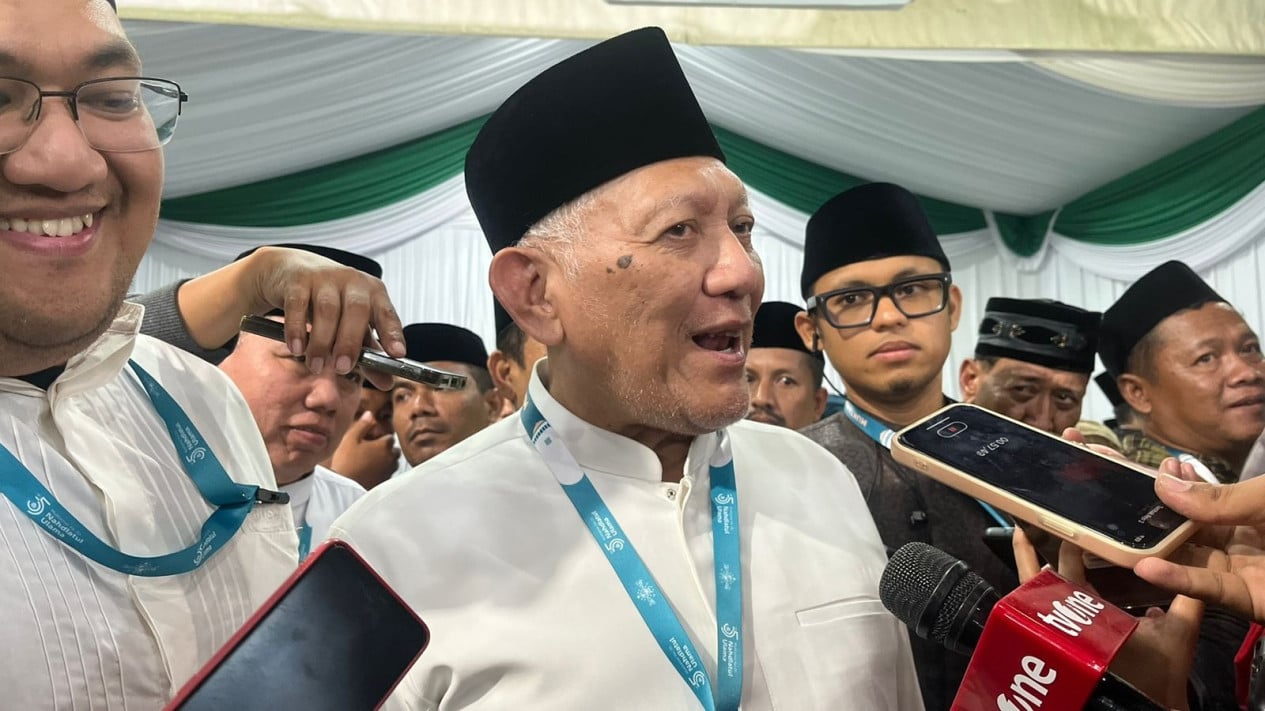
The dynamics of forming the Executive Board of Nahdlatul Ulama (PBNU) following the Muktamar require a mature leadership approach, based on capacity, and free from simplified political narratives.
Young NU figure, HRM. Khalilur R. Abdullah Sahlawiy, also known as Gus Lilur, has declared his full support for the elected Chairman of PBNU, Gus Kikin, to restructure the management professionally, egalitarianly, and representatively on a national scale.
Gus Lilur emphasised that the elected Chairman possesses both the prerogative right and the constitutional responsibility to transform leadership through a portfolio of competent cadres. The assessment of potential figures must be based on track records, managerial capacity, and integrity, rather than past stigmas or partisan political affiliations.
“The formation of the PBNU management must rely on indicators of professionalism and meritocracy. It is highly irrational if internal dynamics are diminished by narrow political prejudices. NU is a multi-sectoral entity that requires adaptive and proven leadership capacity,” Gus Lilress stated in Jakarta on Thursday, 10 September 2026.
Responding to the emergence of Lukman Edy’s name in the race for PBNU Secretary-General, Gus Lilur assessed that the individual’s track record in both the executive realm and organisational governance serves as an objective asset.
“The presence of figures with strong leadership portfolios, such as former ministers or secretaries-general of national organisations, is a rational way to utilise human capital. The synergy between the Chairman and his staff must be judged by work effectiveness and commitment to the NU khittah, not by subjective assumptions,” he added.
Alongside the principle of professionalism, Gus Lilur underlined the importance of maintaining geopolitical representation balance within the PBNU structure. As the largest religious community organisation in Indonesia, PBNU is required to reflect regional inclusivity from Sabang to Merauke.
“PBNU is an articulation of Indonesia’s diversity, not merely a representation of the East Java PWNU. The historicity and contribution of East Java are substantial, but PBNU’s governance must reflect the principle of national balance. The distribution of strategic leadership must accommodate the best cadres from Sumatra, Kalimantan, Sulawesi, Nusa Tenggara, Papua, and other regions,” Gus Lilur asserted.
According to him, inclusive regional representation will strengthen social legitimacy and the effectiveness of PBNU’s consolidation at the grassroots level nationwide.