
Gus Ipul Urges Regional Heads to Help Recruit Students for People's Schools
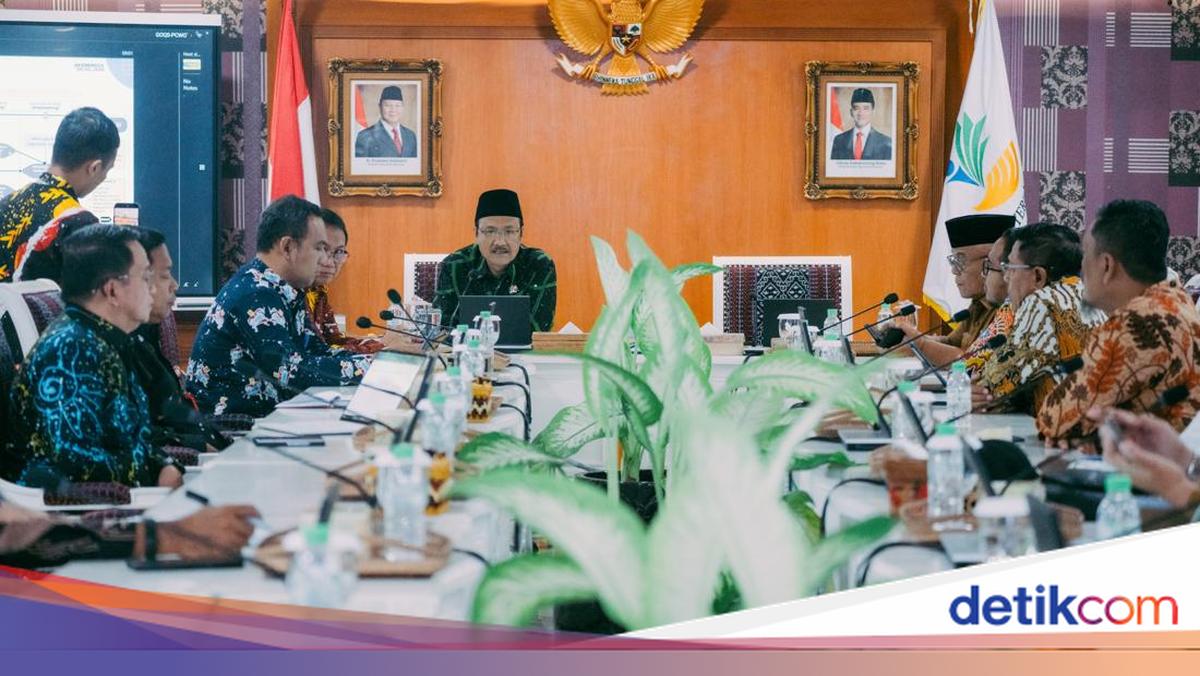
Indonesia’s Social Affairs Minister Saifullah Yusuf (Gus Ipul) has stressed the importance of local governments (Pemda) in ensuring the success of the People’s Schools programme as the primary strategy to break the chain of poverty through education. Gus Ipul emphasised that People’s Schools represent a key intervention for children from extremely poor families who have not yet attended school, have dropped out, or are at risk of dropping out. “People’s Schools are for those who have been invisible (the invisible people), even though they are around us. They cannot eat properly and cannot even afford to collect their diplomas,” said Gus Ipul in a written statement on Tuesday (28/4/2026). “This is what we must reach out to,” he added. This was conveyed during an audience with several regional heads, including the Regent of East Lombok Haerul Warisin, the Regent of Sumenep Achmad Fauzi Wongsojudo, the Regent of West Pasaman Yulianto, as well as the Deputy Regent of Pegunungan Bintang Arnold Nam, and other regional apparatus officials. Based on data from Indonesia’s Central Statistics Agency (BPS), the number of children not attending school, yet to attend school, or at risk of dropping out exceeds 4 million and continues to grow each year, particularly among junior high school graduates who do not proceed to senior high school. Gus Ipul explained that People’s Schools are part of the government’s third strategy in poverty alleviation, namely breaking the transmission of poverty through education. The other two strategies are reducing expenditure burdens through social assistance and increasing income through empowerment. To that end, he urged governors, regents, and mayors to actively support the programme, particularly in providing at least 7 hectares of land as a requirement for building the school with a boarding school concept. “The President’s target is for every district/city to have at least one People’s School with a permanent building. This year, the target is 30,000 students, and next year 100,000 students,” explained Gus Ipul. Gus Ipul asserted that local governments have a central role in the entire process, from providing land, proposing school heads from Civil Servants (ASN), student recruitment, to overseeing implementation. “If not addressed now, the number of out-of-school children will continue to increase. This is our collective responsibility,” Gus Ipul emphasised. On the other hand, Gus Ipul also highlighted the importance of improving social data as the foundation of policies. Gus Ipul exemplified that through the digitalisation of social assistance based on the National Socio-Economic Single Data (DTSEN), the government has significantly reduced errors in aid distribution. During the audience, several regions reported their progress and efforts. The West Pasaman Regency Government (Pemkab), represented by Regent Yulianto, reported that the land provision process is nearly complete and is targeted to soon enter the construction phase. Meanwhile, Klaten Regency Government through the Head of Social Services Puspo Enggar Hastuti conveyed the readiness of the land, even though it required reallocating other construction plans to support People’s Schools. From eastern Indonesia, Deputy Regent of Pegunungan Bintang Arnold Nam stated his region’s readiness to support the People’s Schools programme, including strengthening field social companions. As for Sumenep Regency, Regent Achmad Fauzi Wongsojudo attended with regional apparatus officials to ensure cross-sectoral readiness in supporting the programme.