
Gus Aam highlights Kiai Wahab Chasbullah's vital role in NU
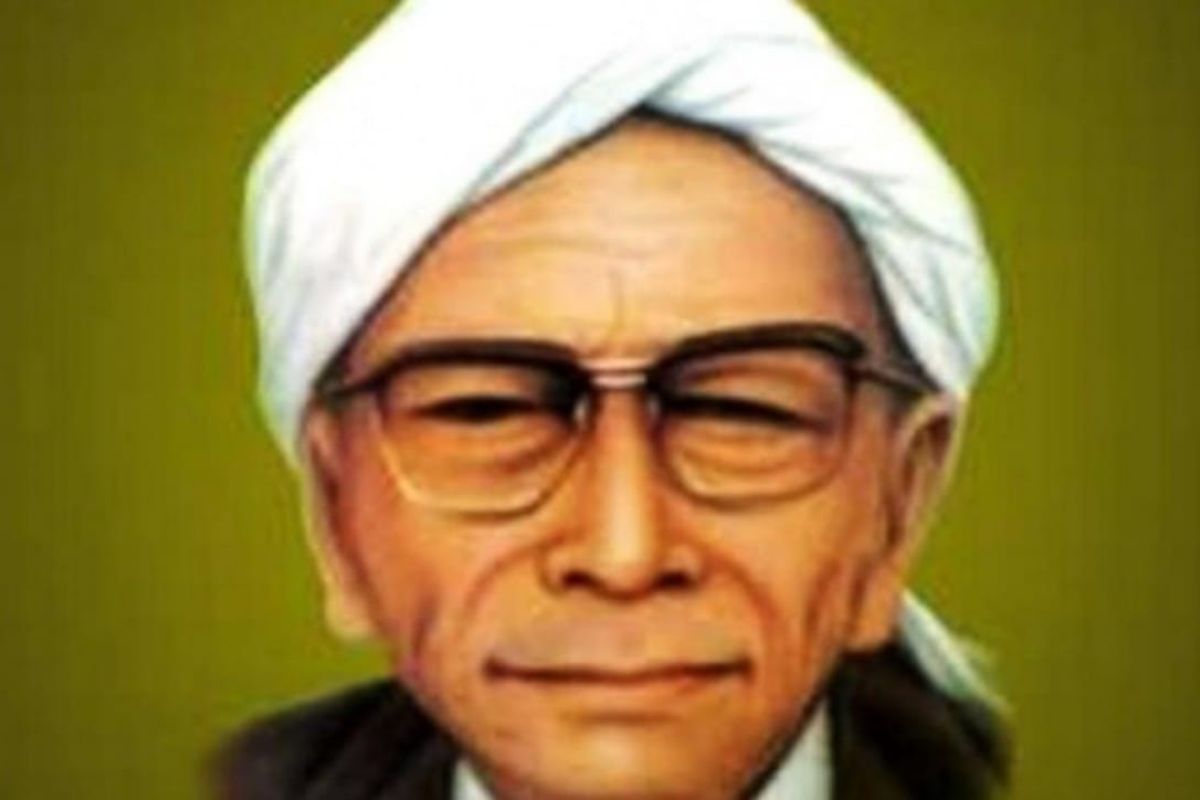
Tambakberas is hosting the Congress, so we want to hear directly from prospective NU chairmen about their views on Mbah Wahab.
Jombang (ANTARA) - K.H. Solachul Aam Wahib Wahab, a grandson of K.H. Abdul Wahab Chasbullah, has said that Kiai Wahab played an important role in the history of the founding and development of the Islamic organisation Nahdlatul Ulama (NU).
“Tambakberas is hosting the Congress, so we want to hear directly from prospective NU chairmen about their views on Mbah Wahab,” said Gus Aam in a statement received in Jombang on Friday.
According to Gus Aam, the 35th NU Congress is a momentum to revisit Mbah Wahab’s thinking, particularly in facing the dynamics of the organisation and national life.
He said Mbah Wahab is known not only as one of the founders of NU, but also as an ulama who was active in pesantren education, the national movement, politics, and the national struggle.
Mbah Wahab’s thought and work were the theme of a book review on his thinking and biography held at Pondok Pesantren Bahrul Ulum Tambakberas, Jombang, East Java, on Saturday (15/8).
K.H. Abdul Wahab Chasbullah was born in Tambakberas, Jombang, on 31 March 1888 to K.H. Hasbullah Said and Nyai Latifah. He grew up in a pesantren environment and received religious education from his family from an early age.
Mbah Wahab later deepened his knowledge at a number of pesantren, including Langitan, Mojosari, Tawangsari, Kademangan Bangkalan, Branggahan Kediri, and Tebuireng Jombang.
After that, he continued his education in Makkah and studied under a number of ulama, including Syekh Mahfudz at-Tirmasi and Syekh Ahmad Khatib al-Minangkabawi.
This educational experience shaped Mbah Wahab into an ulama who not only had expertise in fiqh and usul fiqh, but also paid attention to social, organisational, and national issues.
These abilities enabled Mbah Wahab to play an important role in NU’s journey. He was known for actively organising the masses, building networks, negotiating, and confronting various social and political issues of his time.
Because of his work, Mbah Wahab is often referred to as one of the driving forces of NU. He is also known as one of the figures who strengthened the idea of the connection between Islamic values and Indonesian nationhood.
K.H. Abdul Wahab Chasbullah died on 29 December 1971. His legacy includes not only scholarly traditions and pesantren networks, but also ideas about organisation, the national struggle, and the role of ulama in society and the state.
A number of figures were scheduled to attend the book review, including PBNU Chairman K.H. Yahya Cholil Staquf and East Java PWNU Chairman K.H. Abdul Hakim Mahfudz.
“We invited Gus Yahya; there has been no response from the others yet,” said Gus Aam.