
Guruh Soekarnoputra Passes Away, Leaving an Enduring Legacy as an Artistic Maestro
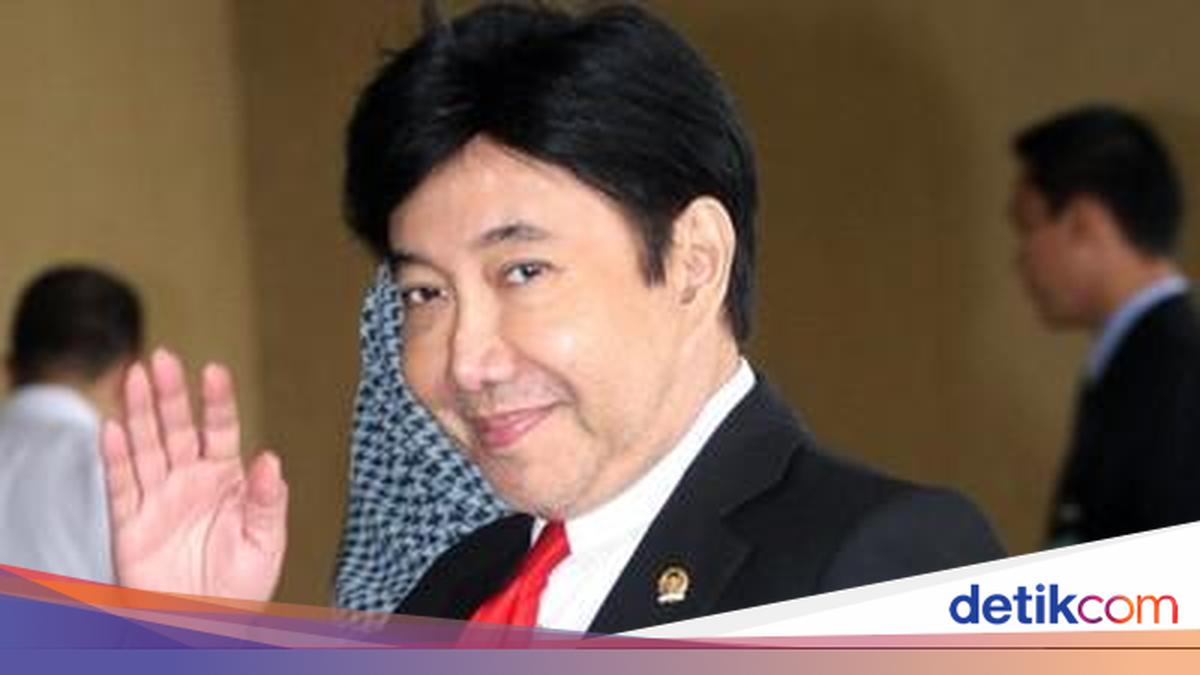
The Indonesian art world has lost one of the figures who, for decades, coloured the music, dance, and performance stages of the nation. Guruh Soekramoputra, the younger brother of the Chairperson of the PDI-P, Megawati Soekarnoputri, passed away on Saturday (26/9/2026).
Guruh leaves behind a long legacy as a versatile artist and politician. His works span from pop music and dance to colossal performances that blend Indonesian cultural roots with modern touches.
According to documents from the ANRI Guruh Sukarnoputra Archives, Muhammad Guruh Irianto Sukarno Putra, known as Guruh Soekarnoputra, was recognised as a multi-talented artist and Indonesian politician.
Guruh was born in the Merdeka Palace, Jakarta, on 13 January 1953. He was the youngest child of Indonesia’s first President, Sukarno, and Fatmawati.
Artistic Talent Developed from Childhood
Guruh’s love for the arts grew from an early age. Since toddlerhood, he studied various traditional dances, including Javanese, Sundanese, Balinese, and Minang.
While studying at the Cikini Primary School (SR), Guruh frequently performed on TVRI, playing the piano to accompany his classmates. He also performed with musical groups he had formed.
Guruh completed his education from primary to secondary school at Pergurument Cikini. Upon graduating primary school in 1965, he received the ‘Bintang Pelajar’ (Student Star) distinction due to his near-perfect grades.
Amidst his artistic journey, Guruh pursued studies for three years in the Department of Archaeology at the Universiteit van Amsterdam, Netherlands.
Mastering Dance and Music
Between 1969 and 1972, Guruh deepened his knowledge of Balinese and Javanese traditional dance and gamelan under several maestros, including I Wayan Diya, I Wayan Rindi, Ni Ketut Reneng, I Nyoman Kakul, I Gusti Kompyang Raka, Anak Agung Gde Ngurah Mandera, I Made Gerindem, and Raden Ayu Laksminto Rukmi.
He also deepened his musical knowledge under the guidance of Indonesian composers Mochtar Embut and Ismail Marzuki.
While studying in Amsterdam from 1973 to 1974, Guruh was an active member and instructor of Javanese/Balinese gamelan at the Tropen Museum. He also taught Balinese dance within the CREA student organisation at the Universiteit van Amsterdam.
Guruh Gipsy and Musical Experimentation
Upon returning from the Netherlands in 1975, Guruh experimented by blending Balinese gamelan with Western pop/rock music. This experimentation led to the ‘Guruh Gipsy’ album, supported by musicians such as Chrisye, Keenan Nasution, Roni Harahap, Oding Nasution, and Abadi Soesman.
The album is recorded as a milestone in Indonesian pop music due to its exploration of sound and lyrics containing social criticism.
His composition, ‘Renjana’, won the National Indonesian Popular Songwriting Festival in 1976 and represented Indonesia at the World Popular Song Festival in Tokyo, Japan. His song ‘Kembalikan Bali Padaku’, performed by Jopie Latul in 1987, also succeeded at national festivals and represented Indonesia in Tokyo.
Guruh composed numerous widely known songs, such as ‘Galih dan Ratna’, ‘Gita Cinta’, ‘Anak Jalanan’, ‘Lenggang Puspita’, ‘Sendiri’, and ‘Marlina’. Other notable works include ‘Kala Sang Surya Tenggelam’ performed by Chrisye, ‘Zamrud Khatulistiwa’, ‘Melati Suci’, and ‘Candu Asmara’.
Guruh also released a ‘campur sari’ album titled ‘Candu Asmara’ in 1998. Other albums include ‘Puspa Ragam Karya’ and ‘Gilang Indonesia Gemilang’.
From Music to Cinema
Guruh’s footprint extended beyond music. He served as a music director for several feature films, such as ‘Ali Topan Anak Jalanan’ (1977), ‘Gita Cinta dari SMA’ (1979), and ‘Jakarta’ (1988). In acting, Guruh portrayed the character Sunan Muria in the film ‘Wali Songo’ (1985).
Swara Maharddhika and Colossal Stages
Guruh later brought his artistic vision to the stage. He founded the youth organisation Swara Maharddhika on 27 March 1977 as a platform for teenage creativity and artistic experimentation, blending traditional Indonesian dance with modern Western dance.
In 1979, he established the Swara Maharddhika arts group and subsequently founded Gencar Semarak Perkasa (GSP) Production.
Through this group, numerous dance performances and colossal stage shows were produced, blending Indonesian culture with modern presentation. One such production was ‘Untukmu Indonesiaku!’.
Guruh Soekarnoputra’s works were grounded in the cultivation of traditional Indonesian arts and culture, packaged in a modern, communicative manner, and imbued with messages of nationalism and patriotism, in accordance with the mandate of his father, Bung Karno.
Now, the stage has lost one of its significant figures. Guruh Soekarnoputra has passed, but his works in music, dance, and performing arts will continue to be a part of Indonesia’s artistic and cultural journey.
Source: jawawa.id (https://jawawa.id/newsitem/guruh-soekarnoputra-passes-away-leaving-an-enduring-legacy-as-an-artistic-maestro-1790412721)
Originally published by detikBali (https://www.detik.com/bali/bali-bungah/d-8680253/guruh-soekarnoputra-wafat-jejak-sang-maestro-seni-yang-tak-lekang-zaman), translated from Indonesian