
Gundih Station Becomes Busier, Banyubiru Train Boosts Mobility and Economy of Grobogan Residents
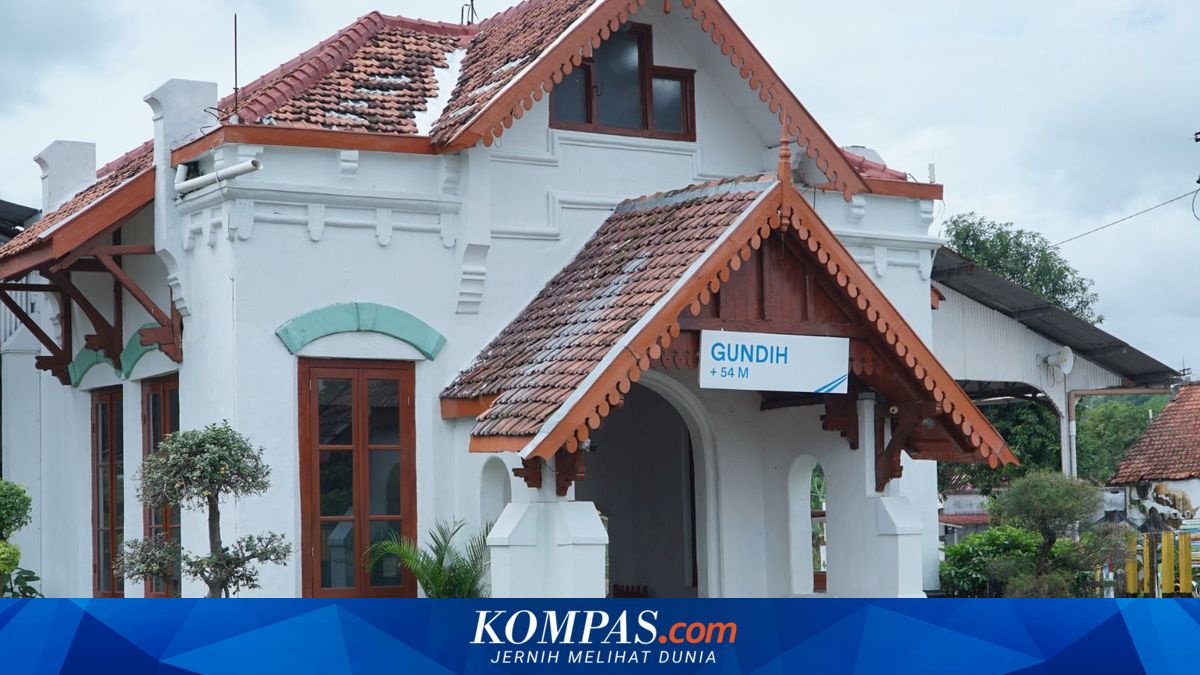
Public mobility continues to increase alongside the growing density of daily activities. Many people must travel for work, trade, school, and to access healthcare services. In this situation, trains remain a favourite mode of transport due to their predictable travel times, comfort, and connections linking various regions. On the Central Java line, Gundih Station has become one of the key points whose benefits are directly felt by the community. In the first quarter of 2026, 10,530 passengers boarded and 11,161 alighted at the station. This figure represents a 10.05% increase compared to the same period in 2025, indicating the rising dependence of the public on trains to support their daily activities. The majority work in the agriculture, trade, and services sectors, activities that require accessible and efficient transportation to support jobs and business mobility. Geographically, Gundih Station is located on the route connecting Semarang–Solo–Surabaya, making it a vital junction for journeys. Its role is even more pronounced with the introduction of the KA Banyubiru service, which operates between Semarang Tawang and Solo Balapan with an affordable fare of Rp 40,000 and a travel time of around two hours. This service provides a quick and reliable travel alternative for those wishing to journey between cities. Residents of Grobogan can now travel to Semarang or Solo for work, university, or medical treatment more easily. The travel convenience offered by KA Banyubiru is boosting economic activities in the Grobogan area and surrounding regions. Easier access is opening up business opportunities for small and medium enterprises, traders, and the tourism sector. Predictable travel times also help the public manage their daily activities more efficiently.