
Gulf States and Jordan Condemn Iranian Aggression
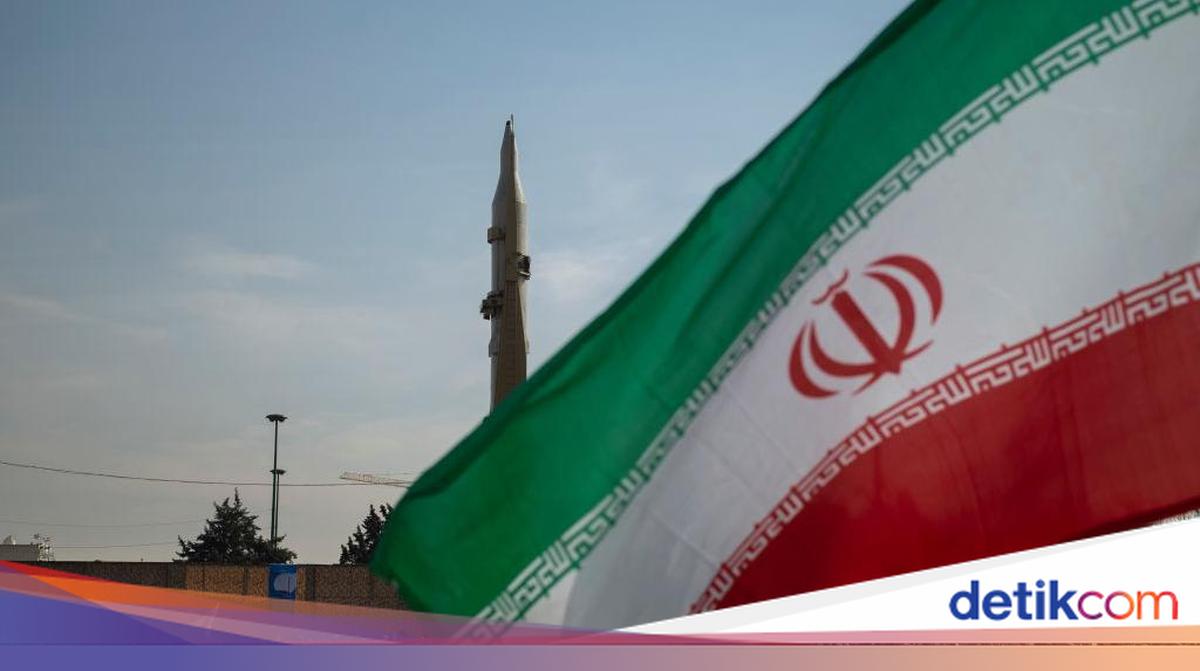
Six member states of the Gulf Cooperation Council (GCC) and Jordan have jointly condemned the “aggression” launched by Iran and its proxies against their territories. In a joint statement, the seven nations stated that Iranian attacks targeting their territories, citizens, and civilian infrastructure have continued unabated since 28 February 2026, including after Washington and Tehran signed a memorandum of understanding (MoU) on 17 June. They noted that the attacks have particularly escalated against Bahrain, Kuwait, and Jordan, targeting energy facilities, water desalination plants, ports, airports, and other civilian infrastructure.
The seven countries stressed that the continued attacks constitute “explicit acts of aggression” violating the UN Charter, international law, international humanitarian law, UN Security Council Resolution 2817 (2026), and Iran’s explicit commitments under the MoU, thereby posing a threat to international peace and security. The Gulf states and Jordan reaffirmed their inherent right to individual and collective self-defence under Article 51 of the UN Charter. They also stated their right to take all necessary legal measures to protect their sovereignty, territories, citizens, and vital infrastructure from the ongoing attacks.
The seven nations welcomed the decision by Iraqi Prime Minister Ali al-Zaidi to restrict weapons to the state until 30 September 2026. They expressed support for the decisive and effective measures taken by the Iraqi government to prevent pro-Iran militias from continuing their hostile operations against countries in the region. The statement also called on the UN Security Council to promptly adopt a resolution demanding an immediate cessation of Iran’s attacks, recognising the affected countries’ right to self-defence, and considering additional measures should the systematic attacks not cease.
The Gulf states and Jordan also praised the “courage, professionalism, and high readiness” of their armed forces in defending their sovereignty, security, stability, and the safety of their civilians. The seven nations further reaffirmed their commitment to freedom and safety of navigation in the Strait of Hormuz and Bab al-Mandeb, as well as to preserving regional security and stability. They expressed readiness to cooperate with all countries in the region and the International Maritime Organization (IMO) to establish permanent arrangements consistent with international law, the UN Convention on the Law of the Sea, state sovereignty, and good neighbourly relations.