
Guide to Safe Crypto Investment in Indonesia: Legality, Supervision, Taxes, and How to Avoid Scams
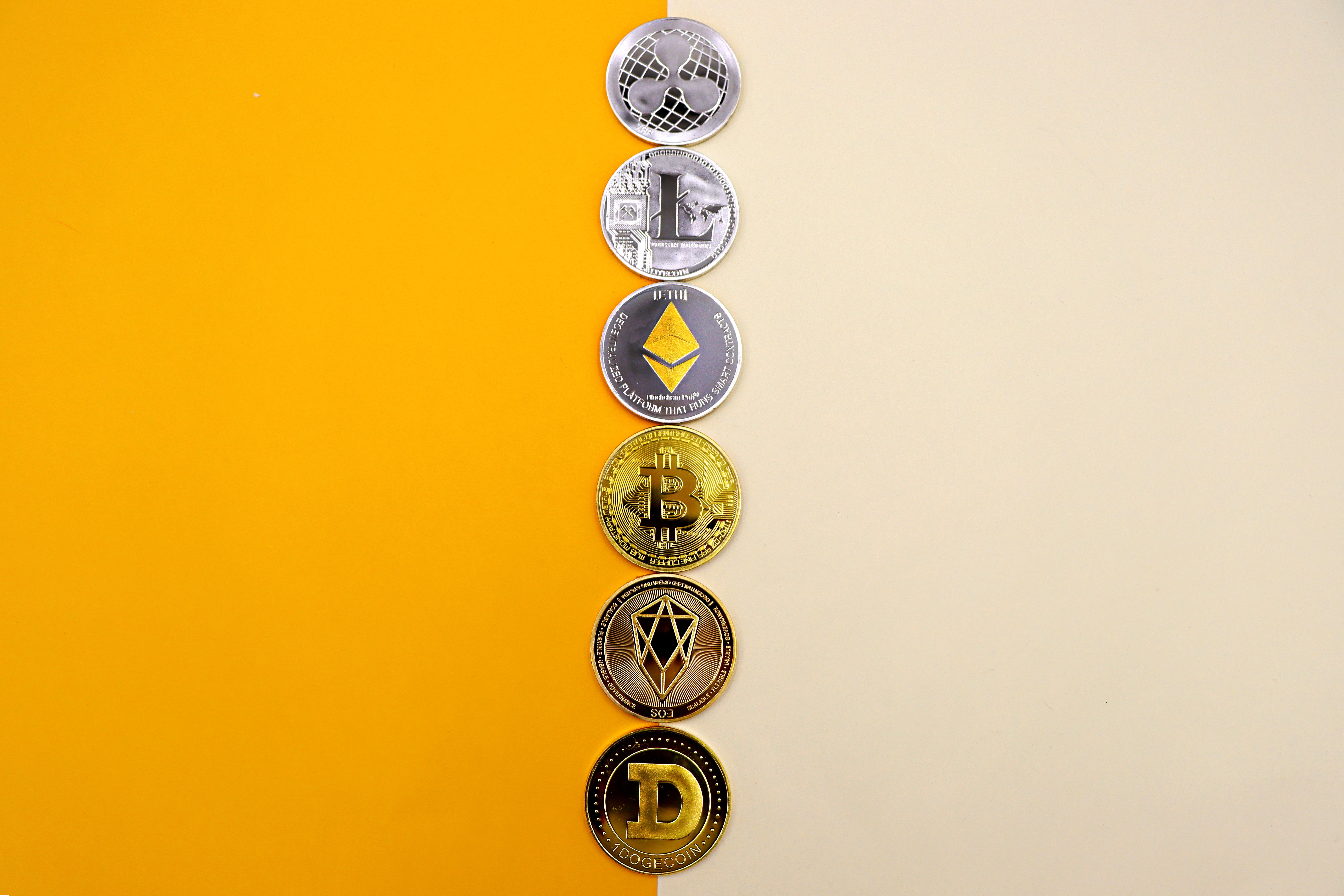
A complete guide to safe crypto investment in Indonesia: legality, OJK supervision, how to choose registered platforms, taxes, and how to avoid fraud.
Safe crypto investment in Indonesia is no longer a grey area full of speculation, thanks to official supervision by the Financial Services Authority (OJK). Since its legal status was clarified and supervisory authority shifted from Bappebti to OJK, the big question for investors is no longer merely “is crypto allowed?”, but rather “how can I invest in crypto safely, in accordance with applicable regulations, and without sacrificing the long-term perspective of my portfolio?”.
This guide summarises the five most important things investors need to understand, whether they are newly considering exposure to digital assets or are already transacting: the legal status of crypto, who supervises it today, how to choose truly registered platforms, applicable tax obligations, and how to recognise scams disguised as crypto investments.
As an initial note: crypto assets remain high-risk instruments, and their volatility is much greater than that of conventional investment instruments. This guide does not provide price predictions or promises of returns. Its purpose is purely educational, so that your investment decisions are based on an understanding of regulation and risk management, rather than FOMO pressure or the lure of instant profits.
Is Crypto Legal in Indonesia?
Yes, crypto assets are legally traded in Indonesia, with one important caveat: it is only legal if conducted through licensed providers and following the applicable regulatory framework. Since the enactment of Law No. 4 of 2023 on the Development and Strengthening of the Financial Sector (UU P2SK), crypto assets in Indonesia have been reclassified as part of digital financial assets, rather than commodities traded on futures exchanges as previously regulated by Bappebti.
This reclassification is not merely an administrative technicality. When crypto held commodity status, regulation leaned towards aspects of futures trading; after becoming digital financial assets under the OJK, the regulatory framework is closer to investor protection within the financial services sector, which includes capital requirements, risk governance, and stricter reporting obligations for providers. The primary framework is now contained in OJK Regulation (POJK) No. 27 of 2024 regarding the Implementation of Digital Financial Asset Trading, including Crypto Assets, which was then expanded via POJK No. 23 of 2025 to also regulate the trading of digital financial asset derivatives.
Before this reclassification, crypto was regulated through several Bappebti regulations, the primary focus of which was the mechanism of commodity futures trading. At that time, the agency under the Ministry of Trade regulated exchanges, clearing houses, and physical crypto asset traders, but with a focus on consumer protection that differed from the standards of the financial services sector. The shift to the OJK regime brings crypto assets under a regulatory umbrella equivalent to other financial service products familiar to investors, such as mutual funds and stocks.
For lay investors, the practical point is simple: crypto is not illegal, and investing in it is not an unlawful act, provided it is done through officially registered parties. On the contrary, the clearer the legal status and supervision, the greater the responsibility of the provider platforms towards user funds and data.
Who Supervises Crypto in Indonesia?
Until early 2025, the supervision of crypto assets was in the hands of Bappebti (Commodity Futures Trading Regulatory Agency) under the Ministry of Trade, as crypto’s status was still that of a futures commodity at that time. The official transition of regulatory and supervisory authority for crypto to the OJK began on 10 January 2025, following the mandate of the UU P2SK. This transition process was subsequently fully completed through a joint handover between Bappebti, the Ministry of Trade, OJK, and Bank Indonesia, marking the end of the supervisory transition period.
Since then, the OJK has become the primary regulator and supervisor for the implementation of crypto asset trading and other digital financial assets, while Bank Indonesia continues to supervise aspects related to the payment system. This means there are two state institutions with different but complementary mandates supervising this ecosystem, rather than a single institution focused on commodity futures trading.
This separation of mandates also reflects how many financial authorities worldwide approach crypto assets: one institution focuses on investor protection and market integrity (in Indonesia, this role is held by the OJK), while another ensures that digital assets do not disrupt the stability of the payment and monetary systems (the role of Bank Indonesia). For investors, this means that complaints regarding platforms, products, or suspected provider violations should be directed to the OJK, not to Bappebti, whose mandate no longer covers crypto assets.
Latest development: The OJK issued the Regulation of the Members of the Board of Commissioners (PADK) No. 3 of 2026 regarding the Implementation of Digital Financial Asset Trading, including Crypto Assets, promulgated on 30 June 2026 and becoming effective on 1 September 2026. It is important to understand: this PADK is not a new POJK, but rather a technical implementing regulation under POJK 27/2024 and POJK 23/2025, serving as operational guidelines to translate obligations at the POJK level into concrete procedures for providers. Once in effect, this PADK will also revoke certain provisions in the OJK Circular Letter No. 20/2024, which previously served as the technical reference.
For providers, PADK No. 3 of 2026 strengthens periodic reporting obligations, namely monthly, quarterly, and annual reports.
Source: jawawa.id (https://jawawa.id/newsitem/guide-to-safe-crypto-investment-in-indonesia-legality-supervision-taxes-and-how-to-avoid-scams-1789770048)
Originally published by bareksa.com (https://www.bareksa.com/berita/kripto/2026-09-18/panduan-investasi-kripto-aman-di-indonesia-legalitas-pengawasan-pajak-hingga-cara-hindari-scam), translated from Indonesian