
Guide to Minimising Stress in Sacrificial Animals: Unair Expert Tips
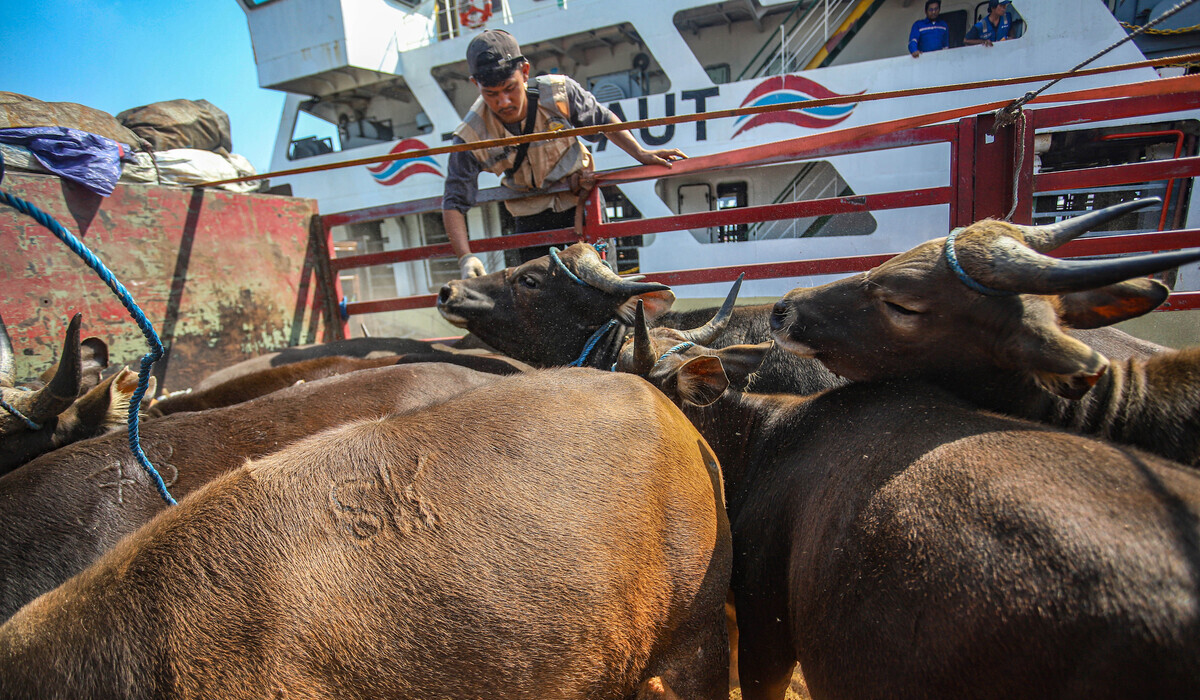
The slaughter of sacrificial animals is a sacred occasion eagerly awaited by Muslims ahead of Eid al-Adha. However, beyond the ritual aspect, meeting animal welfare standards is crucial for producing high-quality meat. Unair expert Drh Nusdianto Triakoso emphasised the importance of keeping animals in prime condition and free from stress.
During a statement in Surabaya on Tuesday (26 May), Dr Nus explained three critical phases determining the quality of the sacrifice: pre-slaughter, during slaughter, and post-slaughter handling.
According to Dr Nus, sacrificial animals should arrive at the holding site at least 24 hours before slaughter to adapt to the new environment and rest after long travel. The public is also advised to recognise visible health indicators: healthy animals are active, responsive, and have normal breathing patterns. Conversely, watch for signs of stress.
Stress in sacrificial animals is often triggered by rough handling during execution. Dr Nus recommended that holding areas be located away from slaughter zones to prevent other animals from hearing or seeing the process. Additionally, sharpening knives in front of the animals is strictly prohibited.
To minimise pain, Dr Nus introduced a gentle restraint technique: “If pulled correctly using the proper method, cattle will lie down gently as if sleeping, not thrown harshly,” he explained.
Post-slaughter, meat must be handled hygienically. Separating main meat from internal organs (offal) is vital to prevent bacterial contamination. Dr Nus categorised internal organs into two groups. Moreover, sacrifice committees must avoid disposing of blood and rumen waste into rivers or open areas to prevent disease spread. Proper management ensures meat meets ASUH principles: Safe, Healthy, Whole, and Halal (H-3).
The Bandung Food Security and Agriculture Agency (DKPP) confirmed strict health monitoring of sacrificial animals before and after slaughter. Karantina Jambi reported a surge in livestock traffic ahead of Eid al-Adha 1447 H, reaching 24,000 animals worth Rp11.1 billion. Health checks include physical condition assessments, such as eligibility of animals. Cattle consuming waste pose a high risk of heavy metals like lead in their meat. Healthy and suitable animals receive blue stickers, with checks including teeth condition, fur not dull, and clear eyes.