
Growth in Fashion Industry Boosts Demand for High-Quality Textile Raw Materials
Bandung (ANTARA) - The growth of Indonesia’s fashion industry, driven by the rapid expansion of digital trade, is increasing the need for high-quality textile raw material supplies. This condition is creating opportunities for supporting industries, including Bandung-based fabric shops, to meet the needs of an expanding business community.
According to Statista Market Insights, revenue from Indonesia’s fashion e-commerce market is projected to reach approximately US$10.35 billion by 2026 and is expected to continue growing until 2030. This trend reflects rising demand for fashion products as well as the development of its supporting industrial ecosystem.
As the number of MSMEs, garment manufacturers, and local brands utilising digital platforms to market their products increases, the demand for raw materials with consistent quality is also rising. In addition to design, consumers are increasingly paying attention to material comfort, fabric durability, and overall product quality.
Industry players believe that the presence of suppliers and Bandung fabric shops plays a vital role in maintaining supply chain stability. Stock availability, variety of fabric types, and smooth distribution are key factors helping businesses maintain quality while meeting market demand.
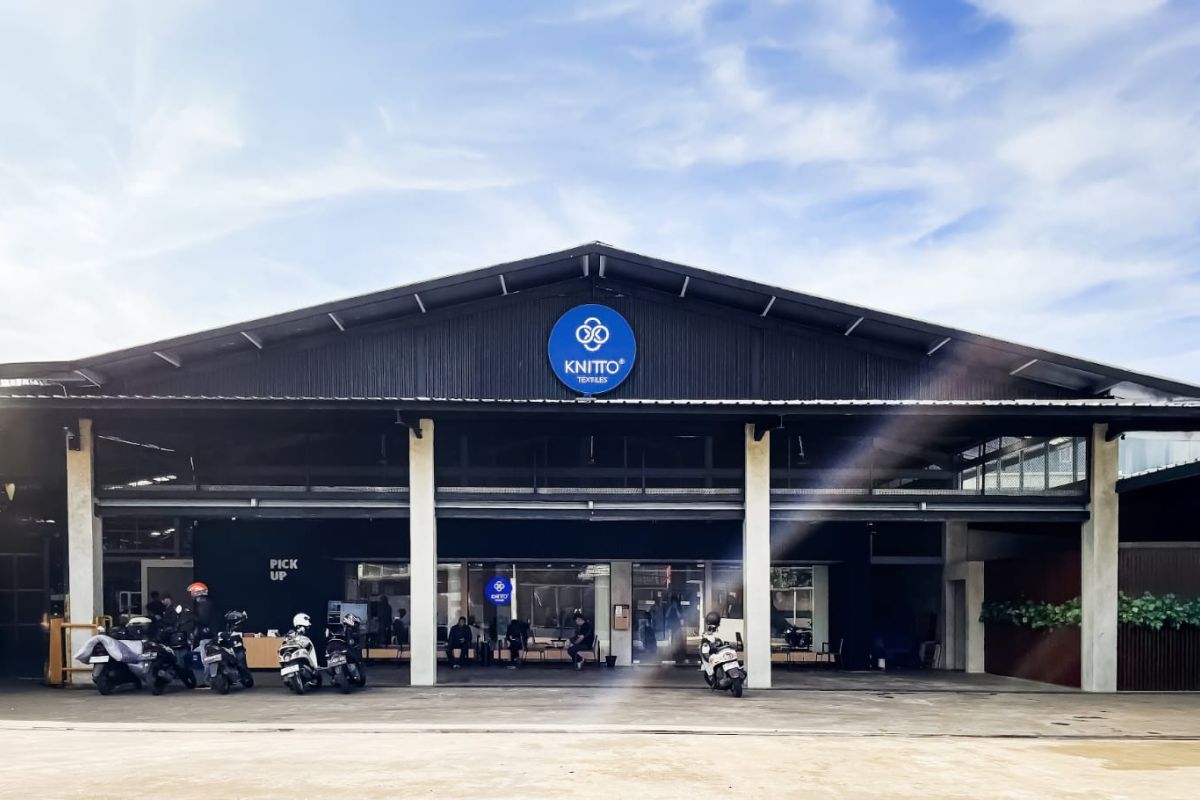
One industry player, Knitto Textiles, stated that it is continuously strengthening its production capacity to support the needs of the national fashion industry. The company, which possesses production facilities ranging from knitting and dyeing to finishing, provides various types of jersey fabrics such as Cotton Combed, Cotton Carded, CVC, Cotton Bamboo, and TENCEL™ Modal Blended with Cotton, used by MSMEs, garment manufacturers, and local brands across various regions.
The company noted that support for the industry is provided not only through the supply of raw materials but also through facilitating small-scale purchases, offering consultancy services, and ensuring distribution across various regions of Indonesia to reach businesses of diverse production scales.
With a positive outlook for the fashion industry, collaboration between business owners and raw material providers is considered a crucial factor in strengthening the competitiveness of local products and driving the sustainable growth of Indonesia’s fashion industry.