
Growing Price Disparities in Palm Oil Trigger Calls for Increased Oversight
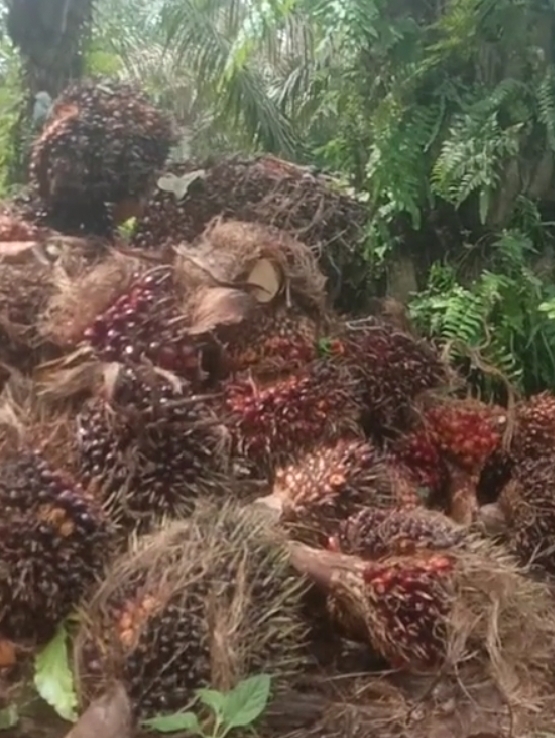
The price difference applied by several palm oil mills (PKS) in North Padang Lawas Regency, North Sumatra, has again sparked unrest among farmers. Amid hopes for improving palm commodity prices, some farmers are facing quite striking price disparities between companies. This situation is considered to potentially weaken farmers’ bargaining position and raise questions about the consistency of the implementation of price policies set by both local and central governments. Based on information circulating among farmers, one of the PKS in the North Padang Lawas Regency area on June 1, 2026, increased the price of palm fruit bunches (TBS) for agents by IDR 50 per kilogram, from IDR 2,740 to IDR 2,790 per kilogram. However, on the other hand, there are other companies that set the price at only IDR 2,350 per kilogram and a special price of IDR 2,430 per kilogram. This price difference of hundreds of rupiah per kilogram has become a concern because it directly affects farmers’ income, especially for those who sell large quantities of harvests each week. MUST COMPLY WITH PROVISIONS Deputy Chairman of the North Padang Lawas Regency DPRD, Samsul Bahri Daulay, emphasized that all palm oil companies are obliged to comply with the provisions set by the government to maintain price stability and protect farmers’ interests. “There must be synchronization in accordance with the directions of the Deputy Minister that have been conveyed previously. The provisions that have been made by the government must be implemented. If there are companies that do not comply with the rules, of course, there will be administrative consequences up to an evaluation of permits,” said Samsul to Media Indonesia, Tuesday (2/6). According to him, the government is not sitting idly by in dealing with this issue. The integrated team that has been formed is continuously monitoring the implementation of TBS trading in the field. “The integrated team has started to carry out supervision. The goal is to ensure that no party is harmed, both farmers and business actors. Everything must run according to the established corridor,” he said. Meanwhile, Chairman of the People’s Justice Youth Movement (GKUPR), Hepli Harahap, assessed that the price fluctuations that occurred indicated that the uniformity of policy implementation at the company level was still weak. According to him, the government’s program to organize palm oil trading and strengthen farmers’ welfare will be difficult to achieve if there are still significant price differences in the field. “We see that the current TBS price situation is still unstable. Farmers need certainty, not uncertainty. The programs created by the government are intended to create justice for all parties, both farmers, companies and other business actors,” he said. Hepli reminded that no party should take advantage of the situation to gain unilateral profits in the midst of the economic pressure still felt by farmers. “Don’t let anyone take advantage of the current conditions. The prices set by the local government must be a common guideline. Supervision must be tightened so that the policies made are truly felt by farmers,” he said. FARMER COMPLAINTS The issue of TBS price disparities has been one of the main complaints of palm oil farmers in North Padang Lawas in the past few weeks. They hope that the government can act more firmly against companies that do not comply with the price policies that have been set, so that business certainty and protection for farmers’ income can be created. With stricter supervision and compliance by all PKS with applicable regulations, farmers hope that the stability of TBS prices can be maintained and that significant price differences between companies in the area will no longer occur. (E-2)