
Grounding Pancasila Values: The Common Thread of 'Transforming Service to the Nation' – From Ideology to Public Service
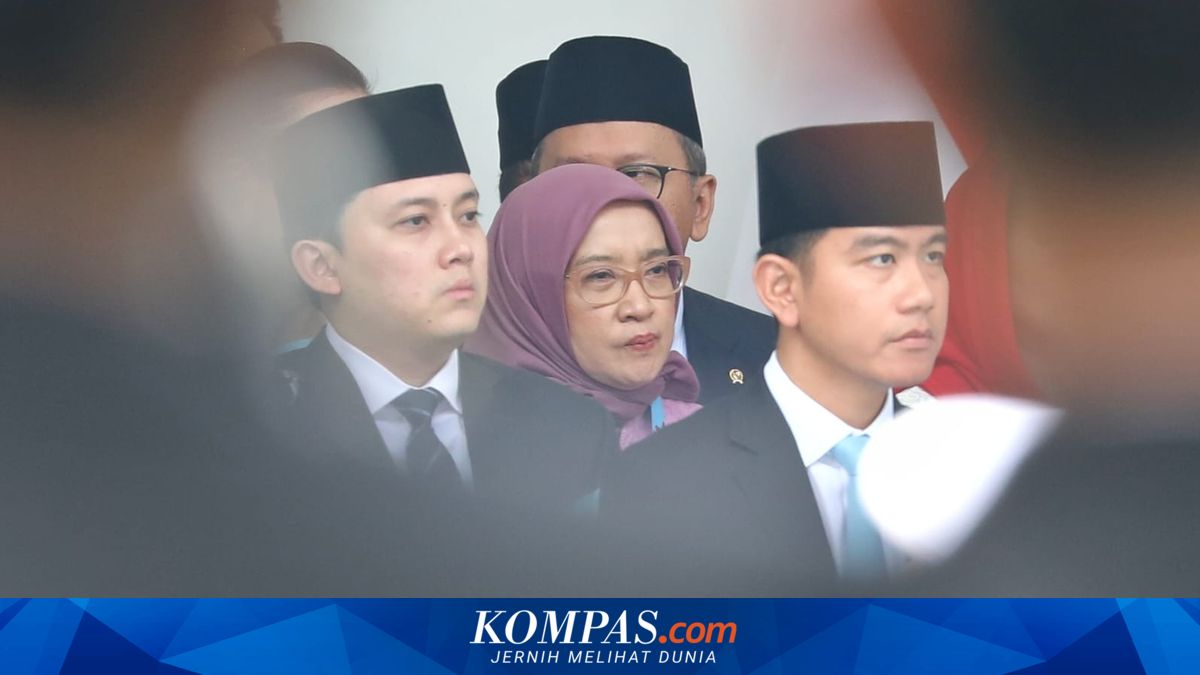
The anniversary of Pancasila’s birth should not be viewed merely as an annual ceremony.
The noble values embedded in Pancasila must be realised in every form of service to the public, including public service delivery.
Minister of Public Administration and Bureaucratic Reform (PANRB) Rini Widyantini has called on civil servants to adopt Pancasila as a guiding principle in delivering fair, inclusive, and beneficial services for all citizens.
“Make Pancasila a living value in every service to the nation. We must deliver fair, inclusive public policies and services that deliver tangible benefits for the people,” she said in a press release received by Kompas.com on Monday, 1 June 2026.
The statement was made by Rini during the Pancasila Day commemoration on Monday.
She noted these values align with the civil service BerAKHLAK core values: service-oriented, accountable, competent, harmonious, loyal, adaptable, and collaborative.
This year’s Pancasila Day commemoration bears the theme ‘Pancasila: Unifier of the Nation, Foundation of World Peace’.
The theme underscores that Pancasila’s values are not only relevant for preserving Indonesia’s unity but also serve as a foundation for addressing global challenges.
Pancasila is Indonesia’s foundational philosophy, formulated by the country’s first President, Sukarno.
Since then, Pancasila has served as the state’s foundation and a guiding principle for the nation to maintain unity amid diversity.
Pancasila’s values also underpin governance. Therefore, all public policies must be grounded in social justice, consultation, and the broader public interest to prevent the nation from losing its identity.
The values of consultation and consensus, for instance, are reflected in public policy-making that involves diverse societal elements.
When setting service standards, government agencies must engage various societal groups, from academics and NGOs to vulnerable communities such as people with disabilities.