
Green Wheels, Prudent Spending
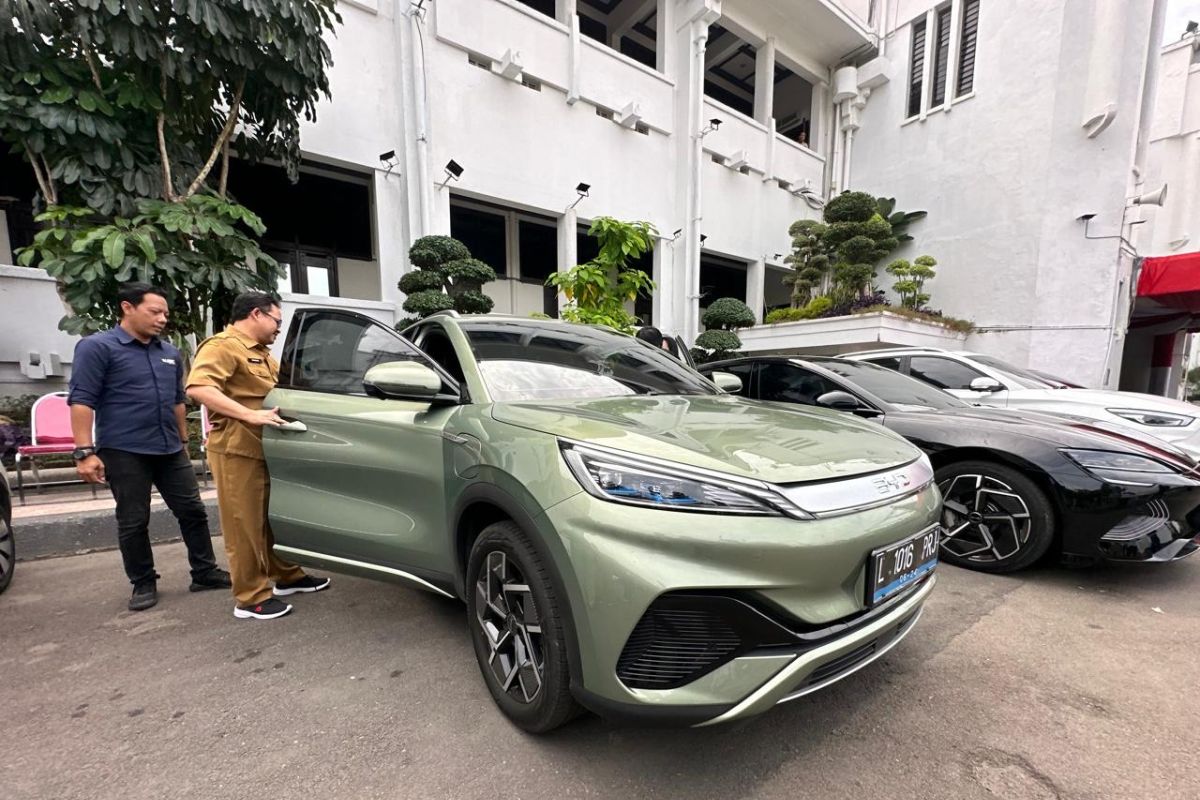
Electric vehicles could be part of the solution. However, the most efficient vehicle remains the one that only moves when absolutely necessary.
Surabaya (ANTARA) - In the courtyards of government offices, this change may not always be loud. The sound of petrol engines typically heard before regional heads depart for work is now gradually being replaced by the quiet hum of electric motors.
This transition is currently underway in the city of Surabaya, East Java. Local government official vehicles are being shifted towards a mobility pattern that is more energy-efficient and measured in terms of budget usage.
The change is not merely about replacing internal combustion engines with batteries, but is part of an effort to restructure how government vehicles are utilised for work and public service.
The Surabaya City Government has ensured that the use of electric cars as official vehicles will continue through 2027. Currently, 42 units are in use via a leasing scheme, including the vehicle used by the Mayor of Surabaya, Eri Cahyadi.
This policy is positioned as part of budget efficiency and a reduction in dependency on fossil fuels.
The step is more than just a change in vehicle type. Behind those four wheels without exhaust noise lies a more important question: Do electric vehicles truly make government spending more economical, services more effective, and the city environment healthier?
This question is vital because official vehicles are purchased or leased using public funds. The measure of success is not solely whether a car can move without petrol, but whether every rupiah spent results in better services for the citizens.
Surabaya has actually been testing this scheme for some time. In 2024, the city government mentioned preparing approximately Rp6 billion for 70 electric vehicles and chose a leasing scheme because maintenance costs and the risk of vehicle depreciation can be transferred to the provider.
One year later, the procurement of 42 units reportedly utilises BYD M6 vehicles with a monthly lease budget of Rp13 million per unit for a one-year contract. At this rental rate, the 42 vehicles equate to approximately Rp546 million per month, or Rp6.552 billion per year.
These figures do not necessarily mean the policy is wasteful, as the contract structure, maintenance coverage, insurance, and provider services must be examined before being compared to the purchase of conventional vehicles.
However, a simple calculation shows one thing: the claim that electric vehicles are cheaper cannot stop at the rental price alone.
The government needs to calculate the total cost of ownership or usage comprehensively. Components include leasing or vehicle depreciation, electricity for charging, the construction and maintenance of charging stations, periodic servicing, tyres, insurance, vehicle downtime, and the risks associated with technology and batteries.